Indonesia can fight fires. It must govern climate risk, too
The 2026 forest and land fires reveal a paradox: Indonesia can mobilize after ignition, but climate justice depends on institutions that govern risk before smoke appears.
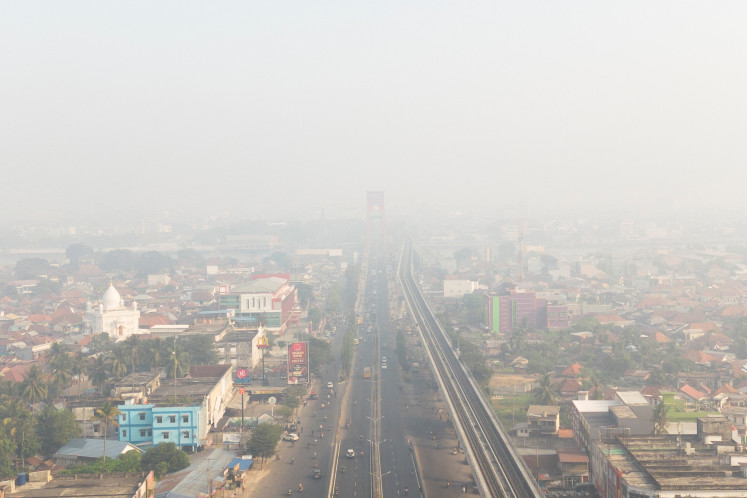
Severe forest and land fires have once again gripped Indonesia during a harsh dry season. The Meteorology, Climatology and Geophysics Agency (BMKG) reported peak El Niño intensity as of August 24, with the National Disaster Mitigation Agency (BNPB) logging 1,487 hotspots in Kalimantan alone. The situation is alarming, but it highlights a deeper issue: Indonesia can mobilize resources to extinguish fires, but the question remains why a predictable climate hazard continues to cause national crises.
This perspective avoids an analytical trap: while climate change does increase the odds and severity of fires, governance determines vulnerability. Indonesian government agencies have recently deployed aircraft, ground crews, and extensive personnel across the region. However, the capacity to act exists only after the smoke has cleared.
The real problem lies in the timing of state intervention. When the smoke appears, the government flexes its muscle, deploying aircraft, ground crews, and weather modification operations. Yet, during the quieter months and years, when critical decisions about zoning, water management, restoration funding, and regulatory enforcement are made, the state often falters.
The intersection of wildfire and climate justice is evident here. Climate justice is not just about providing relief to those affected by disasters. It's about who holds the power to create risk, who has the resources to mitigate it, and who ultimately suffers when prevention fails. A 2020 study in Global Environmental Change reviewed 60 peat-fire interventions across Indonesia and found that many relied heavily on rigid regulatory measures while neglecting to target high-risk periods and major landholders.
The conclusion is stark: governments can create endless regulations without altering the conditions that fuel fires.
Written by urgent.news from The Jakarta Post's reporting — not their text. Machine-written — may contain errors; check the original before relying on it.
Also reported by 1 other outlet
- Indonesia can fight fires. It must govern climate risk, too thejakartapost.com