Himalayan glacier collapse hits crucial China-Nepal trade route as casualties mount
The catastrophic flash floods and mudslide that devastated the Gyirong Port crossing along the China-Nepal border on Wednesday have dealt a heavy blow to China-Nepal trade and imperilled Kathmandu’s push to cut reliance on Indian transit routes. However, if Beijing and Kathmandu are to proceed with ambitious infrastructure projects, they are expected to take environmental factors into…
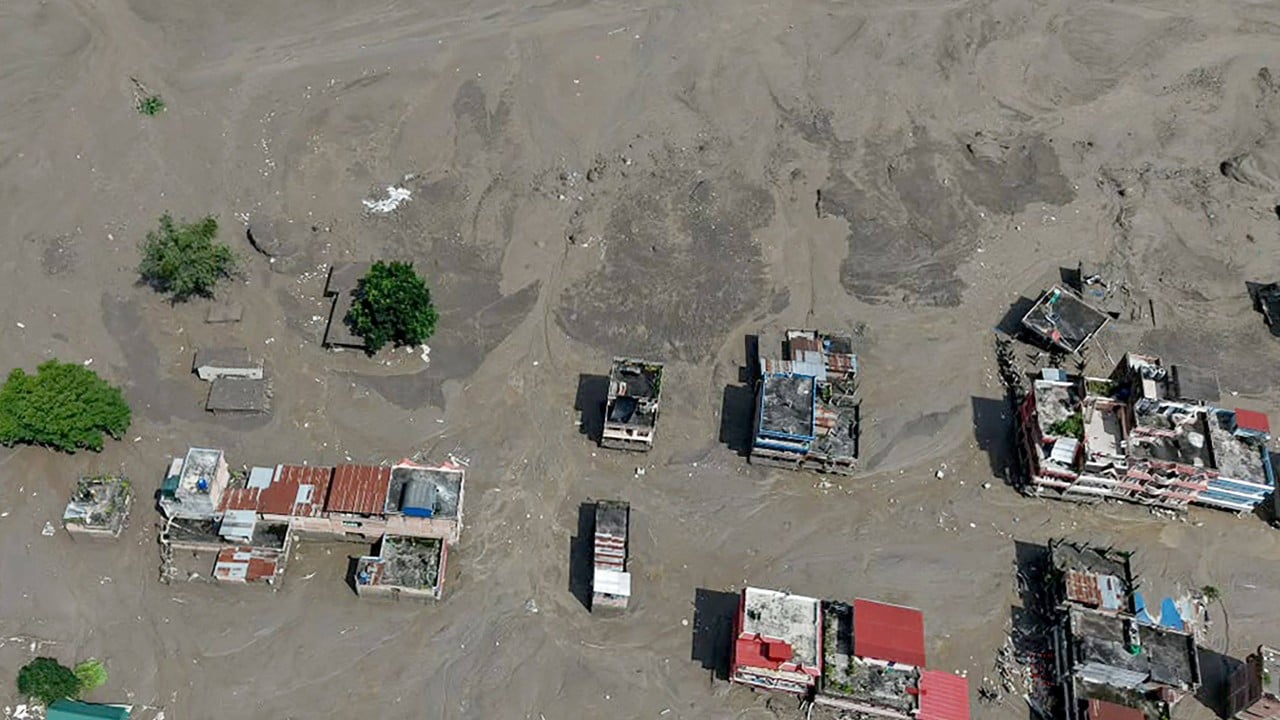
A catastrophic flash flood and mudslide struck the Gyirong Port crossing along the China-Nepal border on Wednesday, devastating the strategic link between the two nations and causing significant casualties. Chinese officials confirmed three deaths, while Nepal reported over 900 missing, including 517 foreigners, with their official death toll standing at 359 as of Thursday evening.
The disaster triggered by a high-altitude glacier collapse in Nepal rapidly evolved into a high-velocity debris flow that swept down the channel at high speed, engulfing the port and surging downstream into Nepali territory. Gyirong Port, which handled nearly 30% of total trade volume between the two countries in 2024, has been severely impacted, and it serves as a critical overland entry point for Indian pilgrims travelling to Tibet.
Some 280 Indian pilgrims remain missing following the disaster. The loss of this vital trade route threatens to hamper China-Nepal commerce, which remains heavily one-sided with Nepal importing far more from China than it exports. For Nepal, which has limited economic alternatives, connectivity with China is crucial for transforming the country from a landlocked state into a land-linked one.
The disaster has prompted both nations to reconsider environmental factors and adjust construction methods for infrastructure projects, including the proposed China-Nepal railway. The railway aims to reduce transit times and freight costs, but the challenging geological conditions along the route necessitate the use of tunnels, making the project a long-term endeavor.
The disaster also highlights the strategic significance of the China-Nepal border and the geopolitical implications of reducing India's transit monopoly over Nepal.
Written by urgent.news from South China Morning Post's reporting — not their text. Machine-written — may contain errors; check the original before relying on it.