Ghana targets 2029 completion of 1,200MW combined-cycle power project
By Mabel Adorkor Annang Government’s planned 1,200-megawatt combined-cycle thermal power generation project is expected to be completed by 2029. Speaking at the 2026 Future of Energy Conference, the Minister of Energy and Green Transition, Dr. John Abdulai Jinapor, said the project will provide Ghana with additional generation capacity and strengthen the stability of national power […]
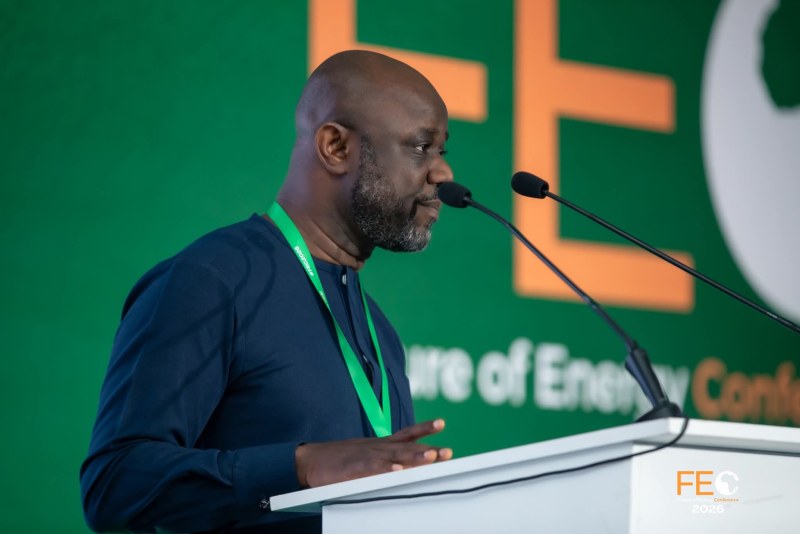
Ghana's ambitious plan to complete a 1,200-megawatt combined-cycle thermal power generation project by 2029 was discussed at the 2026 Future of Energy Conference. Minister for Energy and Green Transition, Dr. John Abdulai Jinapor, stated during his speech that the project aims to bolster the nation's power supply stability and reduce the country's reliance on costly power arrangements. He explained that the project's completion will decrease electricity generation costs, contributing to significant savings in the long run.
Dr. Jinapor emphasized the importance of innovative financing mechanisms to lower the cost of capital for energy projects. He highlighted that high financing costs continue to hinder Africa's renewable energy potential and industrial competitiveness. Currently, Ghana enjoys 90% electricity access, with a goal to achieve universal access by 2030.
Ben Boakye, Executive Director of ACEP, advocated for alternative approaches to reducing energy costs, such as optimizing contracts, financing arrangements, risk allocation, and leveraging existing infrastructure. He cautioned against overestimating the risks associated with investing in African energy markets, advocating for better data, stronger institutions, and more rigorous risk assessments.
The 2026 Future of Energy Conference aimed to address structural factors driving energy costs, infrastructure gaps, and industrial competitiveness on the continent. It also focused on Africa's potential to transition from exporting raw materials to capturing higher-value segments of global supply chains, leveraging its abundant mineral and renewable energy resources.
Written by urgent.news from GBC Ghana's reporting — not their text. Machine-written — may contain errors; check the original before relying on it.