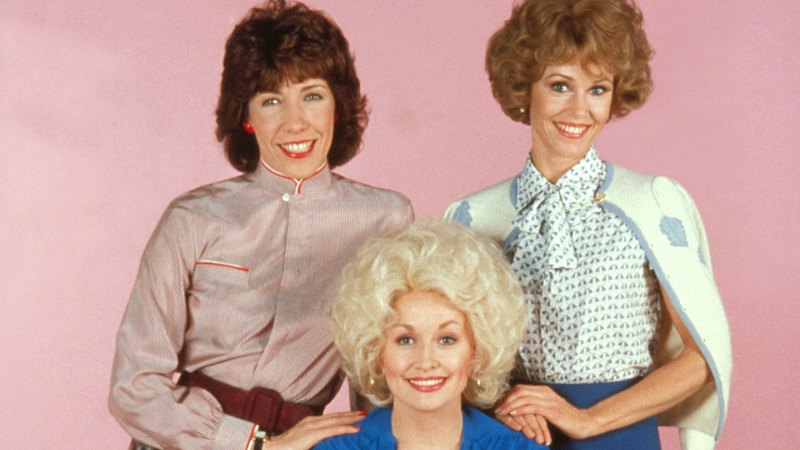
From 9 to 5 to Steel Magnolias: Dolly Parton’s cinematic legacy
While her music built her fame, Dolly Parton’s screen presence proved unforgettable. From fearless heroines to witty salon owners, she leaves behind a pantheon of sassy women who will live forever.
Dolly Parton, the country music legend, was known not only for her financial acumen but also for her exceptional sense of philanthropy. Born into poverty in Sevierville, Tennessee, Parton amassed an estimated fortune of $450 million by 2025 through her successful career in music, songwriting, publishing, and a diverse business empire. Her approach to wealth was as remarkable as her journey to wealth.
Parton's refusal to relinquish the publishing rights of "I Will Always Love You," a song Elvis Presley wanted to record, played a pivotal role in preserving its value. Without this decision, the song's value would have been diminished, as Whitney Houston's version, recorded two decades later, proved to be a global hit. Similarly, Parton's long-term perspective was evident in her establishment of the Dollywood Foundation in 1988, focusing on education. This initiative successfully reduced the dropout rate among its participants from 35% to 6%.
Perhaps Parton's most significant legacy is her Imagination Library, launched in 1995, which has distributed 304.5 million books worldwide since its inception. The program, available in the US, Canada, UK, Australia, and Ireland, sends a free book to children every month from birth until age five, with no cost to the families involved.
Parton's philanthropy also extended to disaster relief; following a series of wildfires in her hometown, she established the My People Fund in 2016, providing over $12 million in aid to affected families. She also contributed over $2 million towards Hurricane Helene recovery efforts in 2024.
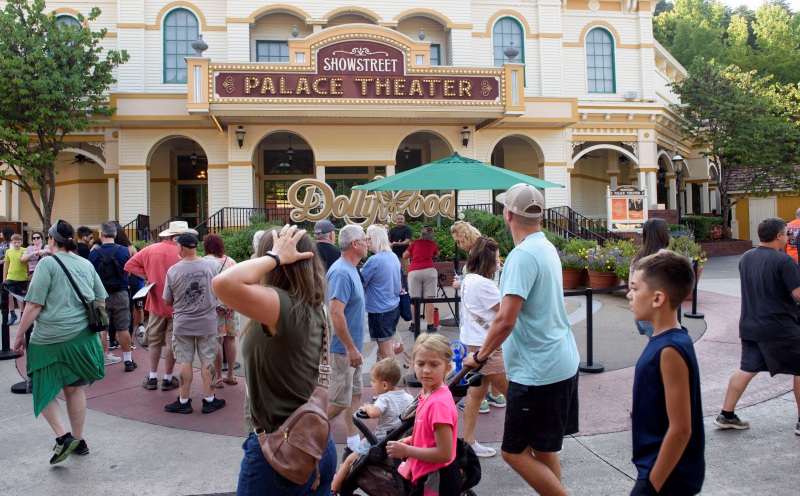
Parton's wealth was not confined to her businesses or philanthropic endeavors; she also invested in the local economy, becoming a partner in Dollywood, the theme park she helped turn into a major tourist attraction. By 2025, Dollywood attracted over four million visitors annually, contributing around $1.8 billion to the local economy each year.
In her own words, Parton believed that her success came with a responsibility to give back. "Dolly often said that she had been blessed far beyond anything she ever dreamed possible," said Jeff Conyers, the foundation's president. Parton's enduring legacy extends far beyond her musical catalog and businesses; it is her belief that "small acts of kindness can create lasting change."
Written by urgent.news from IOL's reporting — not their text. Machine-written — may contain errors; check the original before relying on it.
This story
This is one outlet's version. Read the fullest account.
- In Dolly Parton’s theology, God and acceptance shared the same stage apnews.com
- Dollywood president says Dolly Parton had "never forgotten how to serve others" cbsnews.com
- #SHOWBIZ: Dolly Parton to be laid to rest beside husband Carl Dean in Nashville nst.com.my
- Dolly Parton's legacy: How she used her millions to give back iol.co.za
- A Dolly Parton song is waiting to be unearthed — in 2045 malaymail.com
- Which artist gave Dolly Parton her biggest hit? Take the Brisbane Times Quiz theage.com.au
- Which artist gave Dolly Parton her biggest hit? Take the Brisbane Times Quiz smh.com.au
- In Dolly Parton’s theology, God and acceptance shared the same stage winnipegfreepress.com