As onion touches ₹62 per kilogram, government blames middlemen for price rise
Farmers’ leader Rakesh Tikait had written to Prime Minister Narendra Modi and to Mr. Chouhan that onion farmers were getting a price as low as ₹1 per kg of onion and had demanded immediate government intervention
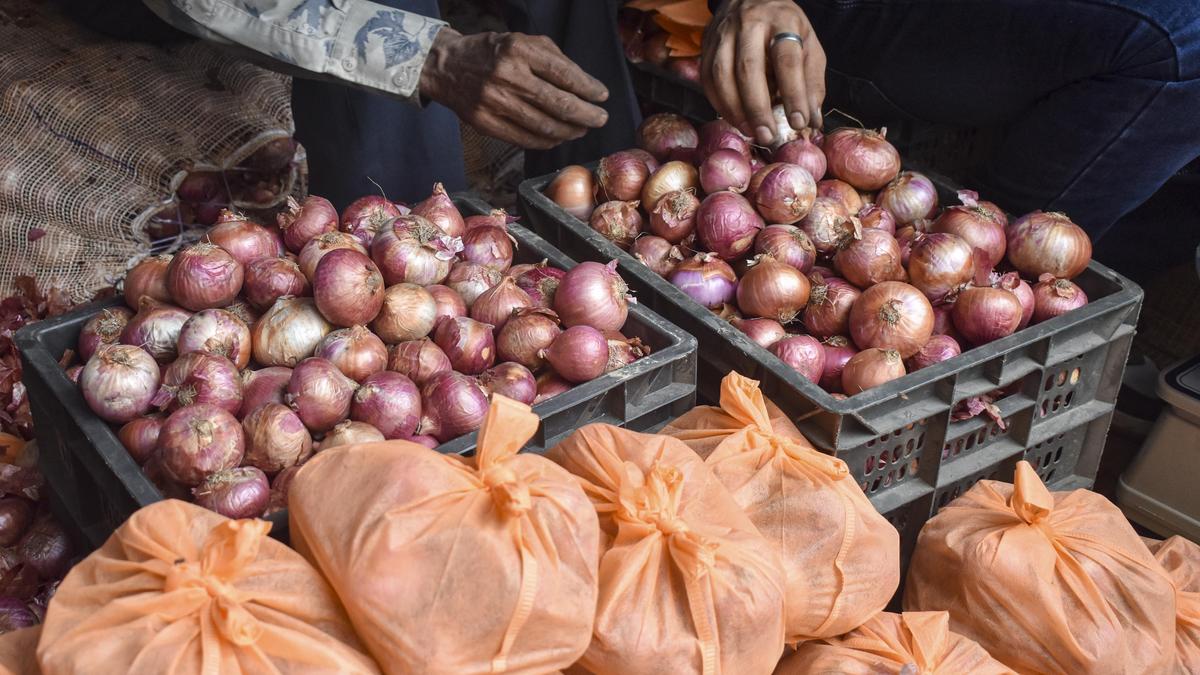
The government of India blamed "black marketing, hoarding and profiteering" for the surge in onion prices, which reached ₹62 per kilogram on August 27, 2026. To alleviate the situation, the Consumer Affairs Ministry announced that onions would be made available for retail purchase at a discounted rate of ₹35 per kg through designated mobile vans in cities like Delhi.
The National Agricultural Cooperative Marketing Federation of India (Nafed) and the National Cooperative Consumers' Federation of India (NCCF) will sell the onions through their retail outlets and Kendriya Bhandars under these price stabilization measures.
Union Agriculture Minister Shivraj Singh Chouhan attributed the price increase to middlemen, stating that farmers should receive a fair income while consumers should obtain the product at a reasonable cost. Farmers' leader Rakesh Tikait had written to Prime Minister Narendra Modi and Chouhan, expressing concern over farmers receiving as little as ₹1 per kilogram for onions and demanding immediate government intervention.
Tikait also criticized the government for not procuring onions from farmers at a minimum rate of ₹10 per kilogram. Chouhan affirmed that the government had intervened by purchasing onions from farmers in Maharashtra when prices plummeted, yet farmers are now lacking onions as stocks were sold, leading to retail prices soaring to ₹60 per kilogram.
Consumer Affairs Secretary Nidhi Khare attributed the price rise to black marketing, hoarding, and profiteering. She assured that there is sufficient onion supply to meet demand during the festive season, and the government is not considering banning onion exports due to a lack of supply issues. In response to the escalating prices, the government began a calibrated and targeted release of onions from buffer stock to maintain adequate availability and control seasonal price pressures.
The intervention involved a hybrid model of transportation using railway rakes and road transport, with supplies directed to major consumption centers based on market conditions and price trends.
Written by urgent.news from The Hindu's reporting — not their text. Machine-written — may contain errors; check the original before relying on it.