Ancient Najran site reveals human settlement dating back 1.8 million years
Saudi Heritage Commission highlights Najran’s Shuaib Dhadha site, where stone tools up to 1.8 million years old mark early human presence in southern Arabia.
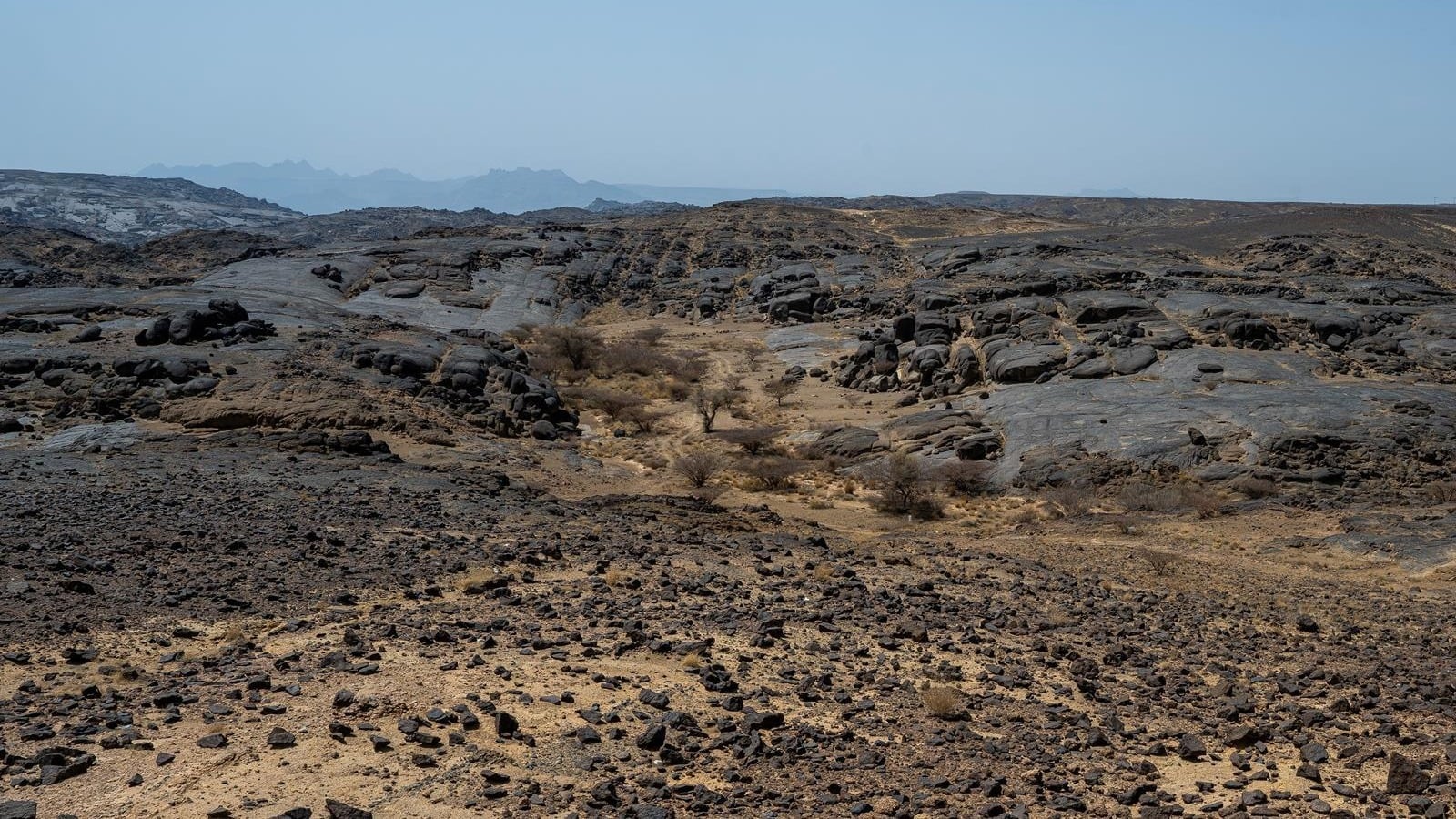
In southwest Saudi Arabia, the Saudi Heritage Commission has emphasized the Shuaib Dhadha site in Najran as a crucial archaeological location that sheds light on the earliest human settlement in the Arabian Peninsula. Discovered during a thorough archaeological survey in 1400 AH (1980 CE), the site features stone tools dating back between 1.2 and 1.8 million years. These tools, uncovered on a gravel terrace along the Najran Valley, were preserved over time due to natural soil erosion.
The tools discovered at Shuaib Dhadha are attributed to the Oldowan stone industry, an early human tool-making tradition. Utilizing quartzite rocks found locally, early humans crafted sharp implements for various purposes, such as cutting meat, breaking bones, and skinning animals. Among the recovered tools are choppers made from river pebbles, polyhedral tools, scrapers, and flakes fashioned from stone cores.
Some of these tools display patina layers, providing insights into their age and contributing to the site's archaeological context.
Ajab Al-Otaibi, Director General of the Antiquities Sector at the Heritage Commission, highlighted the significance of Shuaib Dhadha in building a comprehensive understanding of Saudi Arabia's human settlement history. The site's preservation and specialized research into the country's early human presence are deemed essential. Located on the eastern slopes of the Sarawat Mountains, the region in ancient times offered water sources, suitable rocks for tool-making, and abundant plant and animal life, rendering it ideal for early human groups.
Mohammed Al-Hatila, head of the Najran Archaeology and History Association, noted that recent discoveries at Shuaib Dhadha provide exceptional evidence of human settlement's deep roots in Arabia. The diverse array of stone tools, ranging from large choppers and scrapers to fine blades, hammers, and multipurpose implements, underscores the primitive lifestyle of ancient Najran communities.
The findings underscore the region's status as one of the world's oldest centers of human activity. The Heritage Commission remains committed to preserving and studying archaeological sites across the Kingdom, enhancing understanding of Saudi Arabia's rich historical and cultural heritage.
Written by urgent.news from Ajel English's reporting — not their text. Machine-written — may contain errors; check the original before relying on it.