Analysis-Bessent, Warsh diverge on who should set the price of money
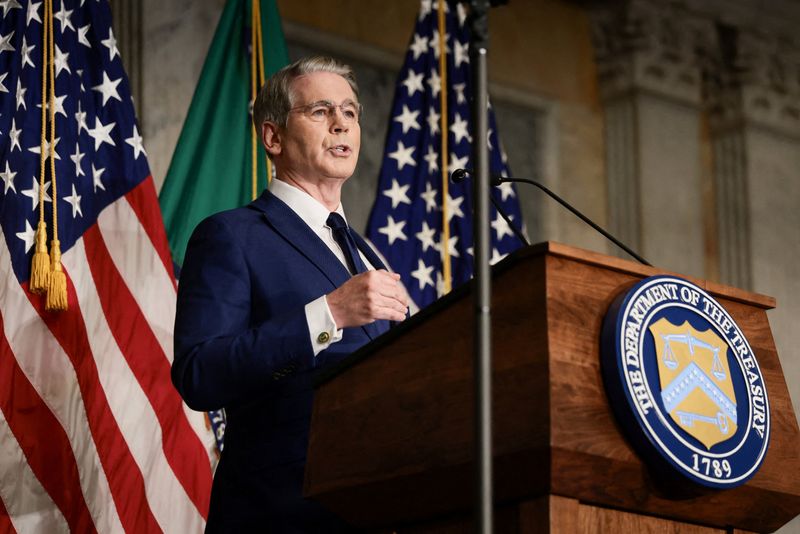
Two prominent figures in U.S. financial policy, Treasury Secretary Scott Bessent and Federal Reserve Chairman Kevin Warsh, demonstrate a clear divergence in their views on who should determine the price of money. Warsh has been advocating for a more hands-off approach, allowing bond markets to set rates, while Bessent has been employing a range of tools to aid market function.
This disagreement becomes particularly apparent as the Trump administration intensifies its efforts to curb long-term borrowing costs. However, many analysts and investors argue that Bessent's approach, which relies heavily on Treasury tools, may not be the most effective solution. They believe the underlying factors such as strong growth, high inflation, anticipated Fed hikes, and significant bond supply are driving yields upward, not just market dysfunction.
Critics, like billionaire investor Stanley Druckenmiller, argue that this approach, termed "price management" by Druckenmiller, could undermine Treasury's credibility. Furthermore, investors are concerned that if bond yields aren't allowed to reach their market-clearing levels, it could trigger a chain reaction impacting other financial markets, including the dollar.
While Treasury Secretary Bessent believes in the importance of using its extensive toolkit to ease the economy's interest burden, many investors remain skeptical, arguing for a more proactive stance from the Fed. The Fed, with its more powerful instruments, sets short-term rates and can buy or sell securities to influence broader economic conditions.
However, Warsh seems less inclined to follow this path, which could further complicate matters. Ultimately, experts agree that while various tweaks to Treasury's operations might provide some relief, they are unlikely to address the fundamental issue of persistent fiscal deficits. The real solution, many believe, lies in embracing debt reduction through stronger economic growth, a choice that will require tough decisions from Washington.
Written by urgent.news from Yahoo Finance's reporting — not their text. Machine-written — may contain errors; check the original before relying on it.
This story
This is one outlet's version. Read the fullest account.