An 11,000-Year-Old Sculpture of a Person Riding a Leopard Offers a New Glimpse Into Neolithic Türkiye
Learn how an 11,000-year-old sculpture found at Karahantepe in Türkiye reverses earlier art from the site by placing a person above a leopard.
In southeastern Turkey, near Şanlıurfa, archaeologists have discovered an 11,000-year-old sculpture that challenges previous interpretations of Neolithic art. The 28-inch tall statue depicts a person sitting on the back of a leopard, a composition that appears to be unique among the region's earlier stone carvings. Most commonly, people are shown bearing animals on their backs, rather than being carried themselves.
Culture and tourism minister Mehmet Nuri Ersoy expressed excitement about the discovery, which could offer new insights into the early stages of human history.
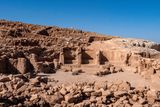
The sculpture was unearthed from a small stone building measuring about 10 feet across during the 2026 excavation season of Karahantepe, part of Türkiye's Heritage to the Future project. This project aims to research and preserve archaeological sites throughout the country. Earlier excavations at Karahantepe revealed that residents deliberately filled and sealed abandoned buildings, suggesting the new sculpture may have been left in place intentionally.
The new finding adds a third arrangement to the known patterns of human-animal depictions in Neolithic art. While Karahantepe already contained figures carrying animals on their backs, another site, Sayburç, featured human and animal figures displayed side by side. The new sculpture provides an additional context for understanding how early communities represented their relationships with animals and one another.
Karahantepe, situated approximately 19 miles from Göbeklitepe, belongs to the Stone Hills archaeological region, which contains over a dozen Neolithic sites, many of which were occupied during the transition from hunting and gathering to settled communities.
Written by urgent.news from Discover Magazine's reporting — not their text. Machine-written — may contain errors; check the original before relying on it.