Italy releases 130,000 octopuses to battle invasive blue crabs
Invasive blue crabs have devastated Italy’s coastal fisheries, damaging nets and shellfish stocks and costing the industry tens of millions of euros. Scientists have now released around 130,000 young common octopuses into the Adriatic Sea, hoping the native predators will help keep the crab population in check alongside increased fishing efforts.
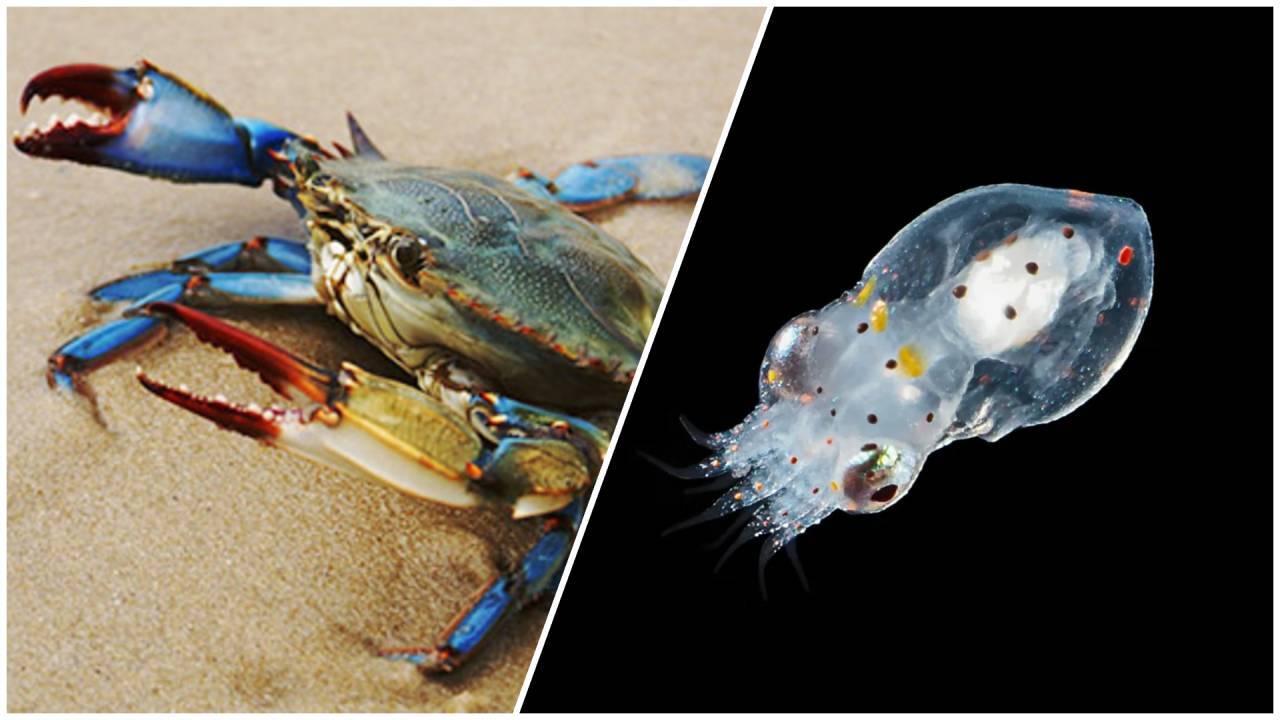
Italy is employing an unconventional approach to combat invasive blue crabs, releasing approximately 130,000 young octopuses into the Adriatic Sea. The initiative, dubbed Octo-Blu, is being spearheaded by researchers from the University of Bologna and the Emilia-Romagna regional government. The young octopuses, or paralarvae, are not fully grown but are released into coastal waters to mature.
These juvenile octopuses, measuring only a few millimeters, are expected to bolster the native population in the region already inhabited by common octopuses.
The strategy hinges on the octopus' voracious appetite for crustaceans, as one kilogram of an adult octopus can consume around four blue crabs in a day. This method aims to control the invasive blue crab population, which has been wreaking havoc on Italian fisheries. Invasive blue crabs have severely damaged shellfish stocks, fishing equipment, and coastal fisheries, resulting in the closure of hundreds of fisheries and costing tens of millions of euros to the Italian government.
While scientists acknowledge that the mortality rate among octopus paralarvae can be as high as 99.9%, they do not expect the octopuses to completely eliminate blue crabs from the Adriatic. Instead, researchers hope to keep the invasive population under control, forming part of a broader strategy that includes aggressive fishing of blue crabs.
Written by urgent.news from Times of India's reporting — not their text. Machine-written — may contain errors; check the original before relying on it.