‘Africa is being short-changed because we fail to negotiate well’ – Col Festus Aboagye
Retired Colonel Festus Aboagye has criticised African governments for failing to turn the continent’s vast natural and human resources into bargaining power, arguing that Africa is often short-changed because of weaknesses in its own negotiations.
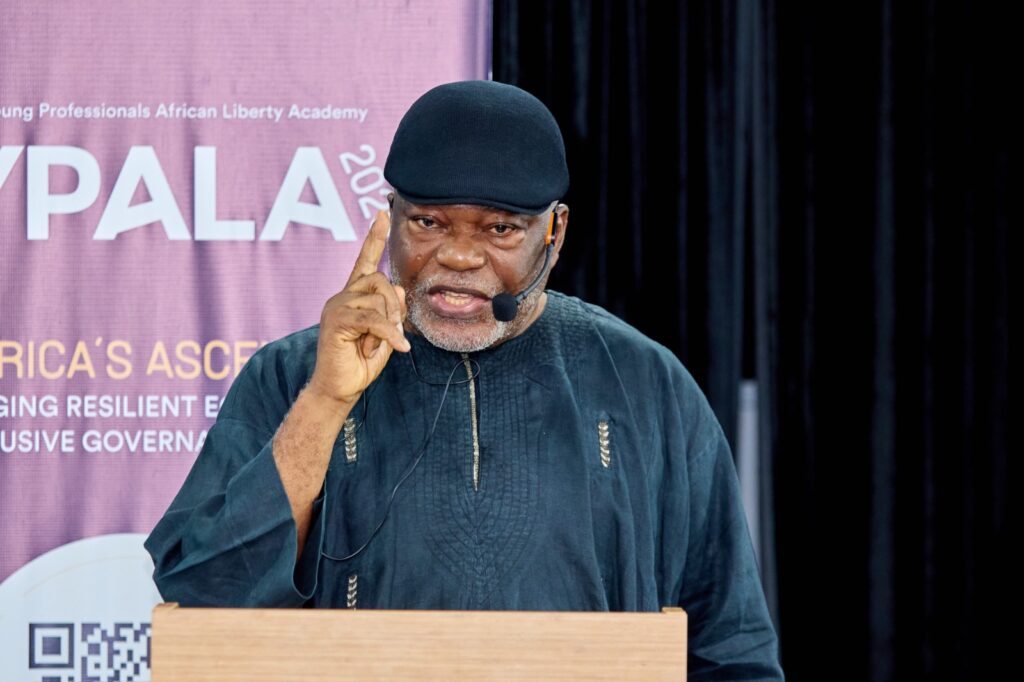
Colonel Festus Aboagye, a retired military official, has criticized African governments for failing to effectively negotiate and leverage their vast natural and human resources. Speaking at the Students and Young Professionals Africa Liberty Academy (SYPALA) 2026, organized by IMANI Africa, Col. Aboagye argued that merely possessing resources does not automatically grant African nations influence in their dealings with foreign partners. He emphasized that the value created from these resources must be controlled to build influence.
According to Col. Aboagye, Africa continues to export raw materials such as gold, oil, and cocoa while capturing only a small fraction of the value generated from finished products. He cited these examples to illustrate the continent's struggle to build the necessary capacity to process resources and retain more of the economic value. He warned that Africa's large youth population, while a potential advantage, is not inherently an economic asset if not properly invested in.
The former Colonel stressed that the real question is not whether Africa possesses valuable resources but whether governments can negotiate agreements that ensure those resources serve the continent's long-term interests. He highlighted the importance of African governments paying closer attention to the terms of agreements they sign with foreign partners. He used the example of Ghana's dealings with Turkey over a power plant, questioning whether Ghana secured the best possible terms for the project.
Col. Aboagye also criticized the lack of independent expertise in negotiations, urging African governments to consult organizations with technical knowledge before concluding major agreements. He pointed out that political leaders sometimes prioritize short-term gains for their own parties or individuals over the long-term benefits for their countries.
He advocated for a multi-alignment strategy, where African countries avoid permanent ties to one global power and instead select partnerships based on their strategic interests, emphasizing the need for negotiating capacity, fiscal independence, and domestic legitimacy.
Written by urgent.news from MyJoyOnline Ghana's reporting — not their text. Machine-written — may contain errors; check the original before relying on it.