A GST deal and the NDIS blew out by billions — but one is sacred
The Albanese government had a turbulent week with tussles over data centres and division within the Labor party over its humanitarian intake.
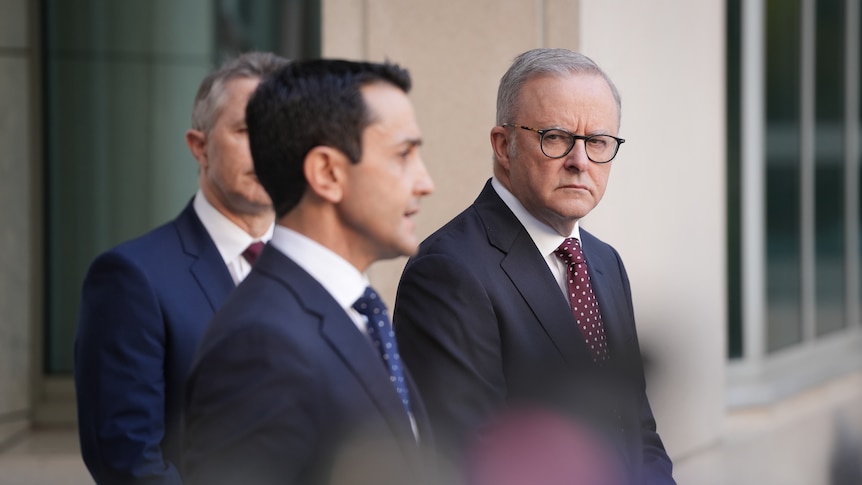
In 2018, then Treasurer Scott Morrison reached an agreement to guarantee Western Australia (WA) a larger share of the Goods and Services Tax (GST) revenue. Morrison claimed the deal would cost the federal budget an extra $5 billion over six years, amounting to an additional $5.4 billion if fully implemented. However, the deal has since cost $23 billion, and is projected to reach $60 billion by 2030.
The Productivity Commission, upon reviewing the deal, recommended its scrapping as a "costly mistake" that exacerbates state inequality. Despite the criticism, Prime Minister Anthony Albanese vowed to keep the deal, citing WA's support as crucial for his election victory. Meanwhile, the National Disability Insurance Scheme (NDIS) is facing significant cost overruns, with projections to reach $70 billion annually by 2030.
The Albanese government has taken steps to reduce costs by shifting some people to state-run alternatives, saving about $38 billion over four years. In another development, the government is planning to force AI data centres to use renewable energy sources to offset increased energy consumption caused by the data centre surge. However, Queensland and Northern Territory leaders have pushed back against this plan, arguing for a technology-agnostic approach that allows coal and gas usage.
Written by urgent.news from ABC News AU's reporting — not their text. Machine-written — may contain errors; check the original before relying on it.