88 no-balls! Jadeja’s staggering problem leaves India with a big headache
Ravindra Jadeja's recurring issue with no-balls has reached alarming levels, tallying 88 infringements since 2021, the most among spinners. This trend intensified following the introduction of television adjudication, during which he was only responsible for 18 no-balls. As the current series unfolds, India's spinners seem to be grappling with discipline and precision, highlighting a need for…
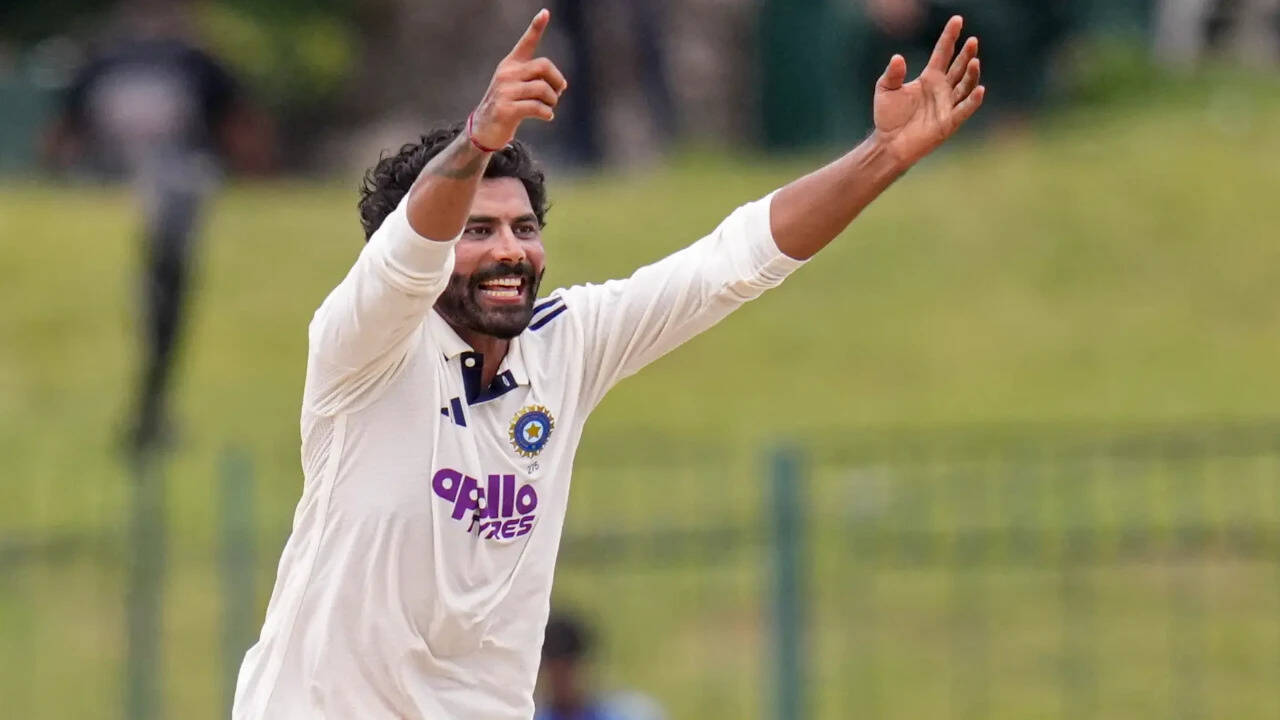
Ravindra Jadeja's no-ball problem has reached an alarming level, with the India spinner now boasting an astonishing 88 no-balls in Tests since 2021. This staggering figure puts Jadeja at the top of the list among spinners, with Pakistan's Noman Ali second on 40 no-balls and Lasith Embuldeniya third with 33. England's Jack Leach follows with 19 no-balls.
The issue became more visible after television umpires started calling no-balls in the England-Pakistan Test series in late 2020. Under this new rule, only Kagiso Rabada, Ben Stokes, and Jasprit Bumrah have bowled more no-balls than Jadeja.
When Jadeja's career is divided into two periods, the disparity in his no-ball count becomes even more distressing. Between his Test debut in 2012 and the introduction of television umpires, he bowled only 18 no-balls. However, since then, he has overstepped a remarkable 89 times. This troubling trend is not limited to the current Test against Sri Lanka.
In the first Test, Jadeja committed two no-balls in each innings, including one that proved critical when a delivery led to an incorrect call, allowing Dhananjaya de Silva to score a run that helped the Sri Lankan team.
India's spinners have collectively faced discipline issues during the series, with the spinners bowling a total of five no-balls on Day 4 of the Colombo Test, leading to a match tally of 10 no-balls. Although no wickets were lost due to these no-balls, their frequency has raised concerns about the discipline among the Indian spinners.
Written by urgent.news from Times of India's reporting — not their text. Machine-written — may contain errors; check the original before relying on it.