Would U.S. tariffs actually change after Trump, or is this the new normal?
The idea of a prolonged trade war is something Canadians will need to get used to — even after President Donald Trump leaves office, experts say.
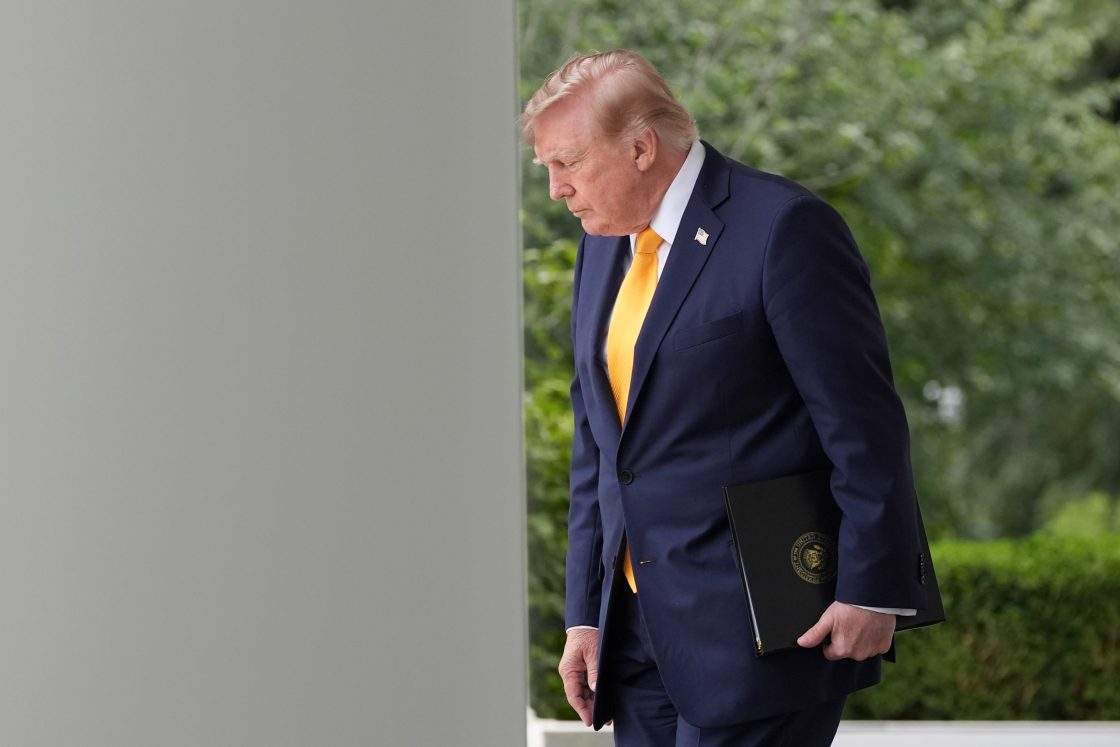
As new U.S. tariffs make their way into the Canadian economy post-President Donald Trump's presidency, experts warn that Canadians should brace for a prolonged trade war. Associate professor Aaron Ettinger of Carleton University believes that there's no magic disappearing act when Trump leaves the White House, stating, "I don’t see this changing any time soon."
Canada's Prime Minister, Mark Carney, attributed the breakdown of trade talks to the U.S. demanding too much without offering much in return, including trade restrictions.
The uncertainty surrounding the future of Canada's economy, clouded by the ongoing tariff policies and trade negotiations, has left many Canadians and businesses on edge. Deloitte's report from July suggested that Canada's economy was "on pause" as businesses hesitated to invest and hire due to the lack of a clear path forward.
Industry Minister Mélanie Joly recently announced additional financial support measures for Canada's small businesses, including $500 million in interest-free loans that will not require repayment for the next 36 months, even after Trump leaves office. However, businesses will need to demonstrate that their cash flow is impacted by the tariffs to qualify for this support.
Trump's second and final term as president concludes in January 2029, but he will still hold office after the midterm elections in the fall. While a Democratic-controlled Congress could attempt to rein in Trump's policies or repeal them, these actions would require Trump's signature, which he could veto. This means that even if the Republican Party loses control of both the House and Senate in the fall, Trump may still be able to maintain most of the current tariff policies.
While a subsequent president could theoretically eliminate Trump's tariff policies quickly, undoing the economic adaptations that have taken place over several years is unrealistic and would take a long time. Businesses on both sides of the border have already adjusted to the tariff system, finding new markets and readjusting their practices. Reversing these changes at once is not feasible, and it would take a significant lead time to adapt properly to a more free-trade system.
Even if the Republican Party loses Congress in 2026 or Trump leaves office in 2028/2029, the cascading and echoing effects of the tariffs will persist. As a result, Canadians cannot expect that Trump's departure will instantly return the economy to a pre-Trump status quo. Instead, they must prepare for a continued tariff regime from the United States.
Written by urgent.news from Global News's reporting — not their text. Machine-written — may contain errors; check the original before relying on it.