Why Tesla has been caught up in a massive car recall in China
The country's biggest ever car recall affects more than four million vehicles made by Tesla, XPeng, Xiaomi and other firms.
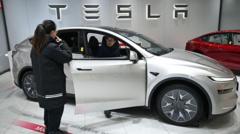
Tesla is currently embroiled in a significant car recall in China, with over four million vehicles affected, primarily its models. This recall precedes new regulations in China that mandate cars to include a mechanical release on both the inside and outside of their doors. The sleek, hidden door handles often found on electric vehicles have come under scrutiny due to safety concerns.
Several incidents have highlighted that these handles can make doors challenging to open in emergencies, potentially endangering the lives of drivers and passengers. Following two fatal crashes involving Xiaomi's SU7 model, Chinese authorities announced the recall of more than four million vehicles, including those from Tesla, Xiaomi, XPeng, and Geely.
The recall orders require manufacturers to add warning labels inside vehicle doors and, in some cases, perform software updates. While these measures aim to improve safety, some experts argue that they do not fully address the issue of mechanical door access during emergencies.
Written by urgent.news from BBC Business's reporting — not their text. Machine-written — may contain errors; check the original before relying on it.
This story
This is one outlet's version. Read the fullest account.
- China flexes its auto-safety chops with huge recall of Tesla, other cars brecorder.com
- Why Tesla has been caught up in a massive car recall in China peopledaily.digital
- China Flexes its Auto-Safety Chops With Huge Recall of Tesla, Other Cars insurancejournal.com
- Why Tesla has been caught up in a massive car recall in China bbc.co.uk