Why rising heat is Asia’s next major health challenge
Across the globe – and Asia in particular – the link between a changing climate and human health is becoming harder to ignore. Home to an estimated 60 per cent of the world’s population, Asia is warming faster than the global average and ranks among the planet’s most climate-disaster-prone regions. Yet public awareness has not kept pace with the scale of the threat. In Hong Kong, many residents…
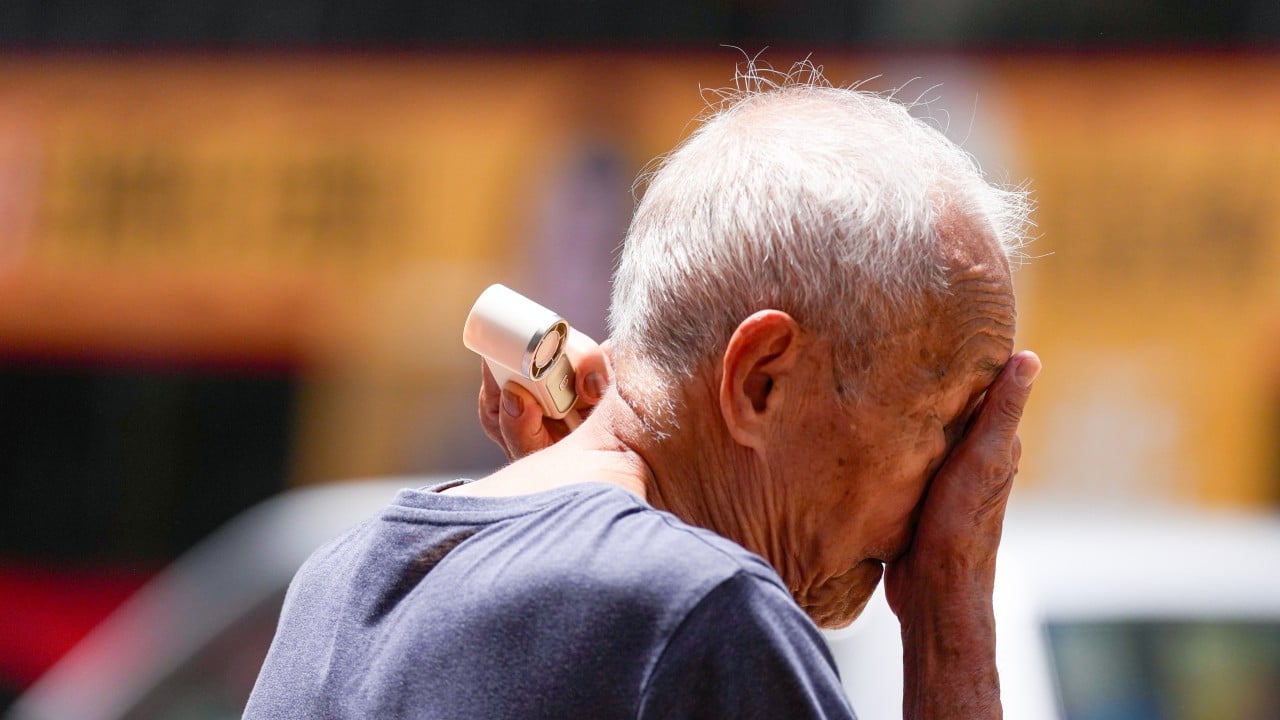
Rising temperatures across Asia are placing increasing strain on health systems, leading to a greater focus on public awareness, preventive measures and proactive response strategies. Home to roughly 60% of the world's population, Asia is experiencing a faster rate of climate change than the global average and is one of the most disaster-prone regions for climate-related events.
Despite this, awareness of the health risks associated with increasing temperatures remains low in many areas, particularly among residents of densely populated cities.
Cities such as Hong Kong have witnessed record-breaking heat, with the city recording its hottest year on record in 2024, with 52 "very hot days" and 50 "hot nights." The "Climate and Health in Asia" report, published by Forum for the Future and sponsored by AIA, highlights extreme heat as a growing threat to population health. Extreme heat poses a particular threat to densely populated cities, where polluted air and the urban heat island effect can further exacerbate exposure and elevate temperatures even after sunset, prolonging the risk for vulnerable populations.
As Asia's population ages, the healthcare demand is expected to surge by 2050, with one in four people in the region projected to be over 60 years old. This demographic shift, coupled with the accelerating impact of climate-related risks, necessitates a more proactive approach to healthcare preparedness. Emily Chan, assistant dean and professor at the Chinese University of Hong Kong's Faculty of Medicine, notes that human health is strongly influenced by environmental factors, and climate change is having a direct, visible impact on mortality and morbidity rates in Hong Kong.
Research has shown that temperature extremes and sudden changes, especially during summer heat, can have specific effects on mortality and morbidity across various diseases, as well as on the health system's ability to cope. The effects of heat exposure extend beyond immediate health risks to impact cardiovascular health, respiratory conditions, mental well-being, and overall quality of life, particularly among older adults and those with pre-existing health conditions.
Amita Chaudhury, AIA's group head of sustainability and chair of the United Nations Principles for Sustainable Insurance Board, emphasizes that climate-related health risks are often viewed in isolation, rather than as interconnected factors affecting overall community health. Heat-related mortality among people over 65 has risen sharply since the 1990s, highlighting the urgent need to treat extreme heat as a significant health risk rather than just a seasonal inconvenience.
Chan stresses that beyond certain temperature thresholds, hospital admissions and deaths increase, leading to silent mortality and heightened demand for healthcare services.
While Hong Kong has the necessary infrastructure, including reliable health data, skilled healthcare professionals, and emergency response capabilities, the challenge lies in mobilizing these resources in real-time when temperatures reach dangerous levels. The climate-health challenge also presents an opportunity to strengthen preparedness and resilience before health issues arise.
Chaudhury advocates for a shift towards prevention and long-term well-being, emphasizing the importance of awareness, prevention, and engagement in building individual and community resilience. AIA's initiatives, such as AIA Vitality and the AIA Healthiest Schools Programme, focus on encouraging healthier lifestyles and promoting environmental awareness from an early age, aiming to engage one billion people in living healthier, longer, and better lives by 2030.
Written by urgent.news from SCMP Business's reporting — not their text. Machine-written — may contain errors; check the original before relying on it.