The overlooked health effects of climate change
Poor air quality and extreme weather are affecting how we live and stay healthy. Building resilience will require prevention, preparedness and collaboration, says the Climate and Health in Asia report.

Climate change is not just a distant environmental concern, but a pressing threat to the health and well-being of people across Asia. Poor air quality, extreme weather events and shifting disease patterns are increasingly impacting daily life and health outcomes. Building resilience requires a multi-faceted approach of prevention, preparedness and collaboration among governments, healthcare providers, communities, businesses and insurers.
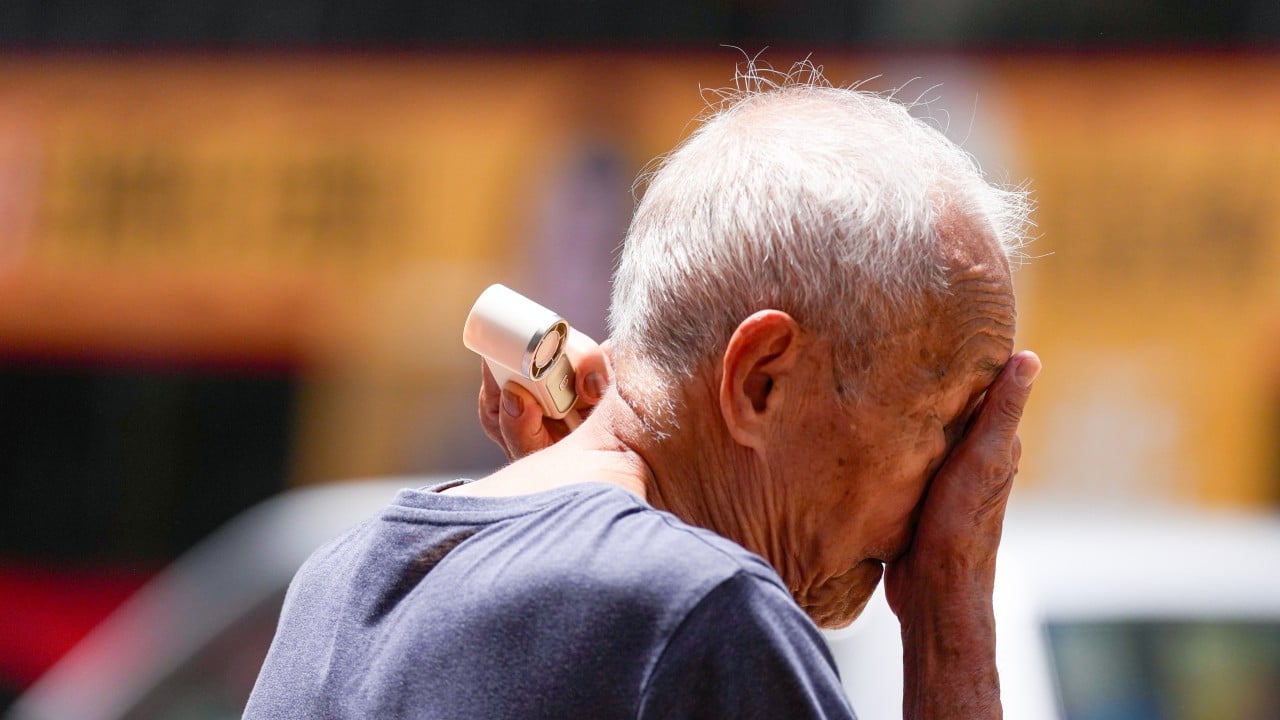
Extreme heat poses a hidden danger, particularly for older adults and vulnerable populations. Prolonged heat exposure can worsen pre-existing health conditions and increase the spread of mosquito-borne diseases as warmer temperatures expand the range of disease-carrying insects. Rising temperatures also place significant strain on healthcare infrastructure, from hospitals to insurance systems, as aging populations and urbanization accelerate.
Mental health is another overlooked consequence, with rising anxiety levels among younger generations facing a changing climate. Climate change also exposes vulnerabilities in the systems people rely on for health, from hospitals to broader healthcare infrastructure. Rapidly warming conditions in Asia outpace global averages, making adaptation essential.
Urban design solutions like district cooling, reflective building materials and covered walkways can help reduce heat exposure. Collaboration among healthcare systems, communities, governments and businesses is crucial to strengthen resilience against climate-related health risks.
Insurers are recognizing their pivotal role in addressing climate change impacts on health. Beyond assessing financial risks, insurers can support healthier outcomes and more resilient healthcare systems. They can promote early warning systems for extreme weather events, provide risk modelling, loss prevention measures and insurance solutions to protect individuals, businesses and governments from financial shocks.
By incentivizing healthier lifestyles and preventive care, insurers contribute to building a more resilient healthcare system in the face of climate change.
Written by urgent.news from Channel News Asia's reporting — not their text. Machine-written — may contain errors; check the original before relying on it.