Was the heat of this summer really "normal"?
Some political messaging denies the role of human-caused climate change in this summer's extreme heat. The science tells a different story.
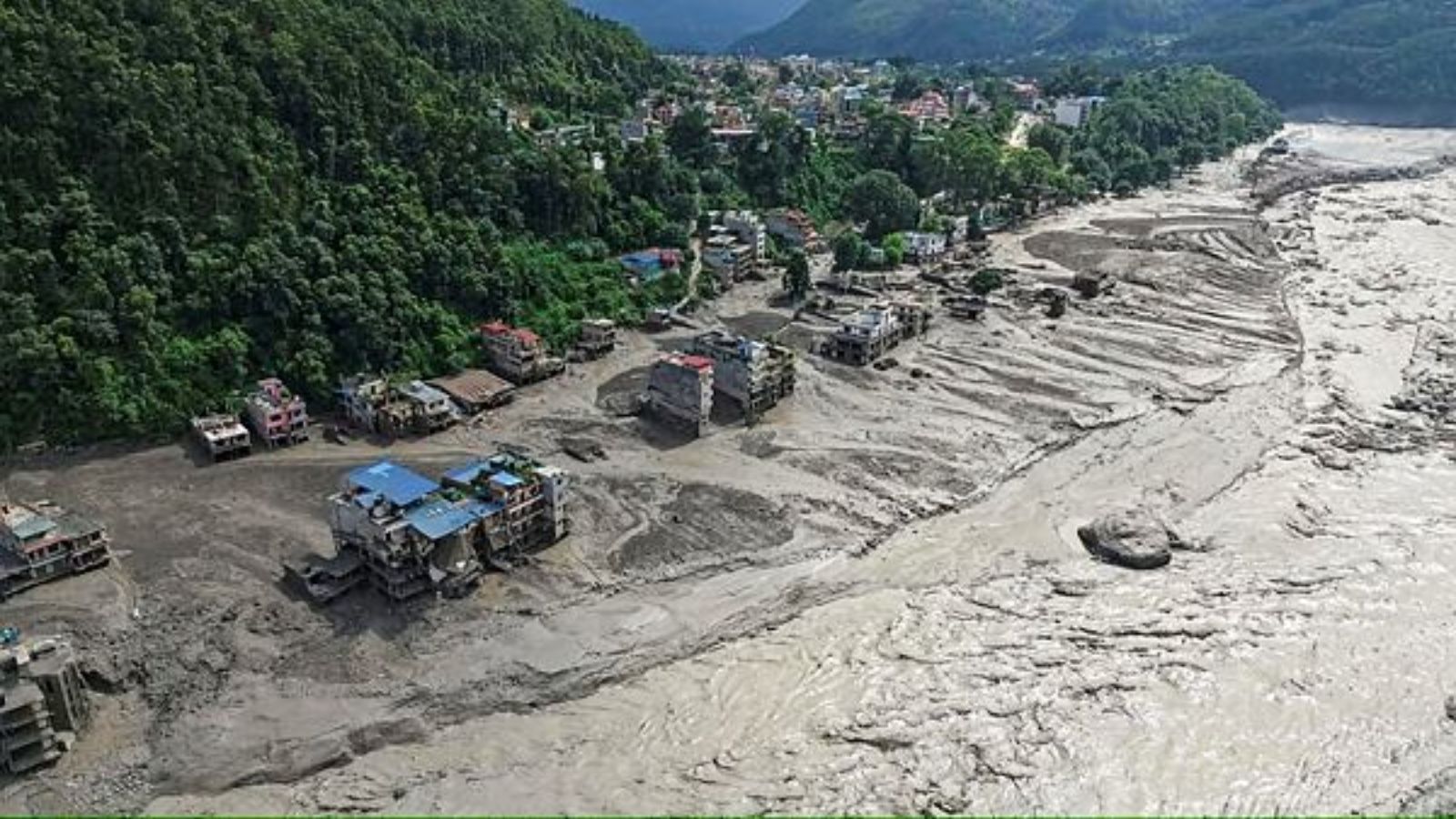
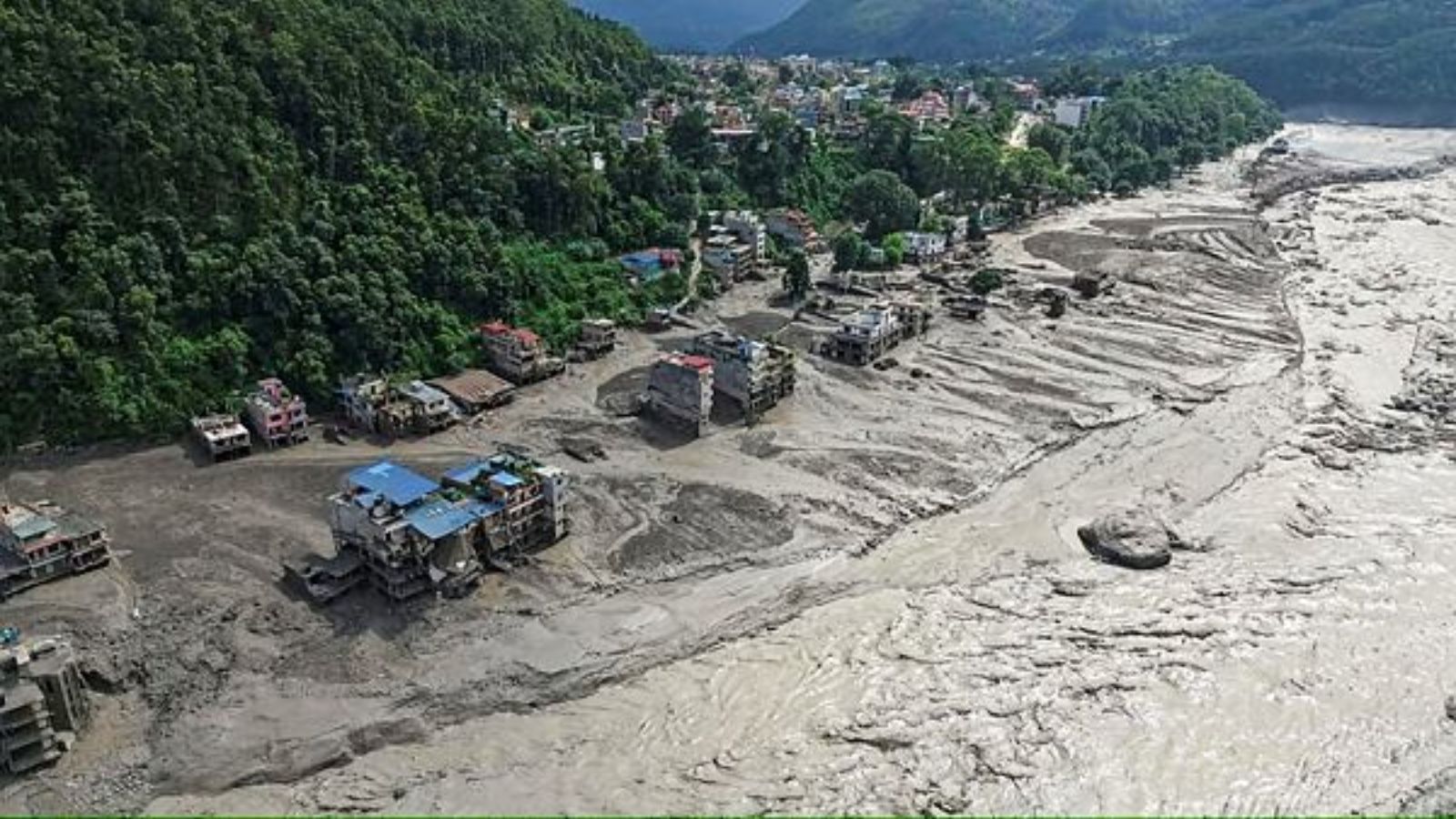
This summer in Europe has been marked by extreme heat, leading to severe consequences. Germany reported around 14,000 heat-related deaths, with a significant number in a single week of June. The heat caused an estimated loss of €180 billion in EU GDP. Farmers faced crop losses, with approximately 9 million tons of grain lost in June.
Climate change has become a daily reality, with politicians dismissing it as "hype" or "business as usual." However, scientific evidence shows that human activities, primarily fossil fuel burning, have caused Earth's surface and ocean basins to warm, impacting climate. This summer was the joint-warmest or joint-second warmest month on record, according to independent climate monitoring bodies.
The extreme heat affected energy plants, causing production halts, and damaged concrete motorways and buildings. Bodies of water in Europe dried up, causing shipping disruptions and rising drinking water costs. The US experienced its driest 10-month period since 1976-77, affecting crops, livestock, and food supplies. This summer's extreme heat was 20 times more likely in Spain and twice as probable in France due to climate change, according to attribution science.
Written by urgent.news from DW News's reporting — not their text. Machine-written — may contain errors; check the original before relying on it.
This story
This is one outlet's version. Read the fullest account.