Was the heat of this summer really "normal"?
Some political messaging denies the role of human-caused climate change in this summer's extreme heat. The science tells a different story.
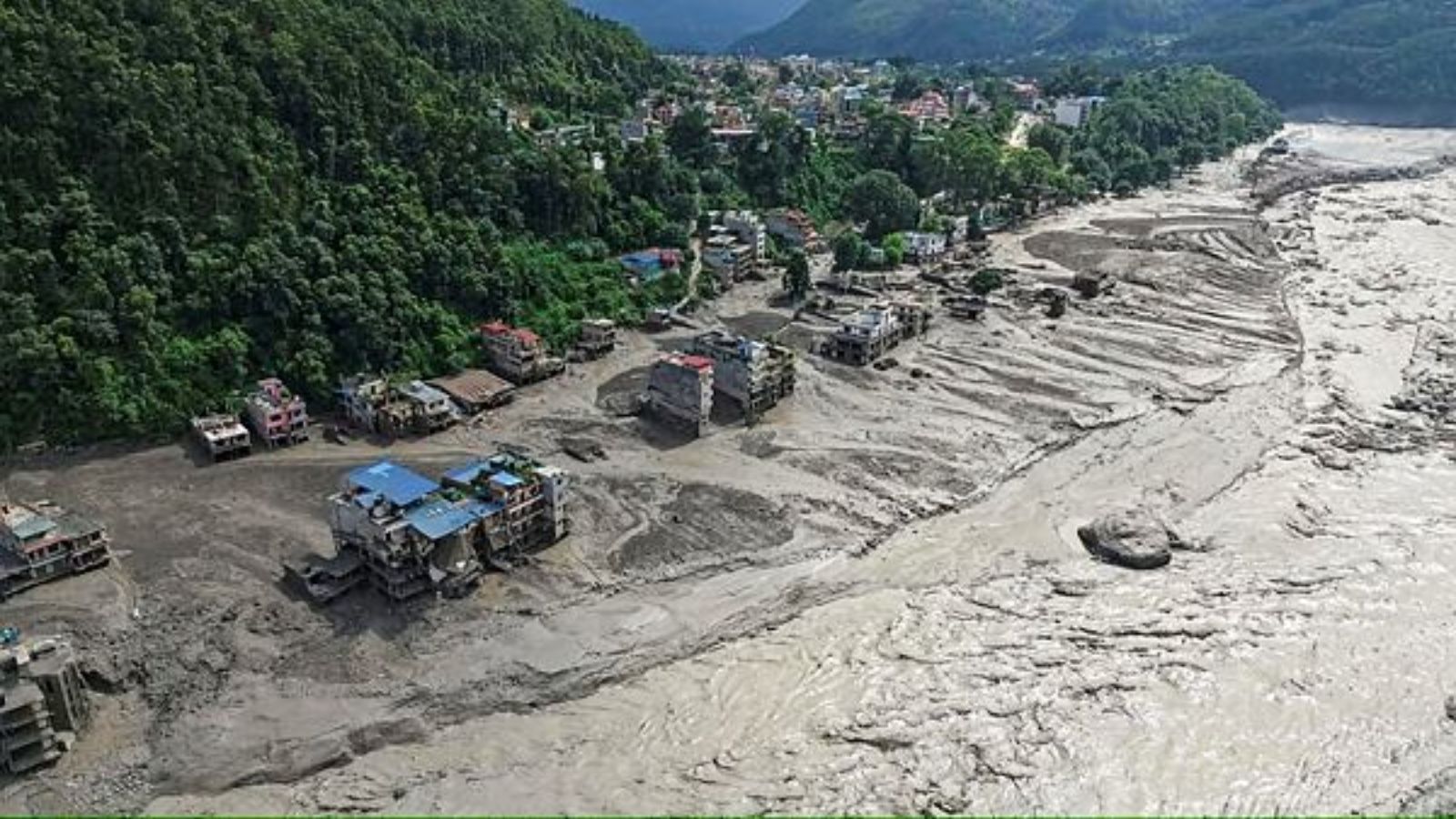
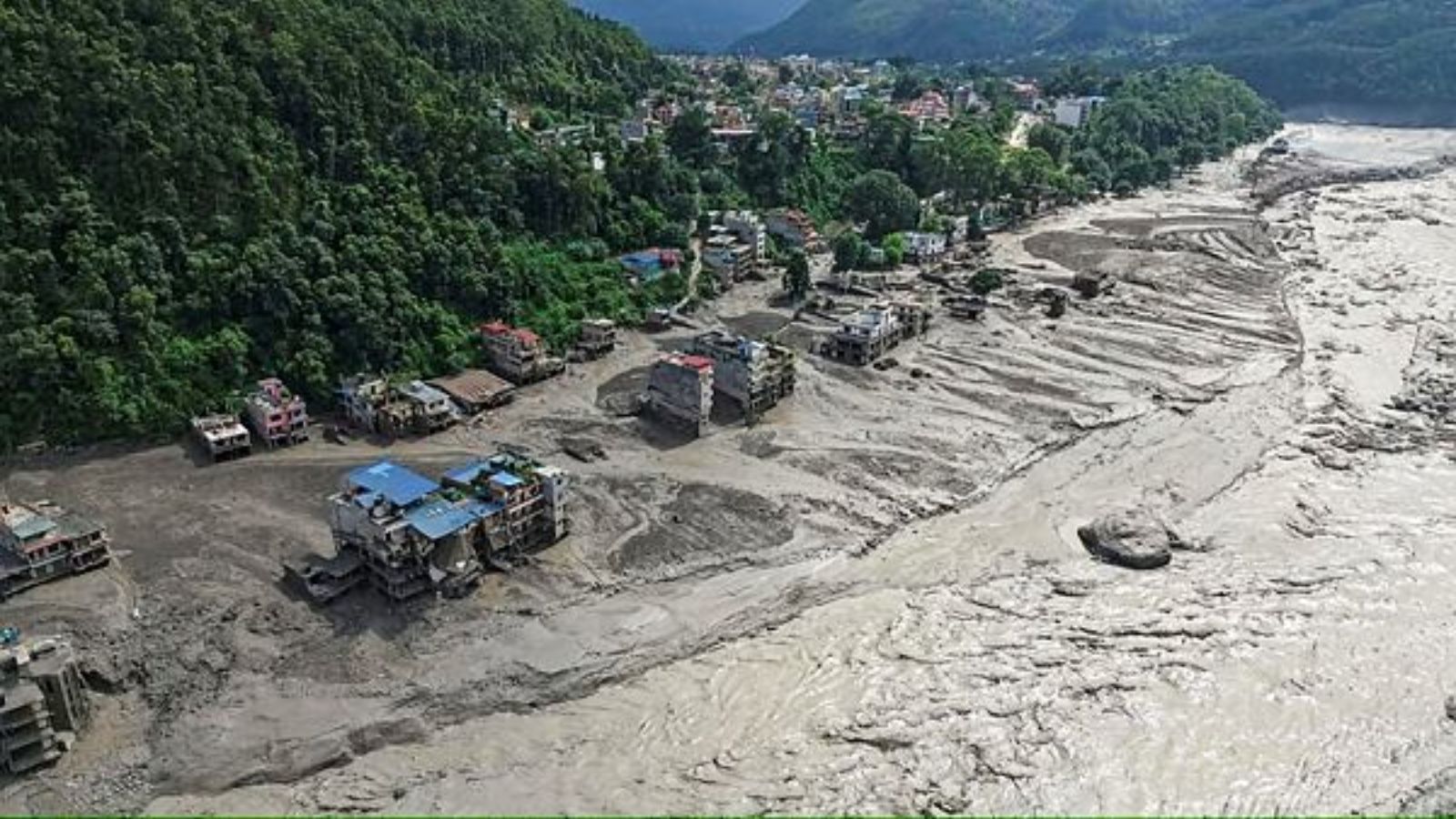
As the European heatwave comes to an end, politicians are examining the consequences. Germany suffered around 14,000 deaths linked to the heat, with the majority occurring in a single week of June. The Netherlands estimated that the EU could lose €180 billion ($209 billion) in GDP due to the summer heat. In June, European farmers lost approximately 9 million tons of grain crops.
Climate change, once a politically contentious issue, is now a daily reality for people worldwide. These impacts, among others, are making it increasingly hard to dismiss what people are witnessing firsthand. However, this has not dissuaded the global populist right from their stance. Richard Tice, leader of the UK's Reform Party, stated that climate change is a natural occurrence that will continue, encouraging the British public to embrace the heat.
In the United States, Republican politician Harriet Hageman, potentially becoming Wyoming's next senator, also dismissed the heatwave as typical summer weather. Tino Chrupalla, co-leader of Germany's far-right AfD party, declared this summer to be "completely normal," dismissing climate change as "hype." Despite these claims, scientific evidence contradicts them.
According to NASA, human activities, mainly the burning of fossil fuels, have caused the Earth's surface and ocean basins to warm, impacting the climate. Independent climate monitoring bodies, including NOAA, Copernicus Climate Change Service, and the Japan Meteorological Agency, all declared this month either the joint-warmest or joint-second warmest on record.
The extreme heat affected nearly every corner of the globe, with July being the warmest ever in North America, Africa, and Asia. The average sea surface temperature reached its highest level since records began in 1979. In Spain, far-right party Vox claimed that the fires, which burned over 254,000 hectares of land this season, were not linked to climate change.
However, experts agree that rising global temperatures played a significant role in the intense wildfire season that also affected France and Canada. Fire attribution science shows that hotter global temperatures made the Spanish wildfires 20 times more likely to occur, and twice as probable in France. This is due to weather whiplash, where ecosystems shift rapidly between wet and dry conditions.
As the planet warms, the atmosphere holds more moisture, rainfall intensifies, and plants grow, but in summer, the same warm atmosphere draws water from soil and plants, intensifying drought and drying out vegetation, making it highly flammable. This summer's events have been undeniable, with bodies of water across Europe drying up, and the Rhine, Danube, and Po rivers reaching historically low levels, making shipping difficult.
This has led to increased drinking water costs and disrupted supply chains, raising prices for products like steel and petroleum. In America, the USDA reported that the 10-month period from August 2025 to May 2026 was the driest since 1976-77, with 59% of sorghum, over half of cattle production, and nearly two-thirds of spring wheat production affected by drought.
These conditions can strain the country's food supply, increase prices, and threaten rural livelihoods. Regardless of the measurement — temperatures, drought maps, or death tolls — this summer stands out as historically extreme in much of the world.
Written by urgent.news from DW English (Top Stories)'s reporting — not their text. Machine-written — may contain errors; check the original before relying on it.
This story
This is one outlet's version. Read the fullest account.