Video. Nepal villages swept away by devastating floods
Some 400 tourists, including from the US, the UK and Malaysia, are missing, according to local authorities.
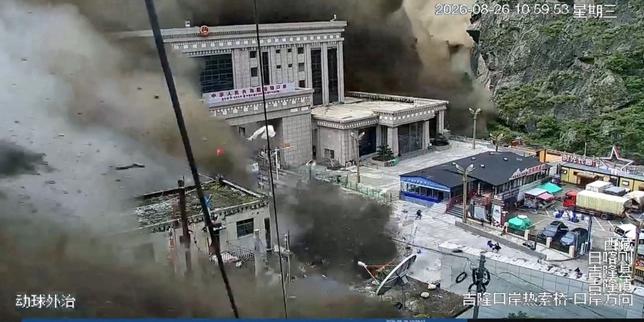
On August 26, catastrophic floods originating in the Nepal-Tibet border struck, resulting in at least 162 deaths, many of which were Indian nationals. The Lhende Khola and Bhote Koshi river system were heavily impacted, with roads, bridges, and houses swept away. A destructive mudslide further crippled the Gyirong Port, a crucial crossing point between Tibet and Nepal, along with causing widespread power and communication blackouts.
This incident is not the first time the river system has experienced such a disastrous event; last year, a glacial lake outburst flood (GLOF) damaged four major hydropower plants and affected 8% of Nepal’s electricity supply. The cause of the latest disaster, however, remains a mystery. Initial reports suggested an upstream avalanche triggered by an earthquake, believed to have been caused by a 4.4 magnitude seismic event reported by the US Geological Survey.
However, a subsequent update from the USGS revealed that the seismic activity was not due to an earthquake but rather a glacial collapse and debris flow.
Flash floods are sudden, violent surges of water that inundate low-lying areas in a short period. In mountainous regions, these floods possess greater energy and can obliterate structures in their path. The swift velocity of the flood leaves downstream communities with limited time for evacuation. In the current event, the flood destroyed heavy infrastructure like hydropower plants and communication systems, isolating affected border areas from the outside world.
Nepal's topography, characterized by the world's highest peaks and narrow river gorges, makes it highly susceptible to such disasters. The combination of steep gradients and narrow valleys accelerates the speed of water, intensifying its destructive power. Emergency response services face significant challenges due to the rough terrain and the concentration of settlements in habitable valleys.
As water rushes down steep inclines, it dislodges vast amounts of earth and boulders, compounding the challenges for rescue personnel. This unique geographical feature also leads to interconnected hydrology networks, causing flood alerts to be issued in downstream Indian states like Bihar and Uttar Pradesh.
Written by urgent.news from The Indian Express's reporting — not their text. Machine-written — may contain errors; check the original before relying on it.
This story
This is one outlet's version. Read the fullest account.
- At least 22 killed, hundreds missing after avalanche triggers deadly floods in Nepal koreatimes.co.kr
- At least 75 killed and hundreds missing after flash floods in Nepal and China news.mongabay.com
- Western disturbance linked to Nepal floods thehindu.com
- 17 Malaysians among 291 foreign nationals missing in Nepal floods freemalaysiatoday.com
- [UPDATED] 17 Malaysians among 291 foreign nationals reported missing after Nepal floods nst.com.my
- Israeli missing as deadly floods devastate Nepal, Tibet israelnationalnews.com
- (3rd LD) 9 S. Koreans missing in Nepal floods; 10 others confirmed safe en.yna.co.kr
- Nepal flash floods: What triggered the disaster, and why the country is so vulnerable indianexpress.com