The Vertical Turn In Enterprise AI
Is enterprise LLM adoption in India going the SaaS way? Not even a decade ago, SaaS majors realised that India’s…
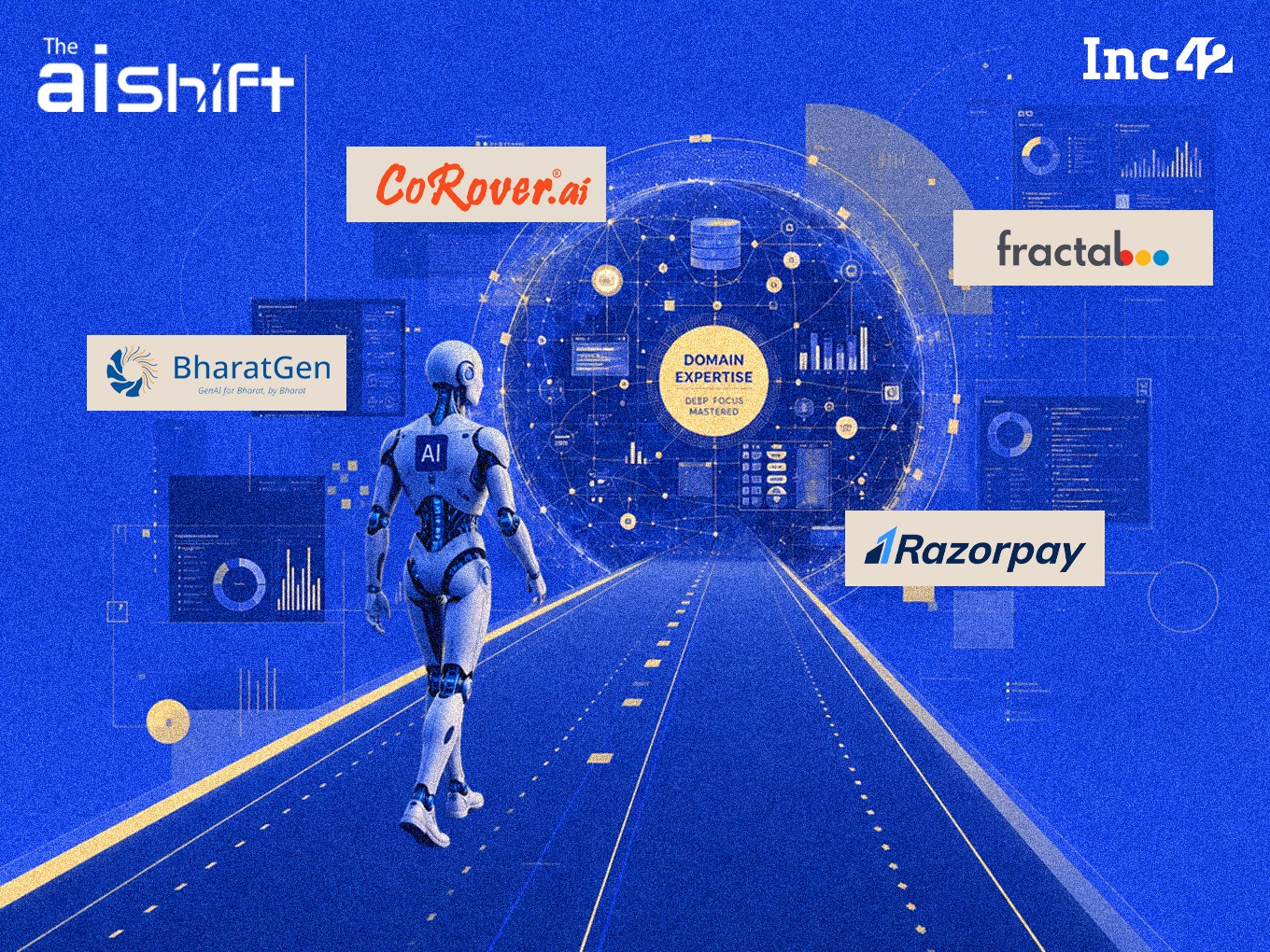
The enterprise adoption of large language models (LLMs) in India is moving towards a vertical approach, just as software SaaS companies did a decade ago. Vertical models like Razorpay's Vulcan, Fractal's healthcare reasoning models, and BharatGen's domain-specific models for agriculture and legal services indicate this shift. In 2024, Tech Mahindra introduced an 8 billion parameter Hindi-first LLM focused on education use cases, demonstrating the relevance of vertical models.
These models cater to specific business problems, making them more cost-effective than general-purpose LLMs. They also require less computational power, enabling smaller enterprises to utilize AI without extensive resources. Vertical LLMs address the complexity of signals in domains like fintech, where each transaction involves thousands of structured signals.
The decision-making process in such scenarios is complex and time-sensitive, making general-purpose LLMs less efficient. Vertical models with domain-specific training can provide results that compete with frontier models. However, enterprises will only fully adopt vertical LLMs if they demonstrate the ability to handle multiple critical tasks in a domain-specific context.
Written by urgent.news from Inc42's reporting — not their text. Machine-written — may contain errors; check the original before relying on it.