The security-obsessed global economy needs its own Helsinki process
Forty years ago, the Stockholm Document turned the political promise of the 1975 Helsinki Final Act into a more practical system of confidence-building. Amid the Cold War, Europe’s East and West did not disarm, abandon deterrence or begin to trust one another. Instead, they agreed that military competition could be made safer through prior notification, observation, information exchange and…
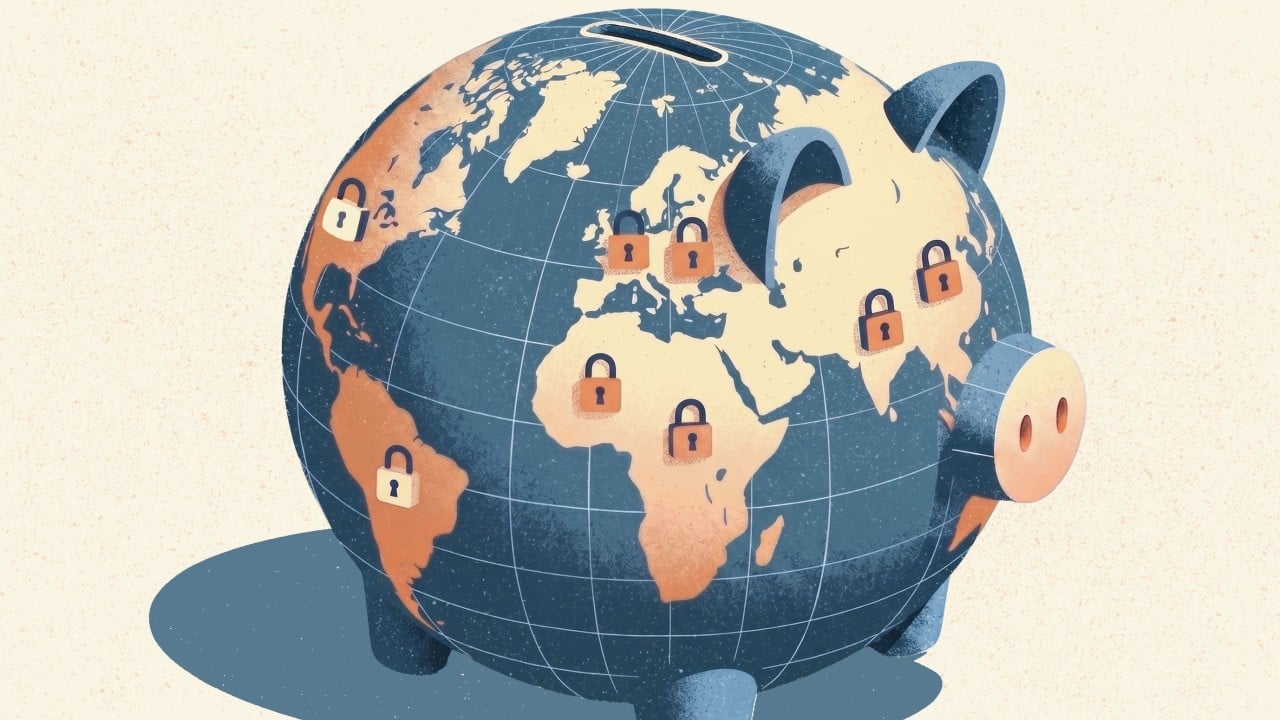
Nearly four decades after the landmark Helsinki Final Act, the world now requires its own Helsinki process to establish confidence in economic cooperation. While the original Helsinki Document addressed political relations during the Cold War, today's counterpart is needed to reduce uncertainty in the complex web of trade, technology, and supply chains that now link economies.
Rather than disarmament or trust-building, the new Helsinki process would focus on confidence-building measures that allow economic security tools to coexist with essential civilian functions.
Today, economic networks around the United States and China are increasingly security-oriented, with export controls, sanctions, and industrial policies turning interdependence into a potential source of vulnerability. To address this, a geoeconomic Helsinki process should begin with a narrow floor for essential civilian functions, such as basic medicines, food, and fertilisers.
A precedent exists in the World Trade Organization's agreement to exempt World Food Programme purchases of medically essential items from export prohibitions or restrictions.
This initial basket of protected civilian functions should also extend to legal exemptions for payment channels, insurance, and shipping services necessary to deliver these items. By establishing clear rules and legal exemptions, governments can retain their strategic leverage while preventing geopolitical coercion from disrupting essential functions.
A second basket of geoeconomic confidence-building measures would involve advance notice, purpose and duration disclosure, humanitarian exemptions, and channels for emergency consultation whenever major restrictions affect protected civilian functions. This transparency could help stakeholders better understand the reasons behind restrictions and facilitate timely consultation, reducing the likelihood of unintended consequences.
While advanced semiconductors, military-relevant AI, and rare earths are unlikely candidates for an initial agreement, the Helsinki approach's success lies in its limited rules, which make behavior more predictable. The key to this new process is reciprocity, with countries accepting restraints on politically motivated disruptions of designated essential supplies while guaranteeing that sanctions and other controls do not obstruct agreed humanitarian flows.
Middle powers, such as ASEAN members, Gulf countries, India, Switzerland, Brazil, and others, could play a crucial role in preserving cross-system connectivity and turning functional multilateralism into institutional guardrails. Rather than abandoning economic statecraft, the objective of this new geoeconomic Helsinki process would be to civilize it, creating bounded certainty that essential channels should remain open even during severe political crises.
Written by urgent.news from Reuters Business via SCMP's reporting — not their text. Machine-written — may contain errors; check the original before relying on it.
This story
This is one outlet's version. Read the fullest account.