The security-obsessed global economy needs its own Helsinki process
Forty years ago, the Stockholm Document turned the political promise of the 1975 Helsinki Final Act into a more practical system of confidence-building. Amid the Cold War, Europe’s East and West did not disarm, abandon deterrence or begin to trust one another. Instead, they agreed that military competition could be made safer through prior notification, observation, information exchange and…
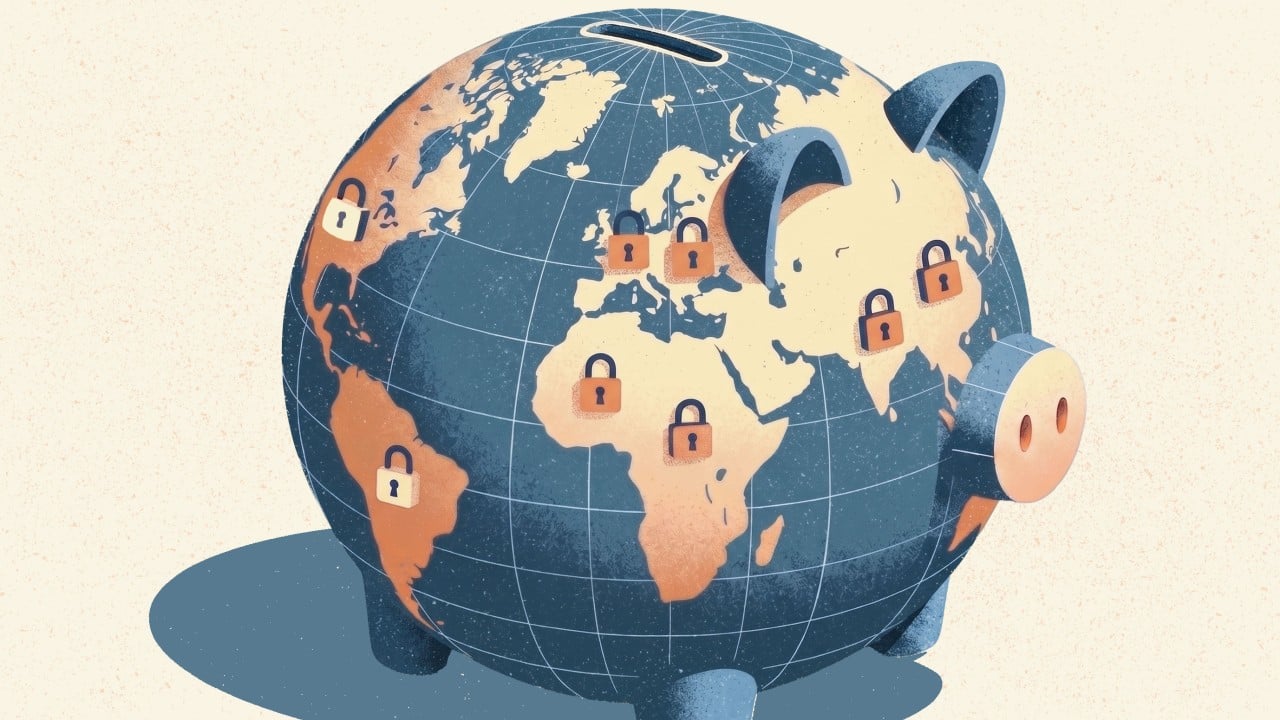
The article argues that the global economy, like the Cold War-era military sphere, now requires a new form of cooperation to manage security concerns. The Helsinki process, which was initially established to build trust between East and West, could now be adapted to address economic security issues. The author highlights how economic interdependence is now creating new vulnerabilities, as countries invest heavily in resilience measures that may inadvertently lead to economic decoupling.
The proposed solution is a "geoeconomic Helsinki process," which would establish a framework for managing economic security concerns in a way that minimizes unnecessary redundancy and the costs associated with it. This process would focus on essential civilian functions, such as critical medicines, food, and fertilizers, where countries can establish a minimum level of cooperation to ensure stability and prevent excessive economic security measures from becoming counterproductive.
Brief written by urgent.news from South China Morning Post's own syndicated text. Machine-written — may contain errors; check the original before relying on it.