Tea industry seeks Rs 113 crore annual package to revive Darjeeling sector
The Indian Tea Association seeks government aid for tea industry revival. Financial and regulatory reforms are proposed for Darjeeling and Dooars regions. The association requests support for production and modernization efforts. Measures aim to protect employment and rural livelihoods across North Bengal. Time-bound implementation of policies is crucial for sector sustainability.
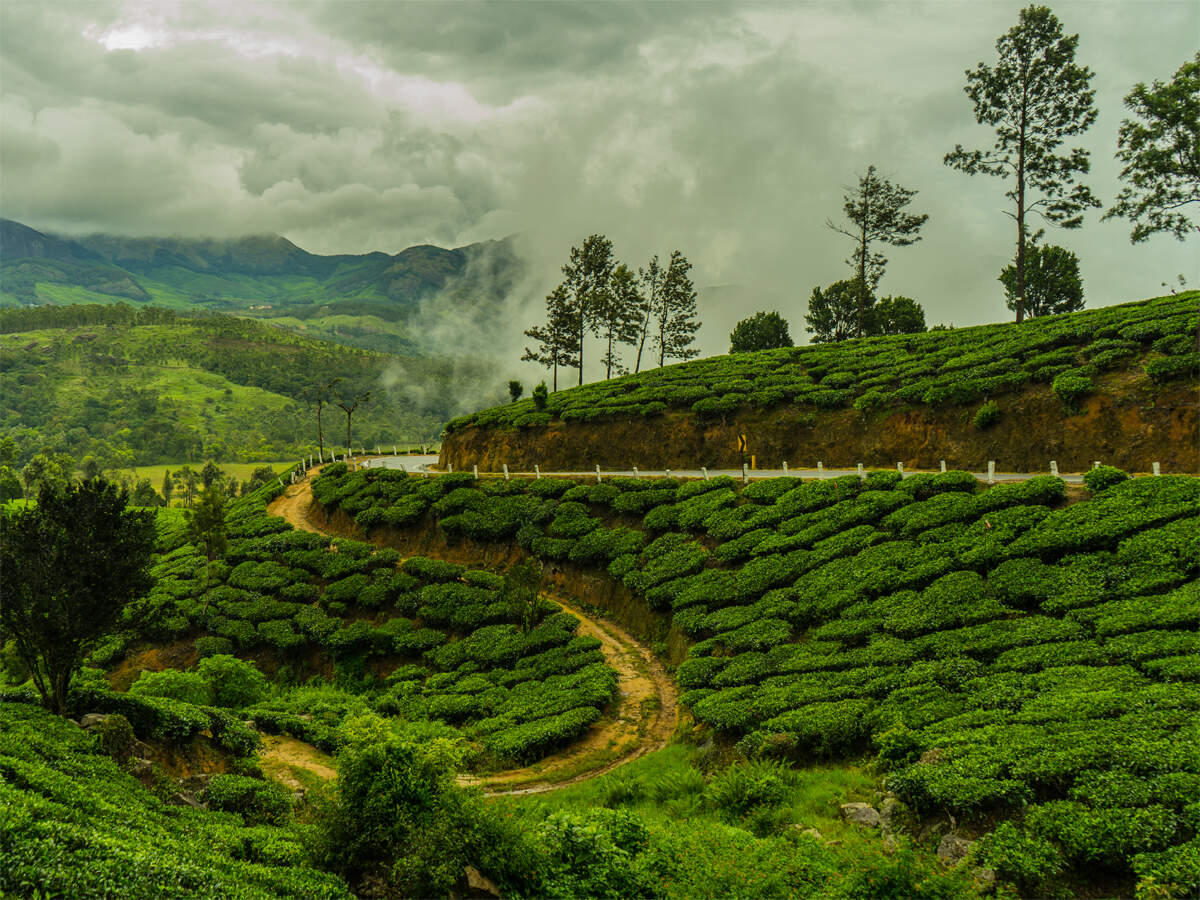
The Indian Tea Association (ITA) has requested a financial package worth Rs 113 crore annually from the West Bengal government to rejuvenate the tea industry in Darjeeling, Dooars, and Terai. The association has expressed concern over declining production, aging plantations, rising costs, and market pressures that threaten the sector's sustainability.
The ITA has delivered two White Papers detailing measures covering financial assistance, plantation rejuvenation, labor reforms, manufacturing modernization, market access, and diversification.
For Darjeeling, the White Paper indicates a sharp decline in tea production, falling from 14.49 million kg in 1990 to a mere 5.6 million kg in 2025. The ITA has called for targeted government intervention to safeguard the region's tea industry and its Geographical Indication (GI) status. Key recommendations include an annual financial assistance package of Rs 113 crore, covering aspects such as orthodox tea production, working capital interest, transportation, mechanization, social security, plantation rejuvenation, and factory modernization.
The association has also proposed granting seasonal industry status to Darjeeling tea and implementing measures to alleviate the financial burden on plantations and enhance their capacity to invest in ageing areas and production infrastructure.
For both Darjeeling and the Dooars-Terai region, the ITA has sought dedicated revival packages, interest subventions, rejuvenation of old tea plantations, and modernization of manufacturing facilities. Additionally, the association has advocated for better integration of tea plantations with government welfare and development schemes.
The White Papers also recommend labor and regulatory reforms, measures to promote tea tourism, and diversification of plantation activities to generate additional revenue for tea estates while fostering employment and rural economies.
On the market front, the ITA has suggested a Minimum Sustainable Price for Made Tea to address the disparity between production costs and realizations. They have also proposed a Minimum Import Price for orthodox teas to shield domestic producers from the impact of lower-priced imports. The association has recommended the rationalization of GST on ready-to-drink tea products and an increase in RoDTEP support for tea exports to bolster the competitiveness of Indian tea in international markets.
The ITA has urged measures to bolster domestic demand and exports, alongside investments in plantation productivity, mechanization, and manufacturing capacity. These recommendations emerged as the tea industry in North Bengal encountered pressure from rising input and labor costs, aging tea bushes, climatic challenges, weak market conditions, and the need for investments in estates and factories.
The ITA has presented these White Papers to the West Bengal government through a series of meetings with key officials, including Industry, Commerce & Enterprises Minister Tapas Roy, Finance Minister Swapan Dasgupta, and Advisor to the Chief Minister Subrata Gupta. The association aims to not only support tea producers but also to safeguard employment and rural livelihoods dependent on the industry, seeking ongoing dialogue and time-bound implementation of policy measures for the revival of Darjeeling and Dooars-Terai tea sectors.
Written by urgent.news from The Economic Times - Economy's reporting — not their text. Machine-written — may contain errors; check the original before relying on it.