Study links unofficial Ghana border crossings to documentation gaps, financial hardship
Alleged extortion at Ghana’s official border posts, coupled with financial difficulties and inadequate travel documentation, is pushing some immigrants to enter the country through unapproved routes, a study has found.
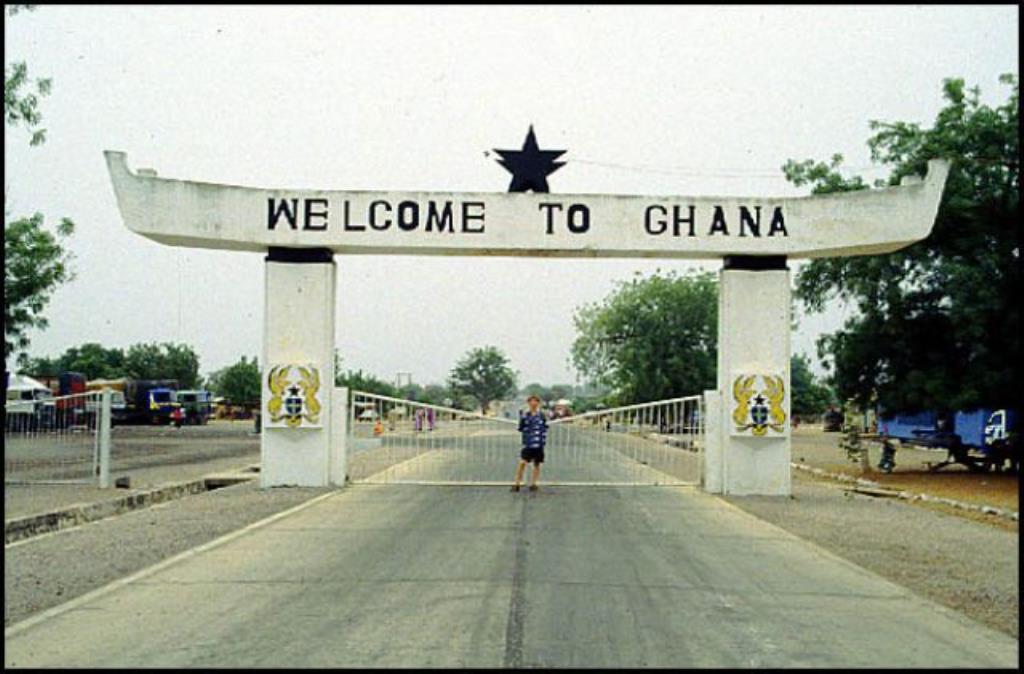
A recent study has uncovered a link between unofficial border crossings in Ghana and issues such as documentation gaps, financial hardship, and extortion. Led by Professor Elijah Yendaw of the University of Business and Integrated Development Studies (UBIDS) in Wa, the research examined the migration patterns of itinerant retailers from West African countries residing in Accra Metropolis.
The findings, detailed in a policy brief titled "Free Movement, Unapproved Routes: Closing Ghana’s Documentation, Trust and Border-Governance Gaps for West African Itinerant Traders," reveal that 58.2% of respondents utilized unapproved routes, while 41.8% employed official border crossings. All those citing documentation issues opted for unapproved routes, while 98.4% with travel documents used authorised points.
Financial constraints played a significant role, with 95.8% of those struggling to fund their journeys choosing unapproved paths. The study also documented instances of harassment and unofficial demands at official crossings, but cautioned these were participant-reported experiences and not independently verified. To manage migration effectively, the report suggests enhancing border governance, making authorised crossings safer, more transparent, and appealing.
It proposes six policy interventions, including simplifying the use of approved routes, improving access to travel documents, and establishing credible mechanisms for reporting harassment. Additionally, the study recommends improving surveillance along specific migration corridors, strengthening databases on cross-border movements, and collaborating with migrant associations and communities.
Clear communication of required documents, authorised fees, and available support channels should be provided at border posts, with information disseminated in widely spoken regional languages. Authorities are urged to involve border communities in orderly migration efforts, leveraging their knowledge for route mapping, public education, and early identification of changes in migration patterns.
Written by urgent.news from MyJoyOnline Ghana's reporting — not their text. Machine-written — may contain errors; check the original before relying on it.