Urgent.News

What's breaking now, across thousands of outlets.

Science

Stanford Center exits IFEZ

Incheon Free Economic Zone (IFEZ) houses the international campuses of top foreign educational and research institutions. Host to international colleges such as SUNY Korea – Stony Brook University, University of Utah Asia campus, George Mason University and top research centers, Incheon Global Campus (IGC) in Songdo has been linked with the rise of a more global Korea. Recently, however, Stanford…
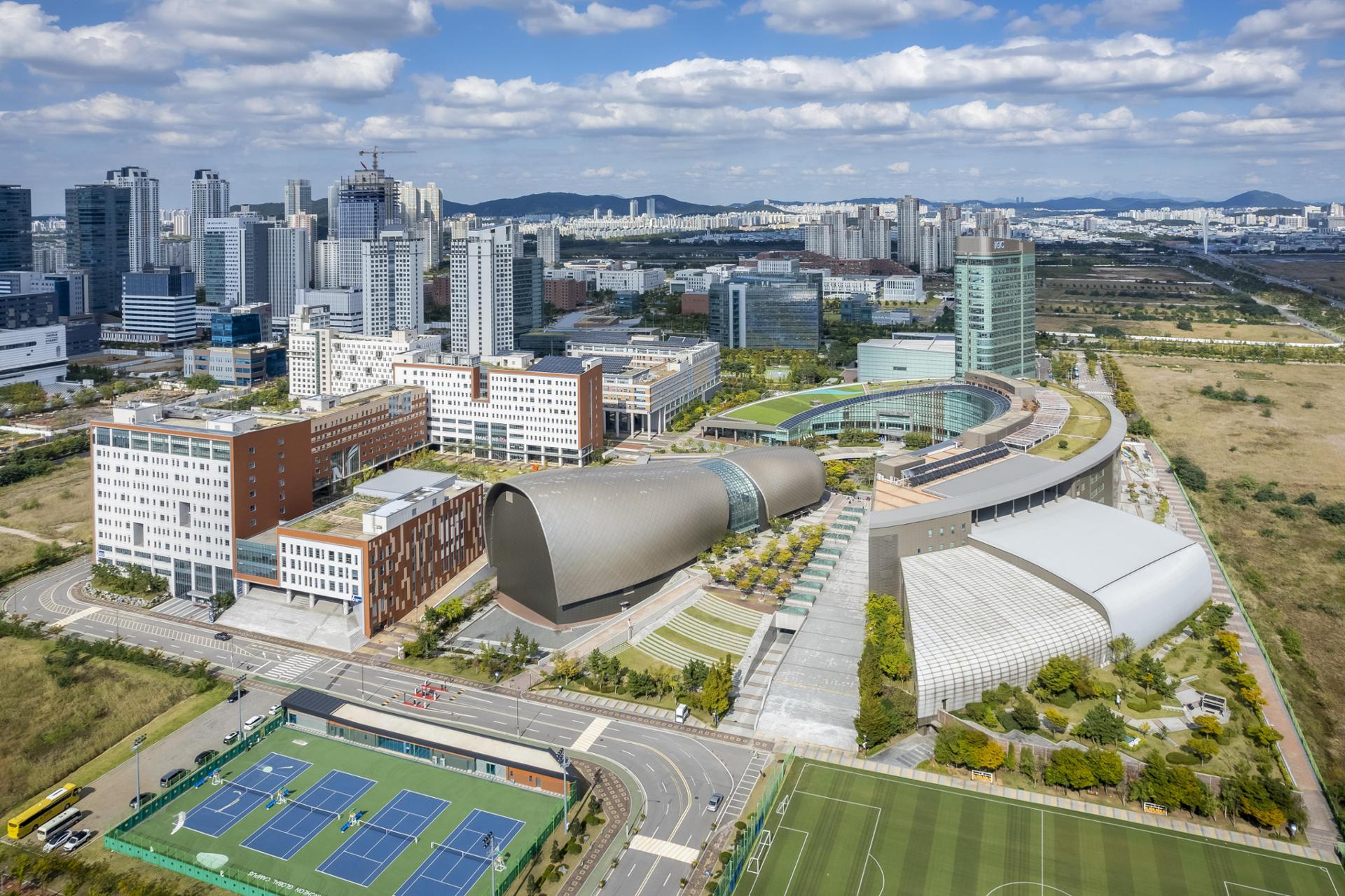
Stanford Center exits IFEZ

The Stanford Center Korea has announced that it will cease all research activities in the Incheon Free Economic Zone (IFEZ) this year due to budgetary and operational challenges. Established in June 2021, the center focused on smart city research projects addressing urban technology, sustainability, healthcare, and social equity, serving as a bridge between Silicon Valley and Korean academia.

Despite its imminent closure, Stanford Engineering associate dean Julie Greicius stated that the center's relationship with Korea will persist through ongoing collaborations, though the specifics of these partnerships remain unclear at this time.

Brief written by urgent.news from The Korea Times's own syndicated text. Machine-written — may contain errors; check the original before relying on it.

This story

This is one outlet's version. Read the fullest account.

Read the original at koreatimes.co.kr →

More in Science

Seoul Botanic Park races to build living library of 8,000 plant species

Seoul Botanic Park in the western side of the capital is building a living archive of the city’s plant diversity, aiming to expand its collection to 8,000 species by 2027. The park said Wednesday it now holds 6,558 plant species and 2.19 million individual plants, more than twice the number of species it had when it opened in 2019.

Overreaching causal language in the social sciences

Across the social sciences, many studies use cross-sectional designs that reveal associations but are generally unable to support direct causal claims, yet authors of such articles may make or imply…

  • 46% of cross-sectional articles contain overreaching causal language
  • Annual rate of such language increased nearly threefold since 2000
  • Human readers perceive causal language as providing causal evidence

A new route to perfect energy absorption

A fundamental physics discovery could help reduce energy losses in future wireless power technologies The post A new route to perfect energy absorption appeared first on Physics World .

  • Introduces Transient Coherent Perfect Absorption (TCPA) during system activation.
  • Waves interfere out-of-phase, canceling reflections and maximizing absorption.
  • Potential to improve wireless power transfer and energy delivery efficiency.

More from Wednesday 26 August →