Soil from decontamination work in Fukushima to be reused in regional cities
The government decided to begin reusing the soil for flowerbeds at buildings in Sendai in Miyagi Prefecture, and in Saitama, where central government branch offices are located.
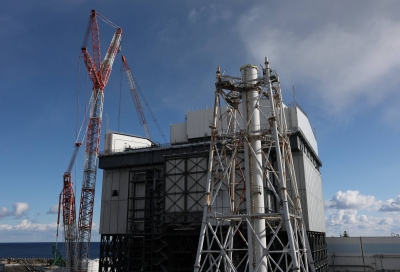
The Japanese government announced on Tuesday plans to reuse soil from decontamination efforts at the Fukushima nuclear disaster site in regional cities. At a Prime Minister's Office meeting, it was decided the soil would first be used for flowerbeds in Sendai and Saitama, both locations of central government branch offices. This marks the first time decontaminated soil will be utilized outside Tokyo, aside from demonstration projects within Fukushima Prefecture.
Chief Cabinet Secretary Minoru Kihara emphasized that this reuse is crucial for meeting the government's target of final soil disposal by 2045, urging further expansion to regional offices and improved public communication on its safety. Currently, around 14 million cubic meters of soil are stored in interim facilities in Okuma and Futaba, which house the Fukushima No. 1 plant.
The government aims to reuse about three-quarters of the soil, with relatively low radiation levels, in public works. Since last year, the initiative has already begun at the Prime Minister's Office and 12 central government buildings in Tokyo.
Written by urgent.news from Japan Times's reporting — not their text. Machine-written — may contain errors; check the original before relying on it.