Seoul Botanic Park races to build living library of 8,000 plant species
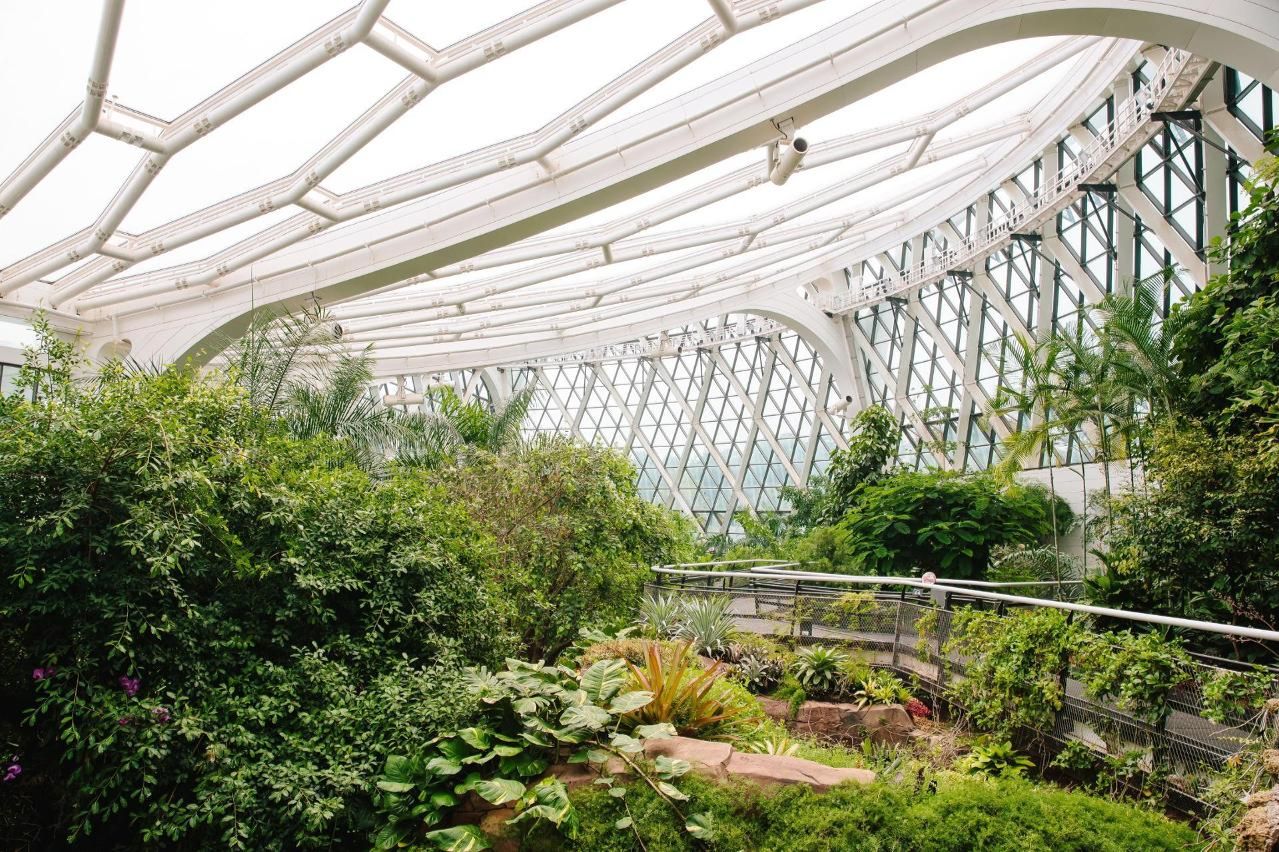
Seoul Botanic Park in the western side of the capital is building a living archive of the city’s plant diversity, aiming to expand its collection to 8,000 species by 2027. The park said Wednesday it now holds 6,558 plant species and 2.19 million individual plants, more than twice the number of species it had when it opened in 2019. The collection includes 2,133 woody plants and 4,425 ground-cover…
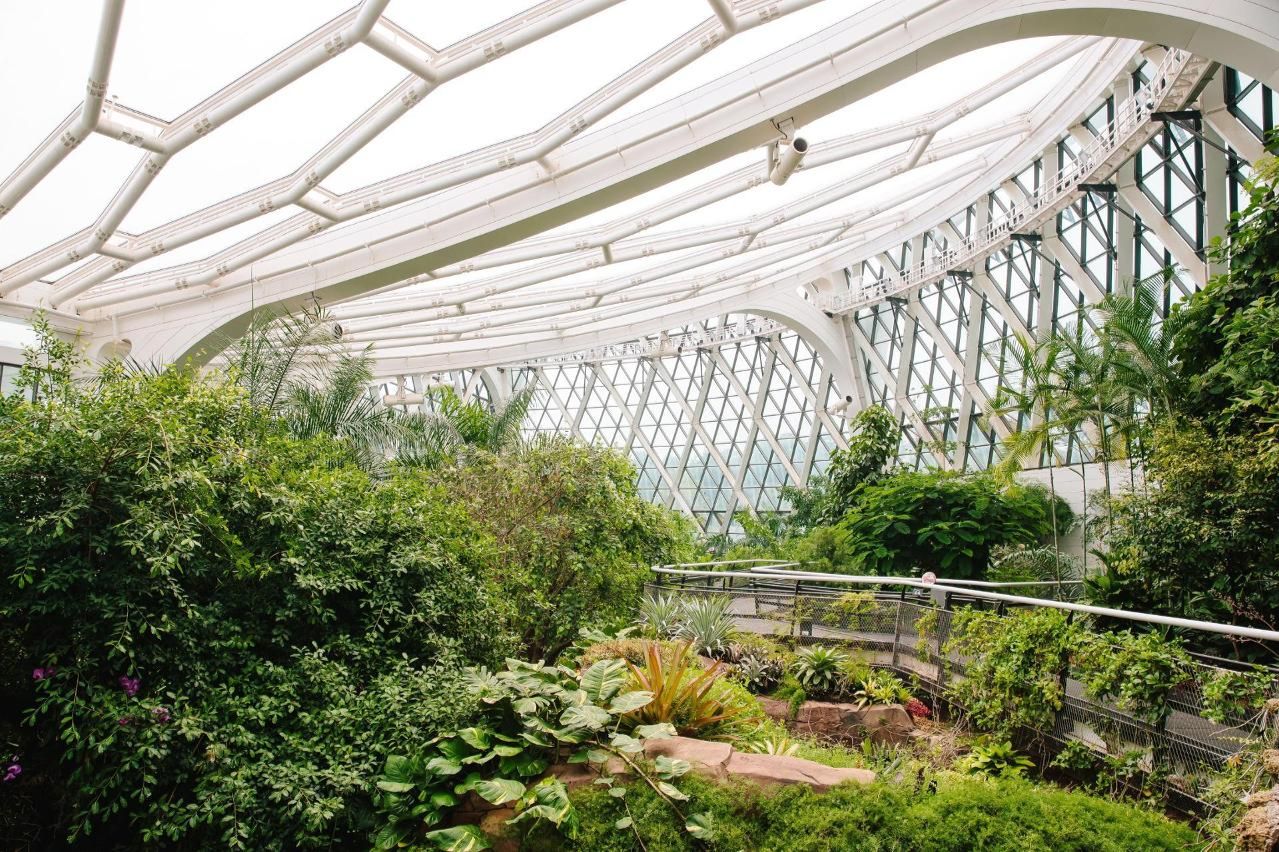
Seoul Botanic Park in South Korea is in the process of creating a living library of plant species, with the goal of reaching 8,000 different types by 2027. As of now, the park houses 6,558 plant species and 2.19 million individual plants, more than double the number when the park first opened in 2019.
The collection consists of 2,133 woody plants and 4,425 ground-cover and flowering plants. A significant portion of the collection, over 2,000 species, is organized into themed gardens, while approximately 3,400 are displayed in exhibition greenhouses.
Over the past seven years, the park has continually added to its diverse collection, acquiring a total of 3,542 species through various means. These include field collection, purchases, exchanges with local and international institutions, and seed exchanges from around the world. The park has also secured 508 species through joint surveys and collection efforts with organizations such as the National Institute of Ecology.
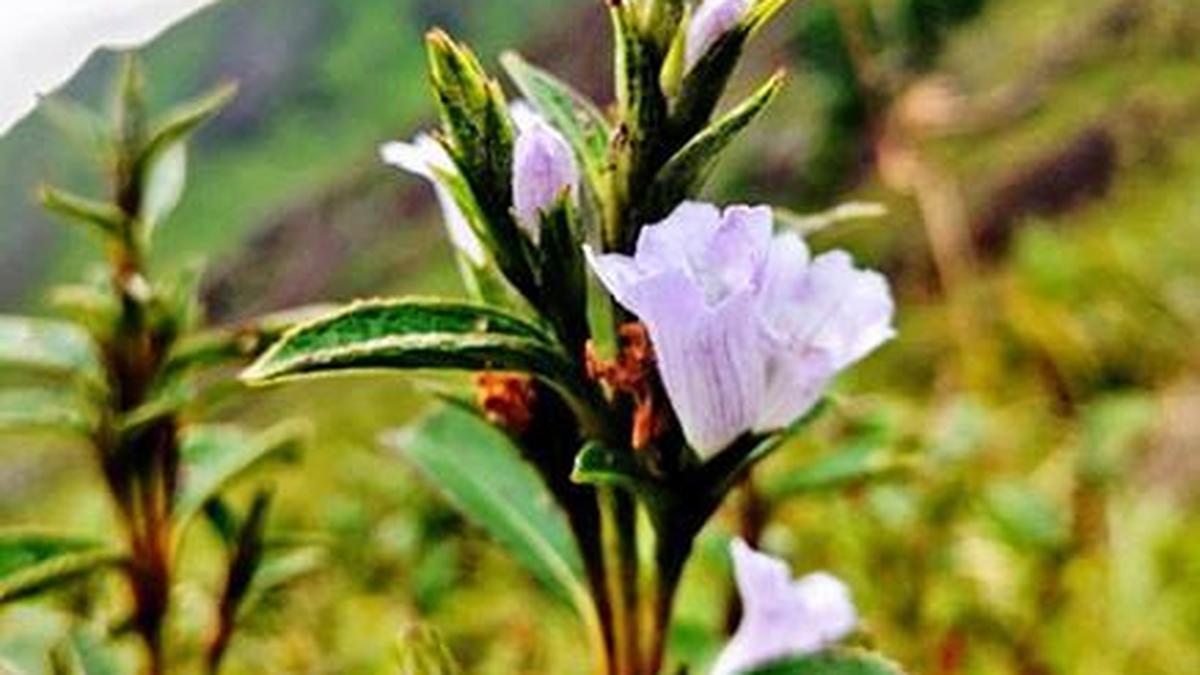
In addition, the park's Index Seminum seed exchange program has contributed 1,442 species from 22 different countries since 2020. The park is currently focusing on plants with high conservation value, including endangered species, rare and endemic ones, and those designated for protection.
Written by urgent.news from The Korea Times's reporting — not their text. Machine-written — may contain errors; check the original before relying on it.
This story
This is one outlet's version. Read the fullest account.