Scientists discover 149 new deep-sea species at remote Indian Ocean seamounts
The Indian Ocean accounts for about a fifth of global ocean area, with 90% of it reaching deeper than 1,000 meters (3,280 feet). Yet compared to the Pacific and Atlantic, its deep-sea biodiversity is relatively understudied — particularly the seamounts of the ocean’s central eastern region. An expedition that surveyed dozens of these volcanic underwater […]
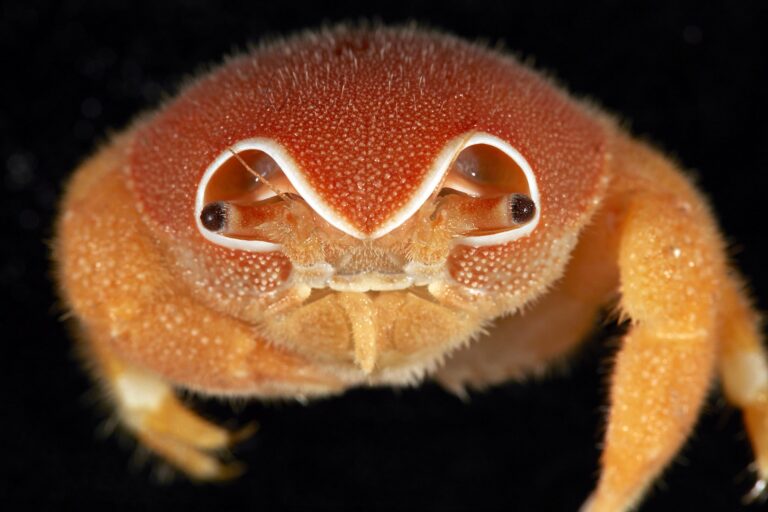
Scientists have discovered 149 previously unknown deep-sea species in the remote Indian Ocean seamounts, according to a study published in Deep-Sea Research Part II: Topical Studies in Oceanography in June. The Indian Ocean, which makes up about a fifth of the world's ocean area, has relatively little known about its deep-sea biodiversity compared to the Pacific and Atlantic oceans.
The expedition focused on the seamounts surrounding Christmas and Cocos islands, located southwest of Jakarta between Australia and Sri Lanka. Researchers explored depths ranging from 94 to 5,431 meters (308 to 17,818 feet) and mapped an abyssal seafloor dotted with volcanic seamounts, some up to 70 kilometers (43 miles) across.
Among the new species identified were a sea cucumber from the genus Oneirophanta, a fish from the greeneye family (Chlorophthalmus), and a parasitic barnacle from the genus Rhizolepas. The expedition's lead author, marine scientist Tim O'Hara from Museums Victoria in Melbourne, emphasized that the islands are so remote that the deep-sea life had never been studied before, describing it as a significant gap in the data.
Written by urgent.news from Mongabay's reporting — not their text. Machine-written — may contain errors; check the original before relying on it.