Rural India needs jobs, not wage guarantees
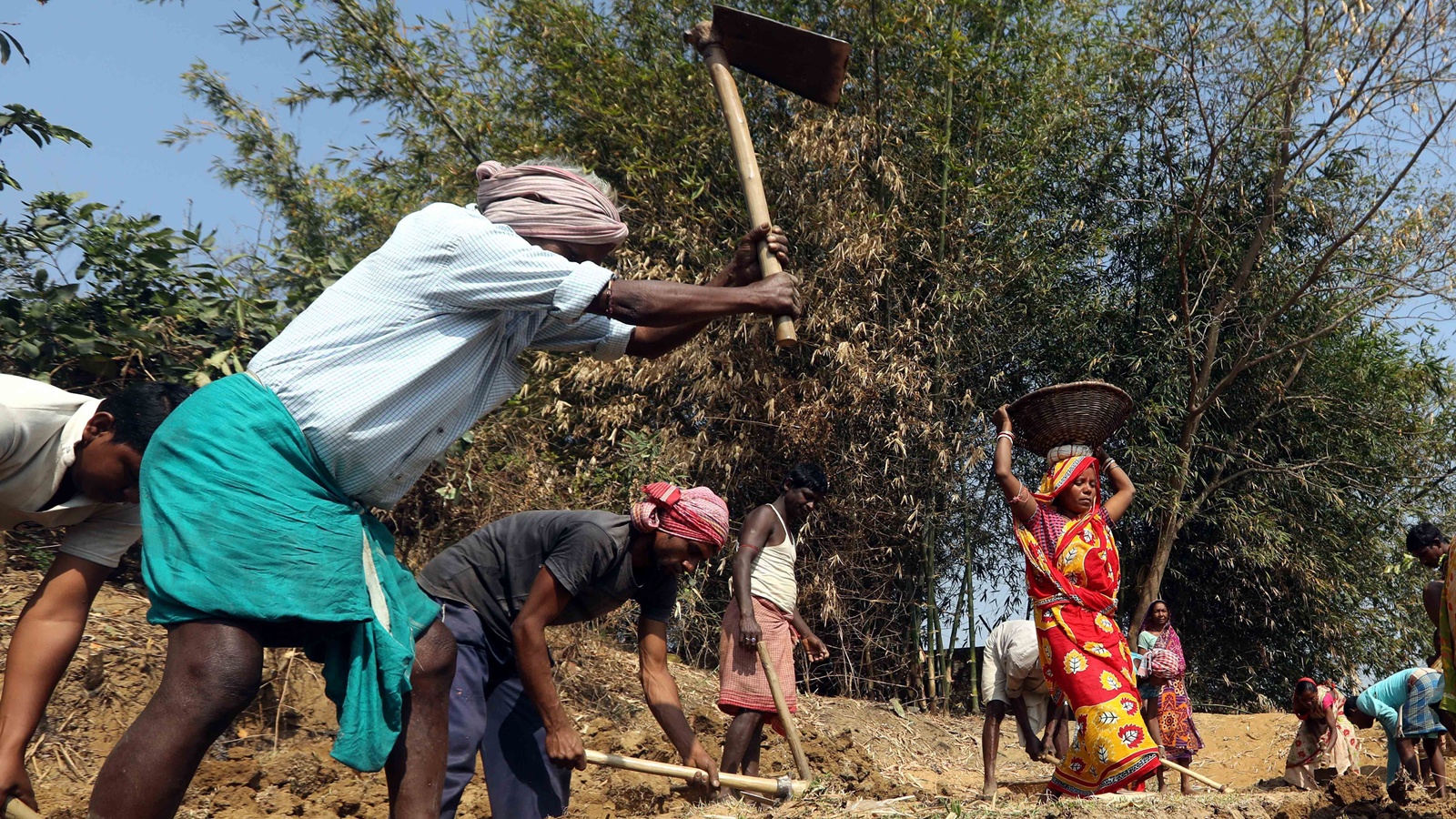
Recent reports indicate a significant decline in employment generated by the Viksit Bharat-Guarantee for Rozgar and Ajeevika Mission (VB-G RAM-G), a program launched last year aimed at providing 125 days of rural wage employment, faster payments, and a technology-enabled system. While the scheme is the world's largest public-works programme, backed by a budget of Rs 95,692 crore, the initial dip in numbers raises a more crucial question: Is a wage-guarantee model the appropriate tool for rural India in 2026?
Public employment guarantees have a long history, from the United States during the Great Depression to emperors who commissioned public works. In India, wage guarantees were a lifeline when manufacturing was underdeveloped, and the services sector was predominantly urban. However, the India of 2026 presents a different scenario, with sustained industrial growth, a rapidly diversifying rural non-farm sector, and a digital economy reaching deeper into villages than ever before.
Rural users now constitute the majority of the country's internet users, and rural FMCG demand is growing at a much faster rate than urban demand.
The rural population in India is substantial, accounting for nearly two-thirds of the country's young people. The question is whether a wage-guarantee model, despite its well-designed structure, is the most effective instrument for rural India in 2026. The focus should shift from creating more days of wage labour to developing genuine, sustainable employment in sectors that align with rural India's comparative advantage.
Food processing and renewable energy are examples of sectors with significant growth potential, utilizing local resources, labor, and increasing global connectivity.
Strengthening rural manufacturing and service industries, such as textiles, farm equipment, healthcare devices, renewable-energy components, construction materials, and consumer goods, offers a viable alternative to traditional public-works schemes. Rural healthcare, agri-logistics, and small-scale manufacturing also present opportunities for large-scale rural employment.
The emphasis should be on capital, skilling, and market linkages rather than manual labour opportunities. While income support for vulnerable households remains essential, it should no longer be the primary mechanism for rural employment policy.
The next iteration of India's rural employment architecture must not merely refine the existing idea but rather revamp the concept itself. Wages provide short-term relief, but jobs will shape the nation's future workforce. Viksit Bharat will eventually outgrow its reliance on wages as a welfare measure and demand productive employment opportunities.
Written by urgent.news from The Indian Express's reporting — not their text. Machine-written — may contain errors; check the original before relying on it.