Researchers get two genetic codes to work at the same time
Messing with the genetic code might have gotten a bit easier to do.
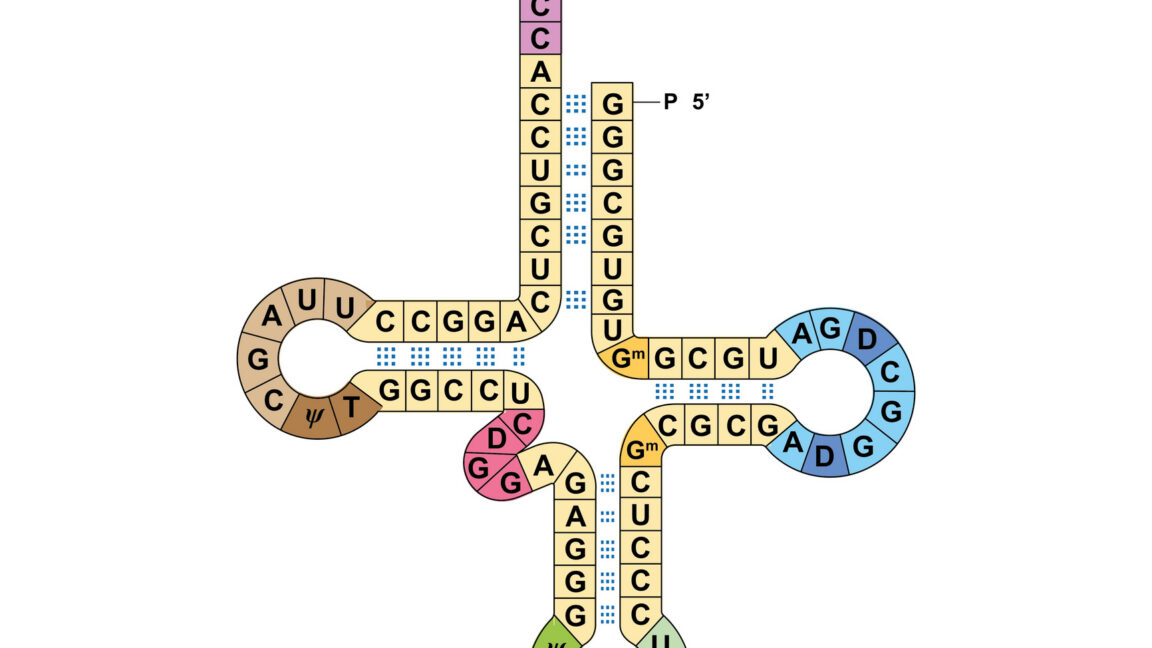
The genetic code serves as the universal language for translating DNA information into proteins across all living organisms on Earth. This code remains remarkably consistent, indicating its origins in the ancestral cell of life. Altering this code is a formidable challenge due to the extensive reliance on it within cellular structures.
However, scientists have made progress in adding new amino acids to bacterial cells, enabling the production of shorter proteins. This process often necessitates the complete redesign of a bacterial genome. Recently, researchers have achieved a significant breakthrough by enabling the coexistence of two distinct genetic codes within a single system, circumventing the need for extensive genomic modifications.
Although the experiment has not been executed in a live cell and could potentially pose risks, this innovative approach promises to streamline synthetic biology endeavors.
Written by urgent.news from Ars Technica Science's reporting — not their text. Machine-written — may contain errors; check the original before relying on it.
Also reported by 1 other outlet
- Researchers get two genetic codes to work at the same time arstechnica.com