Researchers get two genetic codes to work at the same time
Messing with the genetic code might have gotten a bit easier to do.
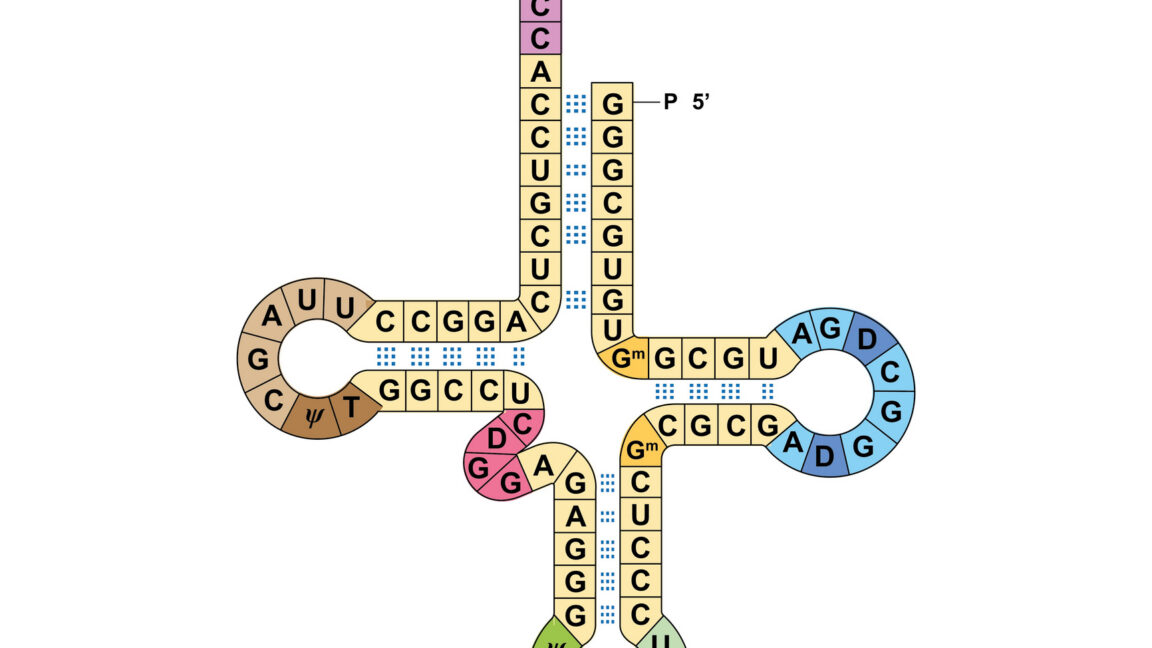
Genetic code is the universal language used by all life forms on Earth for converting DNA information into unique protein sequences. Despite its ubiquity, altering this code is a daunting task as numerous cellular components are intricately dependent on it. However, researchers have taken tentative strides in this direction. They have successfully introduced new amino acids into bacterial cells and produced proteins with one less amino acid than typical. Nonetheless, this process involves significant re-engineering of entire bacterial genomes.
In a groundbreaking development, scientists have now managed to operate two distinct genetic codes concurrently in a cell. This innovation sidesteps the requirement for compensatory modifications to the code that every cell protein relies on. Although they have not tested this dual-genetic code system within a living cell, the potential implications for synthetic biology research are promising.
Despite the theoretical feasibility, practical implementation in a biological setting could potentially pose challenges. Nonetheless, this creative approach is expected to expedite advancements in the field.
Written by urgent.news from Ars Technica's reporting — not their text. Machine-written — may contain errors; check the original before relying on it.
This story
This is one outlet's version. Read the fullest account.
- Researchers get two genetic codes to work at the same time arstechnica.com