Polluted waterways and water shortages complicate the fight against Ebola in the DRC
In Ndrele, a commercial center in Ituri with nearly 40,000 inhabitants, there is virtually no access to safe drinking water. Children leave home at 5:30 a.m. to fetch water for their families and often spend hours doing this activity. They usually don’t return before 11 a.m. or noon. “It’s a serious problem, and it’s the […]
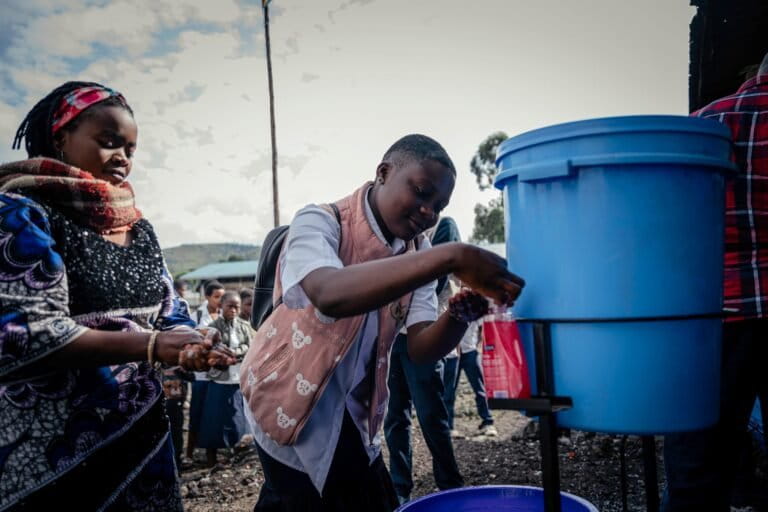
In the Ituri province of the Democratic Republic of Congo (DRC), polluted waterways and water shortages are exacerbating the fight against the Ebola outbreak. Ndrele, a commercial center with nearly 40,000 inhabitants, suffers from a lack of access to safe drinking water. Children as young as five years old begin their daily water collection journey at 5:30 a.m., often returning home well after noon.
This water scarcity is a recurring issue across Ituri, as stated by Jacques Pithua, deputy coordinator of the civil society group "Forces vives des Djukoth."
When the DRC declared its 17th Ebola outbreak in May 2026, health authorities recommended regular handwashing and other preventive measures. However, clean water remains a significant challenge in many parts of Ituri. The current Ebola outbreak is the largest in terms of case numbers for the DRC, with over 5,000 recorded cases and more than 2,400 deaths in just three months.
This rapid spread has prompted health agencies, including the Africa CDC, to adjust their strategy. A joint response plan now includes an assessment and strengthening of water, sanitation, and hygiene services within communities, as well as training programs.
Oxfam, a confederation of NGOs, has expressed concern over the lack of access to safe water and adequate sanitation facilities in the hardest-hit areas. They warn that most health facilities in these regions still struggle to provide these essential services. The intertwined issues of polluted waterways and water shortages significantly complicate the ongoing battle against Ebola in the DRC.
Written by urgent.news from Mongabay's reporting — not their text. Machine-written — may contain errors; check the original before relying on it.