Plug-in solar panels are coming to a shop near you - here's what to know
The UK government claimes panels could help homes "significantly cut" energy bills.
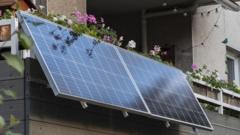
Plug-in solar panels are set to become available for purchase at DIY shops and High Street retailers in the UK, following changes in government rules. These panels are priced significantly lower than traditional roof-mounted solar panels and can be installed without the need for an electrician. They are ideal for properties with outdoor space, such as balconies.
Retailers like Argos are expected to stock these products from Thursday onwards, with the government anticipating that more shops will follow suit. The UK government believes that plug-in solar panels can help households save money on energy bills and reduce reliance on foreign fuel sources, which have experienced price fluctuations recently due to the Middle East conflict.
While plug-in solar panels are less expensive than traditional roof panels, they generate less power and offer a more affordable entry point for solar energy. A one-panel kit costs £699, while a two-panel kit is available for £1,089, according to UK solar company UKSOL. The government expects prices to stabilize between £400 and £600 as competition increases and more products enter the market.
Households can save between £70 and £110 annually on their energy bills, depending on the panel's orientation and usage duration. Panels should be installed in a south-facing spot without shading for optimal performance. However, unlike rooftop solar panels, plug-in systems do not require certification under the Microgeneration Certification Scheme (MCS) and will not qualify for the Smart Export Guarantee, which pays customers for excess solar power.
The panels limit their output to 800 watts to ensure safety, which is sufficient to power essential appliances like fridges and devices left on standby. The government asserts that these panels should cover about a fifth of an average household's electricity needs while the sun is shining.
Although plug-in panels won't power a home entirely, they can significantly reduce electricity costs during daylight hours. British Gas states that they can meaningfully lower the electricity a household needs to buy during the day. Government tests have confirmed that these systems can operate safely without causing heating issues or unsafe energy flows. Each device comes with a microinverter that constantly monitors the grid connection and shuts down instantly if there's a power cut or if the panel is unplugged.
The government requires new panels to meet industry safety standards and their own product specifications before they can be legally sold in the UK. Consumers should purchase from established retailers and check the Energy Networks Association's public register for compliance. Electrical Safety First advises buyers to stick to trusted retailers and avoid third-party sellers on online marketplaces to reduce potential risks.
Safety experts recommend having a licensed electrician inspect the home's electrical system before purchasing plug-in solar panels, especially in older properties with uncertain wiring conditions. It is essential not to connect the panels using extension leads, cable reels, or plug-in adaptors, as these can overheat. Homeowners must inform their Distribution Network Operator (DNO) within 28 days of installing the panel, as this is the entity responsible for the area's electricity cables. The DNO is distinct from the energy provider.
Written by urgent.news from BBC News's reporting — not their text. Machine-written — may contain errors; check the original before relying on it.
This story
This is one outlet's version. Read the fullest account.