Plug-in solar panels are coming to a shop near you - here's what to know
The UK government claimes panels could help homes "significantly cut" energy bills.
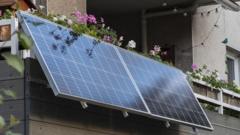
Plug-in solar panels will soon be available for purchase at DIY shops and High Street retailers in the UK, thanks to recent changes in regulations. These panels are expected to be more affordable than traditional roof-mounted solar panels and easier to install, making them accessible to homeowners with outdoor spaces, even balconies. Major retailers like Argos are set to stock these products starting Thursday.
The government anticipates that plug-in solar panels will assist households in saving money and decreasing their dependence on fluctuating overseas fuel prices, which have recently been affected by Middle East conflicts. Consumers are advised to have their electrical systems inspected by a professional to ensure safety before purchasing these panels.
The government hopes that these plug-in panels will provide a more cost-effective entry point to solar energy compared to traditional roof installations, although the savings generated will be lower due to reduced energy production.
One-panel kits will be priced at £699, with a two-panel kit costing £1,089 according to UK solar company UKSOL. As competition rises and more products become available, it is anticipated that prices will stabilize between £400 and £600. UK research indicates that households could save between £70 and £110 annually on their energy bills, depending on panel orientation and usage patterns.
The panels are most effective when installed in an unshaded south-facing location. To maximize benefits, households using energy during daylight hours will see the greatest savings, as the electricity must be consumed immediately.
Unlike conventional rooftop solar panels, plug-in systems do not require certification under the Microgeneration Certification Scheme (MCS) or eligibility for the Smart Export Guarantee, which compensates homeowners for excess solar power. This ensures a safer, more modest approach to solar energy generation. While the kits may include panels capable of generating more power, the microinverter will cap the output at 800 watts for the home.
This capacity is sufficient to power essential appliances such as refrigerators and devices on standby, contributing to approximately one-fifth of an average household's electricity needs during daylight hours.
Written by urgent.news from BBC Business's reporting — not their text. Machine-written — may contain errors; check the original before relying on it.
This story
This is one outlet's version. Read the fullest account.