PARLIAMENT: Didiza survives no-confidence vote, but questions remain over Parliament’s authority
The defeat of the EFF no-confidence motion against the National Assembly Speaker, Thoko Didiza, was predictable. More unexpected was how Wednesday’s debate underscored concerns across party political lines about Parliament’s institutional independence and how it conducts its business.
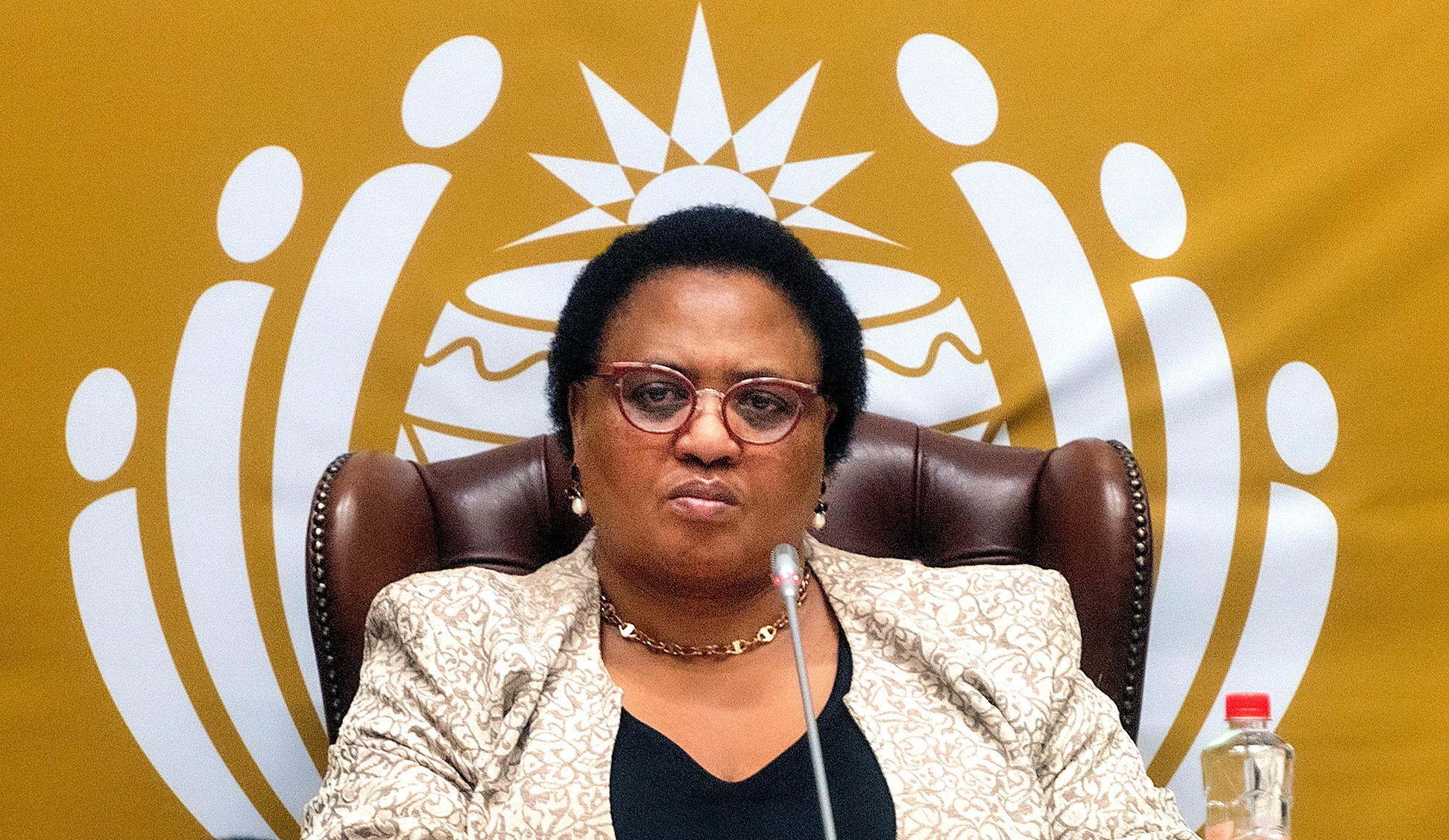
The no-confidence vote against National Assembly Speaker Thoko Didiza failed to succeed, leaving her in office despite widespread concerns about Parliament's authority. EFF leader Julius Malema expressed strong disapproval of Didiza's actions, stating that she showed bias and was unfit to preside over a legislature. The debate centered on Didiza's rejection of her own legal team's advice to challenge the interdict that prevented parliamentary impeachment proceedings.
This decision raised questions about her commitment to defending Parliament's independence and authority. DA MP Glynnis Breytenbach pointed out that Parliament must defend its own constitutional authority and independence when challenged, while ACDP MP Steve Swart claimed that the Speaker's failure to oppose the interdict was a dereliction of duty.
The voting session was marked by chaos and points of order, but the final result left Didiza in her position. The broader implications of this incident remain unresolved, highlighting ongoing concerns about Parliament's institutional authority and its responsibility to hold the executive accountable.
Written by urgent.news from Daily Maverick's reporting — not their text. Machine-written — may contain errors; check the original before relying on it.
This story
This is one outlet's version. Read the fullest account.