North Korea sharpens anti-Japan rhetoric as Russia ties grow
North Korea has stepped up its verbal attacks on Japan, issuing more than a dozen denunciations through state media since early July and hardening its rhetoric in recent days by accusing Tokyo of whipping up a “neo-militarist frenzy” and preparing for a “war of aggression”. Analysts said the latest broadsides from Kim Jong-un’s regime reflected both renewed confidence in Pyongyang as ties with…
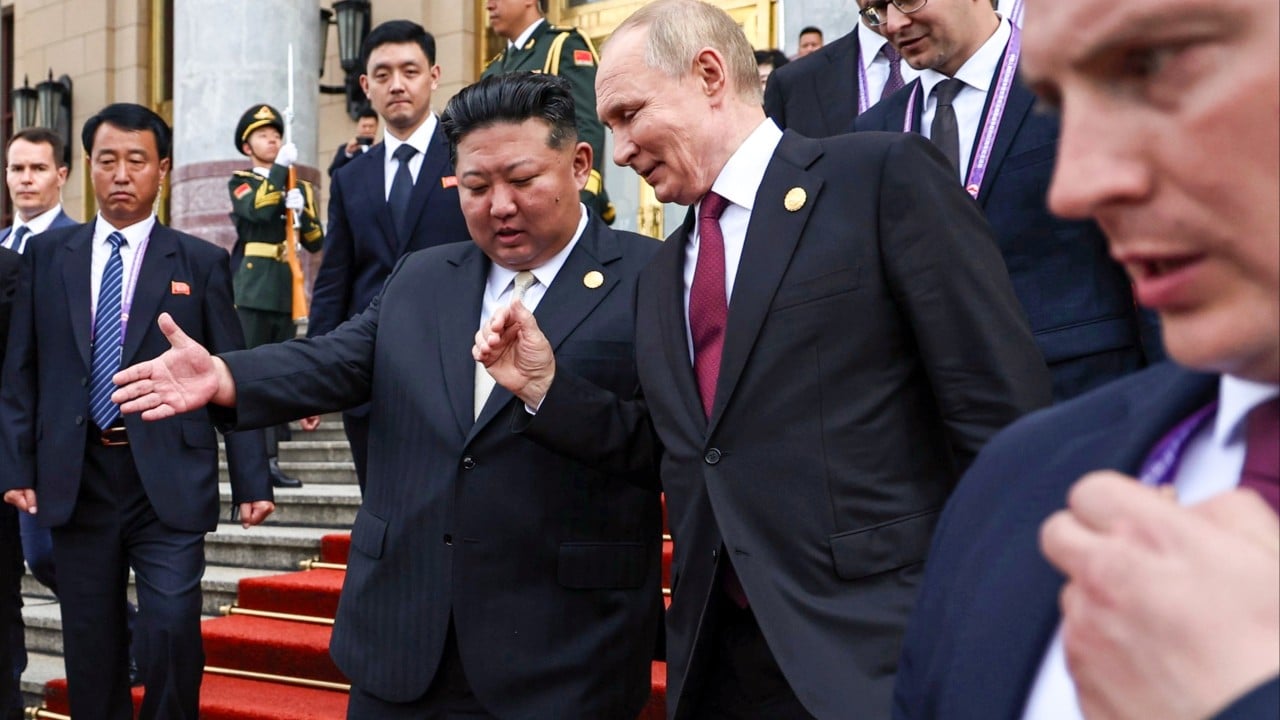
North Korea has intensified its anti-Japan rhetoric, issuing over a dozen denunciations through state media since early July. Analysts suggest this heightened hostility reflects Pyongyang's growing confidence due to deepening ties with Russia, as well as a desire to frame the Asia-Pacific region as a contest between rival blocs, reminiscent of the Cold War's NATO-Warsaw Pact alignment.
The attacks stem from tensions across the region, with North Korea forging closer security and economic links with Russia, China clashing with Japan, and Japan bolstering its defense in response to perceived threats. Andrei Lankov, a Russian-born history and international relations professor at Seoul's Kookmin University, notes that both Russia and China have strained relations with Japan, making North Korea keen to join in criticizing Tokyo.
The regime views Japan as a suitable "evil enemy" to complain about, helping to promote the narrative of being part of a formidable military bloc. This narrative may not materialize soon but Pyongyang will continue to launch provocations to unsettle Tokyo. On Monday, the Korea Central News Agency (KCNA) accused Japanese politicians of harboring militaristic ambitions after they visited the Yasukuni Shrine, which honors war criminals.
KCNA also claimed Prime Minister Sanae Takaichi was plotting to achieve "overseas expansion," warning a "neo-militarist frenzy" would bring destruction to Japan. Two days earlier, KCNA accused Japan of planning a "war of aggression" following reports of a record 8.9 trillion yen defense budget for 2027, labeling it a "dangerous move" that would cause turmoil in the region and the world.
The North's verbal offensive coincided with Russian President Vladimir Putin's visit to the disputed Kuril Islands on August 13, prompting a diplomatic protest from Japan. Russia shrugged off the protest and conducted naval exercises in the area, including live-fire anti-ship missile drills. "This is a very good time for North Korea, as they were isolated for so long but now have stronger ties with Russia," says James Brown, a Temple University professor specializing in Russian affairs.
"They would like to see a three-way bloc form to counter Japan, South Korea, and the US, but I do not see that happening." South Korean officials warn Pyongyang may deploy additional troops to support Russia's war in Ukraine, and Putin is scheduled to visit Vladivostok from September 1 for the Eastern Economic Forum, which Kim Jong-un attended in 2023.
A report by 38 North suggests the forum could offer Putin and Kim an opportunity to meet at a new road bridge being constructed across the Tumen River, symbolizing deepening military and economic ties.
Written by urgent.news from South China Morning Post's reporting — not their text. Machine-written — may contain errors; check the original before relying on it.
Also reported by 3 other outlets
- North Korea to ‘bring joy’ to Kim with 100 athletes at Asian Games hongkongfp.com
- U.S. says it’s committed to North Korea’s ‘denuclearization’ after talks omit key phrase japantimes.co.jp
- North Korea to ‘bring joy’ to Kim with 100 athletes at Asian Games freemalaysiatoday.com