Nigeria: Nigeria Health Watch Launches Tracker to Hold 2027 Candidates Accountable for Health Promises
[Premium Times] With Nigeria's 2027 general elections approaching, health advocates are pushing for healthcare to become a more prominent issue in political campaigns and manifestos.
Ahead of Nigeria's 2027 general elections, health advocates are pushing for healthcare to receive greater attention in political campaigns and manifestos. Nigeria Health Watch has introduced a tracker to monitor and evaluate healthcare pledges made by political parties and candidates, aiming for clearer and quantifiable commitments to the nation's health sector.
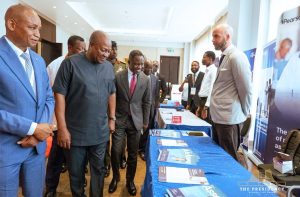
The organization launched the Health Manifesto Tracker in Abuja during a meeting themed "Driving Accountability and Citizen Engagement Ahead of Nigeria's 2027 Elections." The tracker will document, analyze, and monitor health commitments made by political parties and candidates in the lead-up to the elections. Solomon Oladimeji, Senior Manager of Monitoring and Evaluation at Nigeria Health Watch, explained that the tracker would capture health-related promises made during the election period and provide a basis for assessing whether they were specific, measurable, and achievable.
The implementation of these commitments would be tracked post-elections using publicly available government data, dashboards, advocacy efforts, and other sources. The tracker would also enable citizens to submit feedback and inquiries about health commitments made by political actors. The Health Sector Renewal Investment Initiative, for instance, committed to revitalizing 17,000 primary healthcare centers, with progress and the number of facilities revitalized potentially assessed through publicly available dashboards and other evidence sources.
Inadequate government investment in healthcare remains a significant challenge to improving Nigeria's health outcomes, with the sector receiving only 3.7% of the 2026 national budget, well below the 15% target set by African governments under the 2001 Abuja Declaration. State governments allocated an average of about 5.2% of their budgets to health, while actual expenditure was lower.
Nigeria's poor health outcomes, including high maternal and under-five mortality rates, underscore the consequences of insufficient political commitment to healthcare. Asari Ndem, Senior Communications Officer at Nigeria Health Watch, emphasized that the period leading to the 2027 elections offers Nigerians an opportunity to demand concrete commitments from political aspirants.
The organization's #Vote4HealthNaija campaign aims to make health a key issue in the general elections, encouraging citizens, the media, civil society organizations, and political actors to prioritize healthcare.
Written by urgent.news from AllAfrica Health's reporting — not their text. Machine-written — may contain errors; check the original before relying on it.
This story
This is one outlet's version. Read the fullest account.