New York teen finds way to block cancer-driving protein's harmful signalling
A student from New York has pioneered a groundbreaking technique aimed at halting the growth of cancer cells. This research focuses on a crucial protein linked to the rapid development of tumors. By inhibiting the harmful activity of this protein, her method preserves the viability of healthy cells. She gained national acclaim as a finalist in a prestigious science competition, illuminating a…

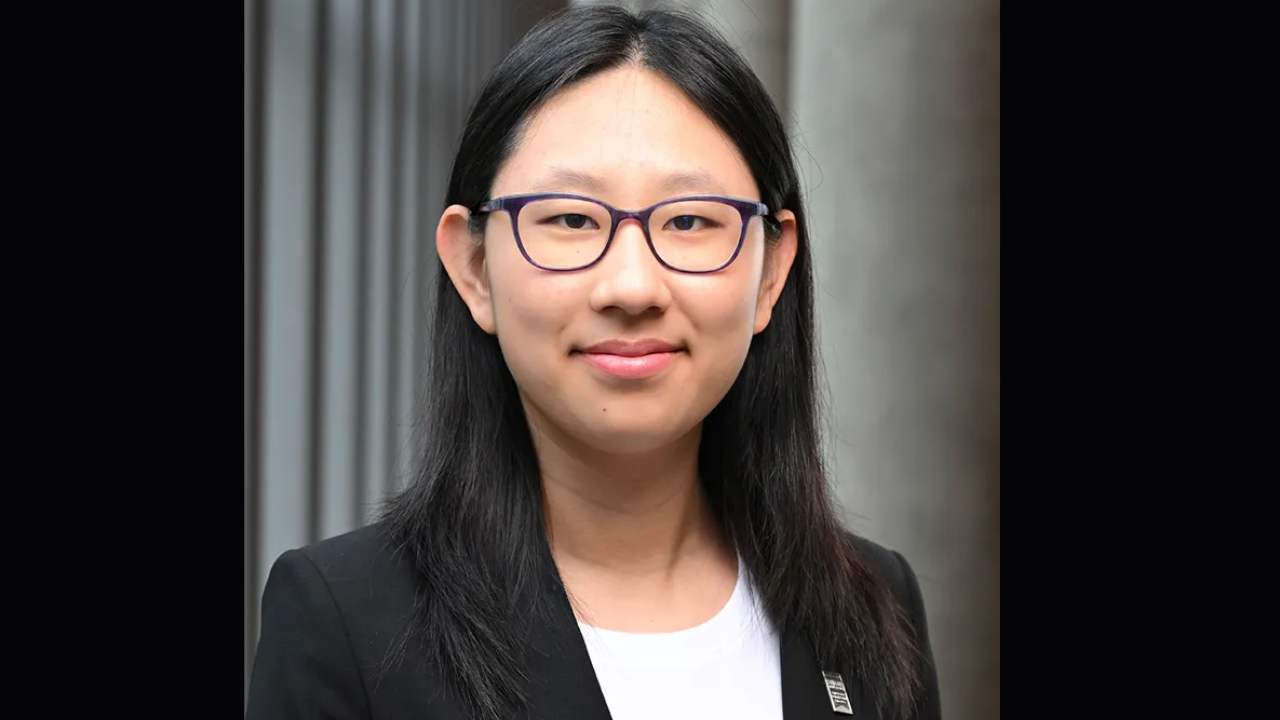
Seventeen-year-old Ashka Shah, a student at Jericho High School on Long Island, has devised a method to prevent cancer cells from proliferating, earning her national attention for addressing a key issue in cancer research. Her innovative approach targets a crucial cancer-driving protein, beta-catenin, without disrupting its vital roles in healthy cells.
This groundbreaking discovery places Shah among the 40 finalists in the prestigious 2026 Regeneron Science Talent Search, one of the oldest and most respected science and mathematics competitions for American high school students.
The Wnt signalling pathway, integral to normal cell growth, stem cell maintenance, and tissue repair, becomes problematic when mutations arise in the beta-catenin protein, a key component. This leads to an overaccumulation of beta-catenin in the cell nucleus, which then activates cancer-promoting genes, particularly in liver and colorectal cancers. Due to beta-catenin's dual nature in the body, researchers have found it challenging to pinpoint and target only the harmful aspects of the protein.
Shah's research delves into the process by which mutant beta-catenin enters the cell nucleus and triggers cancer growth. She discovered that a helper protein, Gid8, assists mutant beta-catenin in crossing the nuclear boundary, where it initiates gene activation linked to cancer development. Utilizing fruit fly models, cultured human liver cancer cells, and molecular binding experiments, Shah identified a specific section of the beta-catenin protein that interferes with this process.
By introducing a targeted peptide, she successfully inhibited the Gid8-assisted transport system, effectively preventing mutant beta-catenin from reaching the nucleus and driving uncontrolled cell growth, all while maintaining the protein's essential structural role in healthy tissue.
Titled "Selective Dual Inhibition of beta-Catenin in Wnt-Driven Cancers via Gid8-Assisted Translocation and a Precision Peptide-Based Gene Therapy," Shah's project offers a promising avenue for precision cancer treatment. With her research selected as one of the 40 national finalists from over 2,600 applicants, Shah will receive at least $25,000, with top awards potentially reaching $250,000.
The final judging will take place in Washington, D.C. Shah's academic and community involvement extends beyond research, including her role as the president of Jericho High School's Medical Minds Club, captain of the varsity fencing team, and her participation in local community service projects.
Written by urgent.news from Times of India's reporting — not their text. Machine-written — may contain errors; check the original before relying on it.