NASA Set Up a Major Test of Its New Strategy Under Trump by Hiring a Startup to Launch a Daring Mission to Rescue a Dying Space Telescope in Orbit. The Unfortunate Result Will Have Long-Ranging Repercussions.
This is not the outcome we were working toward, but it does not change why this mission was worth attempting." The post NASA Set Up a Major Test of Its New Strategy Under Trump by Hiring a Startup to Launch a Daring Mission to Rescue a Dying Space Telescope in Orbit. The Unfortunate Result Will Have Long-Ranging Repercussions. appeared first on Futurism .
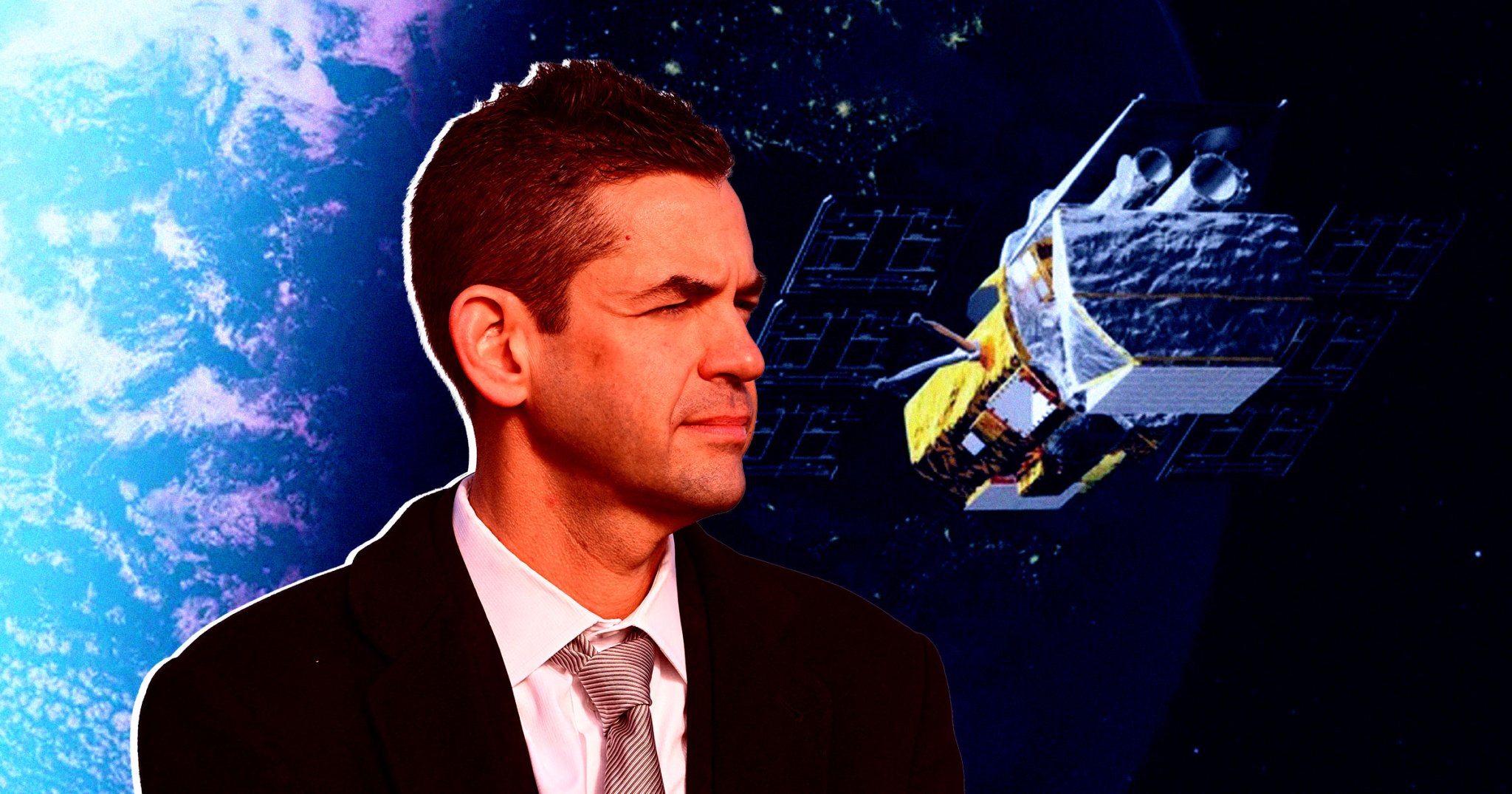
In June 2024, NASA, now under the leadership of its former astronaut CEO Jared Isaacman, embarked on a high-risk mission to rescue the aging Swift observatory. The initiative involved contracting Katalyst Space Technologies to launch an autonomous robotic spacecraft named "LINK." The plan was to have LINK rendezvous with Swift and give it a boost to stabilize its orbit, a strategy similar to the one Isaacman had previously proposed for the Hubble Space Telescope.
However, the mission spiraled into chaos shortly after its launch. LINK began tumbling uncontrollably, forcing NASA to abandon the operation. As a result, Swift is now on track to burn up in Earth's atmosphere later this year. The failure underscores a significant shift in NASA's operational style under Isaacman's leadership, moving from a cautious, deliberative approach to a more agile, albeit less cautious, strategy—mirroring SpaceX's "fly, fail, fix" approach.
Isaacman defended the mission, emphasizing the potential long-term benefits for satellite servicing, despite the mission's tragic end. Meanwhile, NASA has been aggressively reducing its science budget, except for the highly anticipated Nancy Grace Roman Space Telescope, which is set to launch on August 30.
Written by urgent.news from Futurism's reporting — not their text. Machine-written — may contain errors; check the original before relying on it.

