Nanoparticles ease Alzheimer’s by making neurons from other cells
A drug made up of a cage of nanoparticles and antibodies created neurons from another type of brain cell, which relieved symptoms of Alzheimer's disease in mice
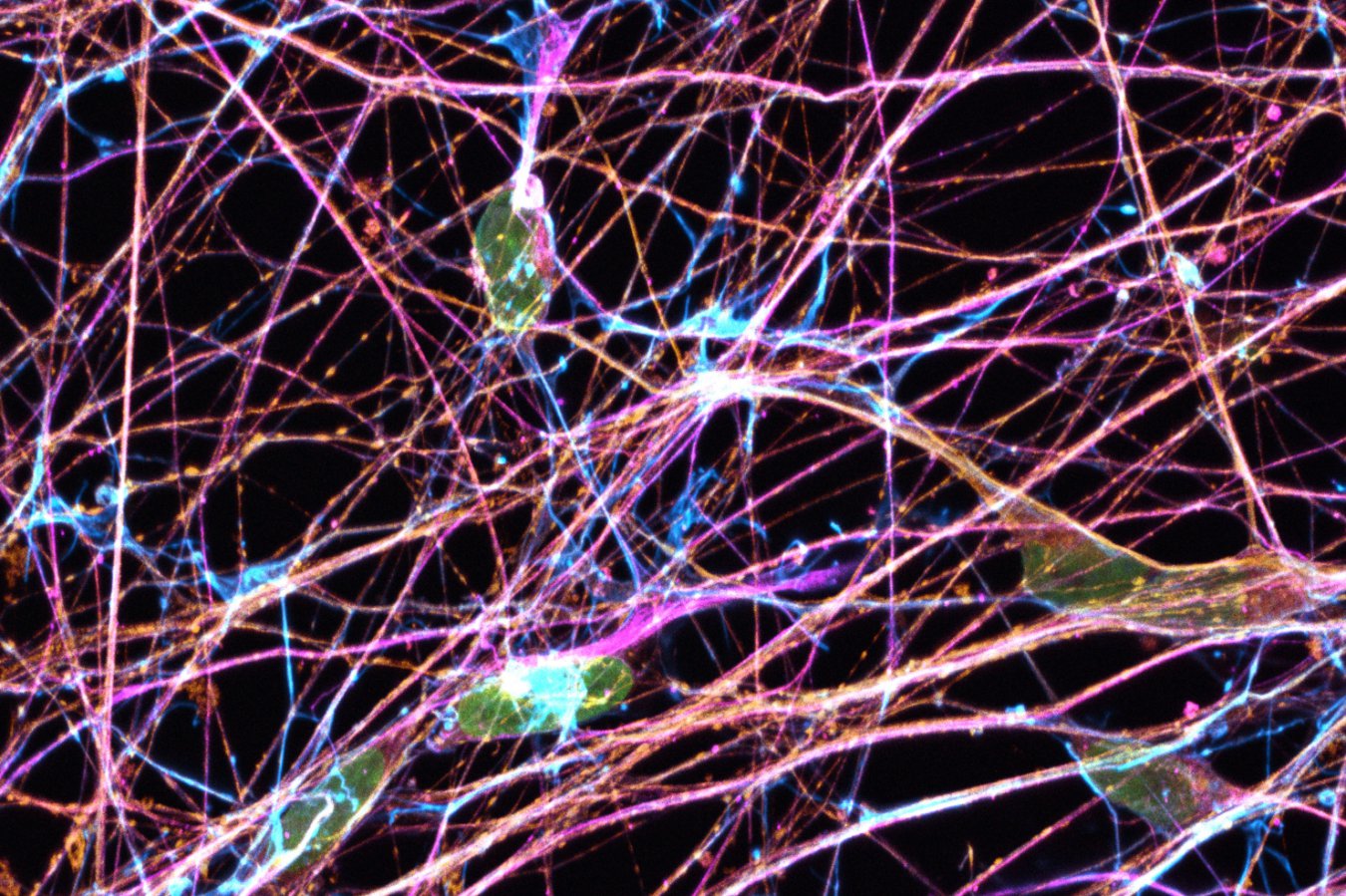
Neurons have been created from astrocytes, a different type of brain cell, in mice with a version of Alzheimer's disease. Alzheimer's is characterized by the misfolding and clumping of proteins beta-amyloid and tau, which leads to neuroinflammation and nerve cell death. Researchers at the University of South Carolina have developed a nanoparticle-based drug to convert astrocytes into neurons in mice with this condition.
This treatment improved the mice's cognitive skills, including their ability to build nests and navigate mazes. The drug, called TN-PTBP1, works by depleting a protein called PTBP1, which typically prevents astrocytes from turning into neurons. By packaging PTBP1-targeting antibodies within nanoparticles, TN-PTBP1 can cross the blood-brain barrier and enter brain cells.
Researchers tested the drug in brain organoids grown from human stem cells, finding that it successfully converted astrocytes into neurons. In mice with Alzheimer's-like conditions, those injected with TN-PTBP1 showed improvements in nesting and maze navigation skills compared to mice receiving a placebo.
Written by urgent.news from New Scientist's reporting — not their text. Machine-written — may contain errors; check the original before relying on it.