Mark Cuban wants companies to give their employees more stock. Could that narrow the divide between the bottom and the top?
Also: All the news and watercooler chat from Fortune.
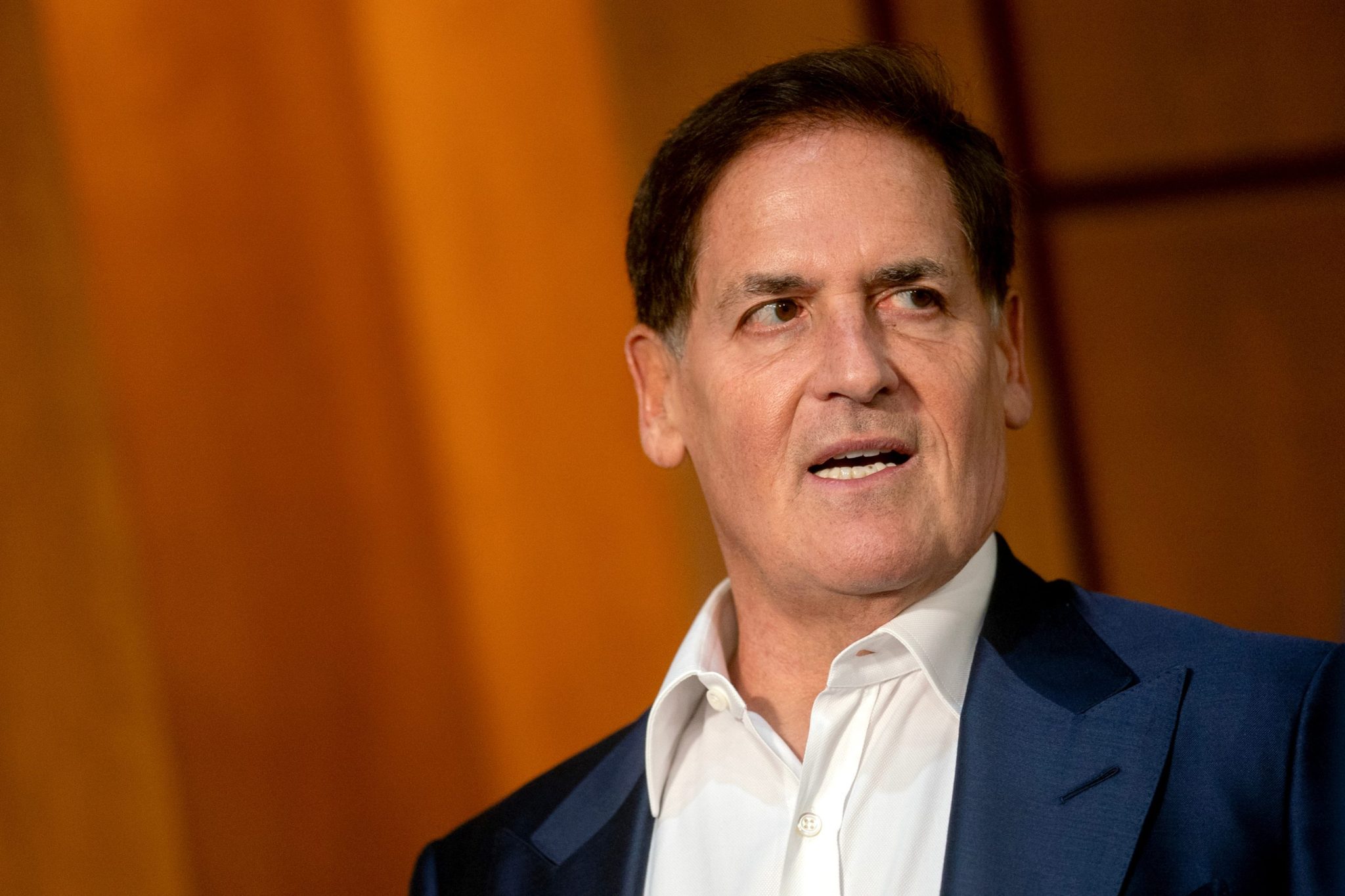
Mark Cuban, a prominent entrepreneur, proposes a novel approach to address America's widening wealth inequality: granting employees company stock instead of offering higher taxes. Cuban, who made his fortune through equity sales, believes this could narrow the income gap between the top and bottom earners. While implementing his idea would require Congress to pass legislation mandating corporate taxes on companies that fail to provide equity to their employees, the concept of expanding access to wealth-building tools is gaining traction.
Employee Stock Ownership Plans (ESOPs) have emerged as a popular method for private companies, driven by retiring baby boomers who wish to maintain their businesses independently without selling to private equity firms. The Senate recently passed two bills to incentivize ESOPs, with around 6,600 ESOPs covering approximately 15 million people in 2023. The federal government has provided tax incentives for employee ownership since the 1970s, aiming to bolster retirement assets for working Americans.
Despite their complexities and costs, ESOPs have been proven effective, with voluntary quit rates roughly one-third of the national average and workers retiring with more than double the savings compared to non-ESOP counterparts. However, the challenges associated with ESOPs, including high expenses and maintenance issues, have limited their widespread adoption.
To further democratize access to wealth-building tools, Cuban suggests the concept of "Trump Accounts." These tax-deferred accounts, funded with $1,000 per child born during Trump's second term, have been opened for over 7 million children since their inception. High-profile figures like Michael Dell and Ray Dalio have contributed to these accounts to help lower-income families fund them for older children.
While pay-transparency laws and talent shortages can foster more equitable conditions for employees, the wealth gap between the top and bottom earners remains persistent.
Written by urgent.news from Fortune's reporting — not their text. Machine-written — may contain errors; check the original before relying on it.