Mara Glennie calls for survivor inclusion in GBV decision-making
Mara Glennie, founder of the TEARS Foundation, urges organisations to include survivors in decision-making processes to effectively combat gender-based violence, following her recognition during Women's Month.
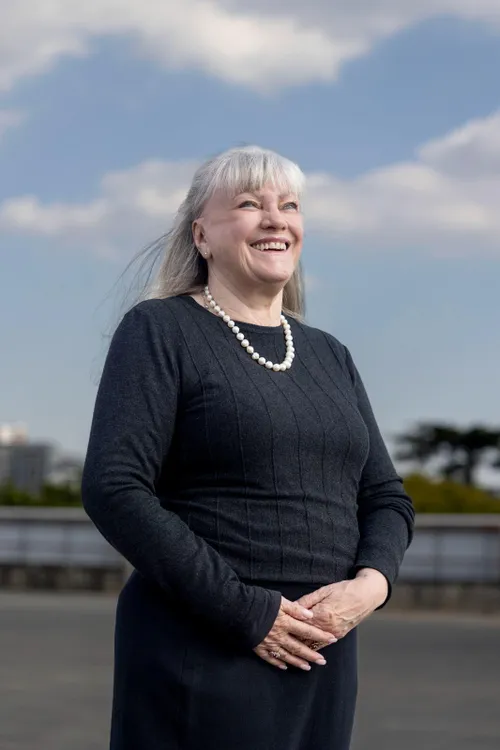
Mara Glennie, founder of the TEARS Foundation, is urging front-line services dealing with gender-based violence (GBV) to ensure survivors and those with lived experience are permanently included in decision-making processes. This call came during Women's Month when Glennie received recognition for her work. She argues that while professional qualifications are valuable, they cannot replace the practical knowledge gained through surviving abuse.
Glennie emphasizes that survivors understand the daily fear of control, isolation, and self-doubt that textbooks cannot recreate. She advocates for survivors to be recruited into frontline teams, policy discussions, training frameworks, referral systems, and service design. However, she stresses these individuals must be supported, fairly compensated, and protected from retraumatization.
Glennie explains that lived experience offers insights into subtle dynamics, such as why victims may return to abusive partners or how digital surveillance affects risk. She notes that while training provides technical knowledge, lived experience brings knowledge that costs dearly. Glennie founded the TEARS Foundation in 2012 after surviving a life-threatening assault, which has since helped over 750,000 callers through its helpline and USSD service.
She acknowledges that while recognizing GBV and femicide as a national disaster is crucial, it is not enough. Services must be designed with survivors in mind, taking into account their fears, exhaustion, isolation, and the survival decisions they must make under pressure. Glennie concludes by calling for an end to symbolic inclusion, urging public institutions to appoint survivors to strategic roles, involve them in policy design, ensure trauma-informed support and fair compensation, and measure success based on whether survivors feel safe and believed.
Written by urgent.news from IOL's reporting — not their text. Machine-written — may contain errors; check the original before relying on it.