Japanese automakers seen facing blow from Trump’s Canada tariff hike
The controversial 50% tariff is expected to apply even to vehicles and parts that meet USMCA requirements.
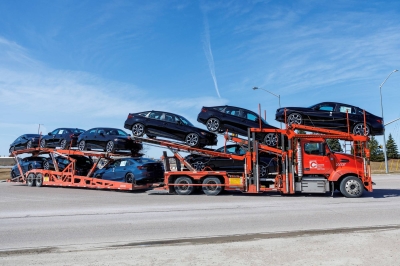
U.S. President Donald Trump has announced a proposed 50% tariff on Canadian automobiles and auto parts, set to take effect on January 1, 2027. This move is expected to significantly impact Japanese automakers, which have established extensive production and supply chains across the United States, Canada, and Mexico under the USMCA free trade agreement.
While the USMCA exempts qualifying goods from tariffs, a review of the agreement, initiated in July 2020, has been ongoing, and deteriorating U.S.-Canada relations add to the complexity. Toyota, Honda, and other Japanese automakers have plants in Canada that export vehicles and parts to the U.S., with Toyota alone exporting 300,000 units annually.
Despite the current 25% tariff on vehicle imports from Canada, Japanese automakers are facing a challenging financial situation. The anticipated tariff hike to 50% would make operations in Canada unsustainable, according to an executive at one Japanese automaker. The combination of the high tariffs and strained U.S.-Canada relations could hinder the review of the USMCA, complicating efforts to restructure supply chains.
Written by urgent.news from Japan Times's reporting — not their text. Machine-written — may contain errors; check the original before relying on it.