Japan to end subsidies for solar panels
Installation costs will remain eligible for aid in principle, according to sources familiar with the matter.
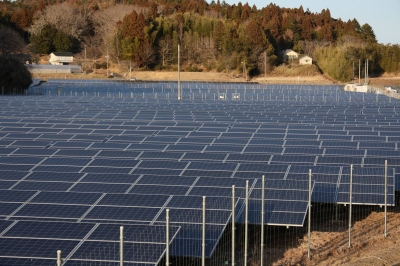
Japan is set to end subsidies for solar panels under its financial aid program to promote photovoltaic power generation systems, sources indicate. The decision comes as prices of solar panels continue to drop, prompting the government to reevaluate its support measures. Starting in fiscal 2027, subsidies will no longer be provided for newly purchased solar panels, although installation costs will still qualify for aid. Existing solar power projects will continue to receive subsidies.
The Environment Ministry aims to shift its focus towards the development and promotion of perovskite solar cells, emphasizing domestic production of these key materials. This strategic pivot is part of broader efforts to bolster Japan's industrial competitiveness in the renewable energy sector. The ministry anticipates requesting ¥28 billion in related funds from the government's budget for fiscal 2027, a significant increase from the current allocation.
Subsidies for solar panel installations, typically provided for locations like parking lots and farmland, have faced criticism for limited benefits to domestic industries. With China dominating the global market for conventional solar panels and Japan dependent on imports, the cost advantage of domestic production is becoming increasingly compelling. Prices of traditional solar panels have fallen approximately 50% since their peak, driven by global production advances.
Japan's position as the second-largest producer of iodine, essential for perovskite solar cell manufacturing, provides a potential advantage. The government targets 20 gigawatts of power generation from perovskite solar cells by 2040, a level comparable to the output of 40 nuclear reactors. Concerns over large-scale solar projects' environmental impact and vulnerability to natural disasters have spurred the ministry's push for safer, more community-friendly renewable energy solutions.
Written by urgent.news from Japan Times's reporting — not their text. Machine-written — may contain errors; check the original before relying on it.