Iraq and Lebanon faced the same homegrown challenges. Now they must rise together or fall one last time
If there are two countries in the Middle East that are similarly entangled in the same problems and promises, they would be without a doubt Iraq and Lebanon. I have lived in both places and witnessed first-hand the astonishing similarities in their poor governance, to say the least: two nations rich in history and culture, strategically located, with enormous potential, wasting decades because of…
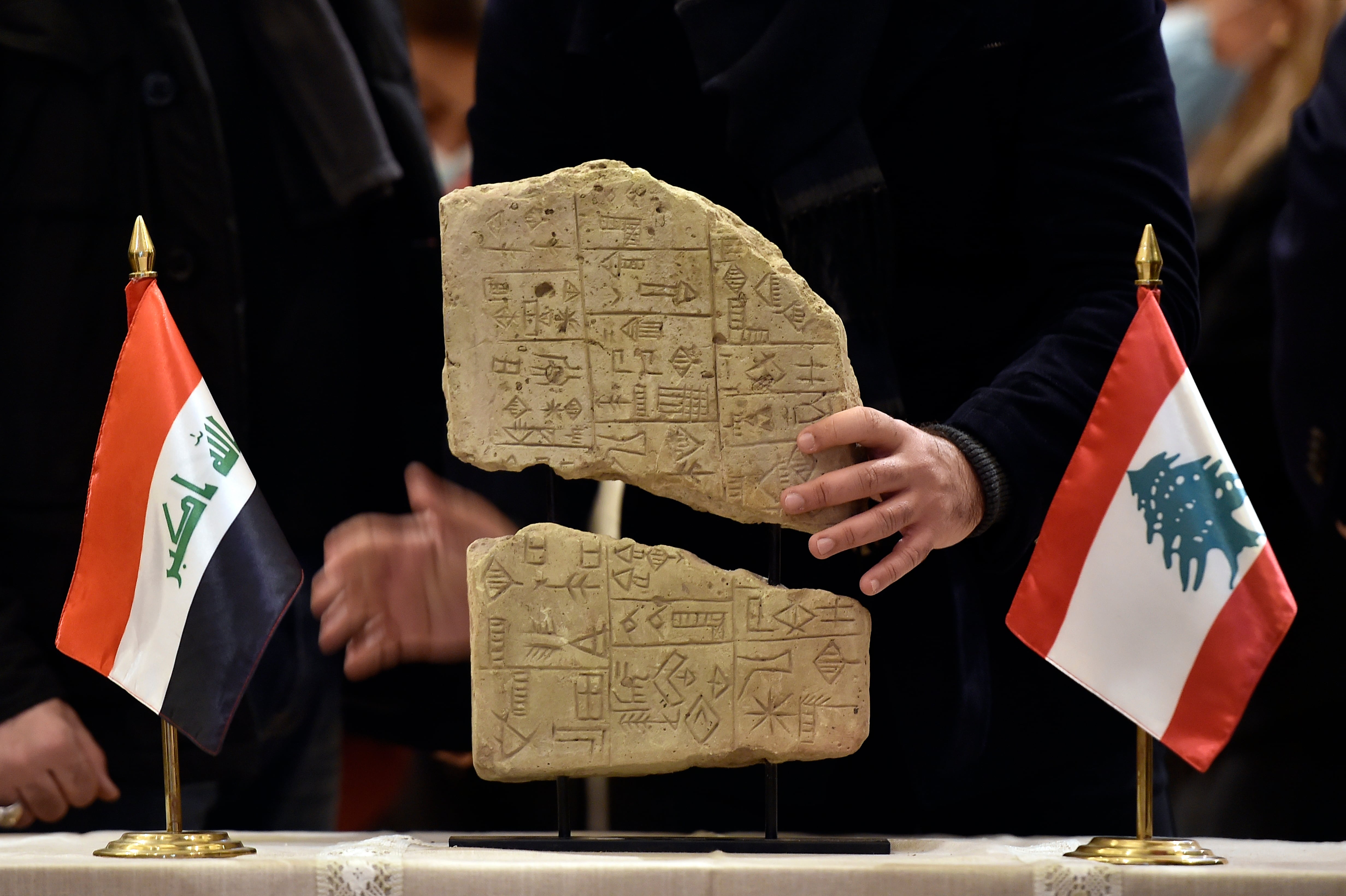
Iraq and Lebanon share striking similarities in their governance issues, including poor management, sectarianism, geopolitical rivalries, external alliances, and corruption. These challenges have plagued both nations for decades, hindering their progress and development. Now, as the Middle East strives for prosperity and self-reliance over narrow interests, these two countries find themselves in the same predicament once again.
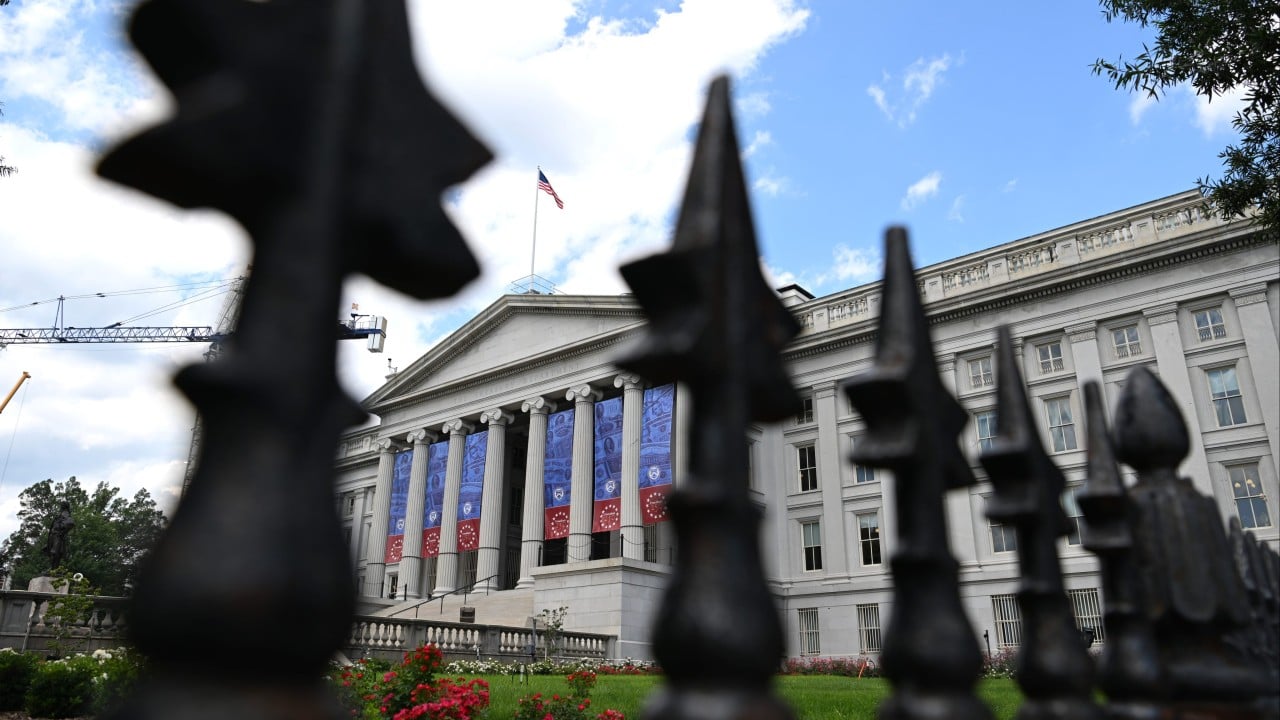
Both Iraq and Lebanon have long been influenced by foreign powers, particularly Iran, which has exacerbated their internal conflicts and weakened their ability to address their internal challenges. The US, under a strategic objective to curb Iran's influence and dismantle its regional power networks, has put pressure on Iraq and Lebanon to tackle these long-standing issues.
In Iraq, Prime Minister Ali Al Zaidi has made disarmament of influential militias and tackling corruption a priority. His efforts to recover stolen assets and set important precedents demonstrate a commitment to addressing these problems. Similarly, Lebanon has appointed a president and government focused on ending the presence of armed groups outside the state's authority and tackling a corrupt financial and political system.
Both nations are navigating the US's growing role in their governance, with the US exerting pressure and close supervision over various aspects of their administration. While the US motivations may be multifaceted, the resulting window of opportunity presents a chance for Iraq and Lebanon to make significant strides in resolving their shared challenges.
However, the road ahead is fraught with risks. Both countries must navigate the possibility of another civil war or the slow, arduous task of dismantling deeply entrenched sectarianism within their institutions. Despite these difficulties, the situation in Iraq and Lebanon suggests that they are inching towards a fundamental solution, albeit driven by external pressures and for other strategic reasons.
The consequences of inaction or failure to address these issues could be catastrophic, ranging from further civil unrest to an extended period of stagnation, with the potential to mirror their previous four decades of decline. The fates of Iraq and Lebanon are intertwined, and their ability to overcome these challenges will have far-reaching implications for the entire Middle East region.
Written by urgent.news from The National Business's reporting — not their text. Machine-written — may contain errors; check the original before relying on it.
This story
This is one outlet's version. Read the fullest account.