Iraq and Lebanon faced the same homegrown challenges. Now they must rise together or fall one last time
If there are two countries in the Middle East that are similarly entangled in the same problems and promises, they would be without a doubt Iraq and Lebanon. I have lived in both places and witnessed first-hand the astonishing similarities in their poor governance, to say the least: two nations rich in history and culture, strategically located, with enormous potential, wasting decades because of…
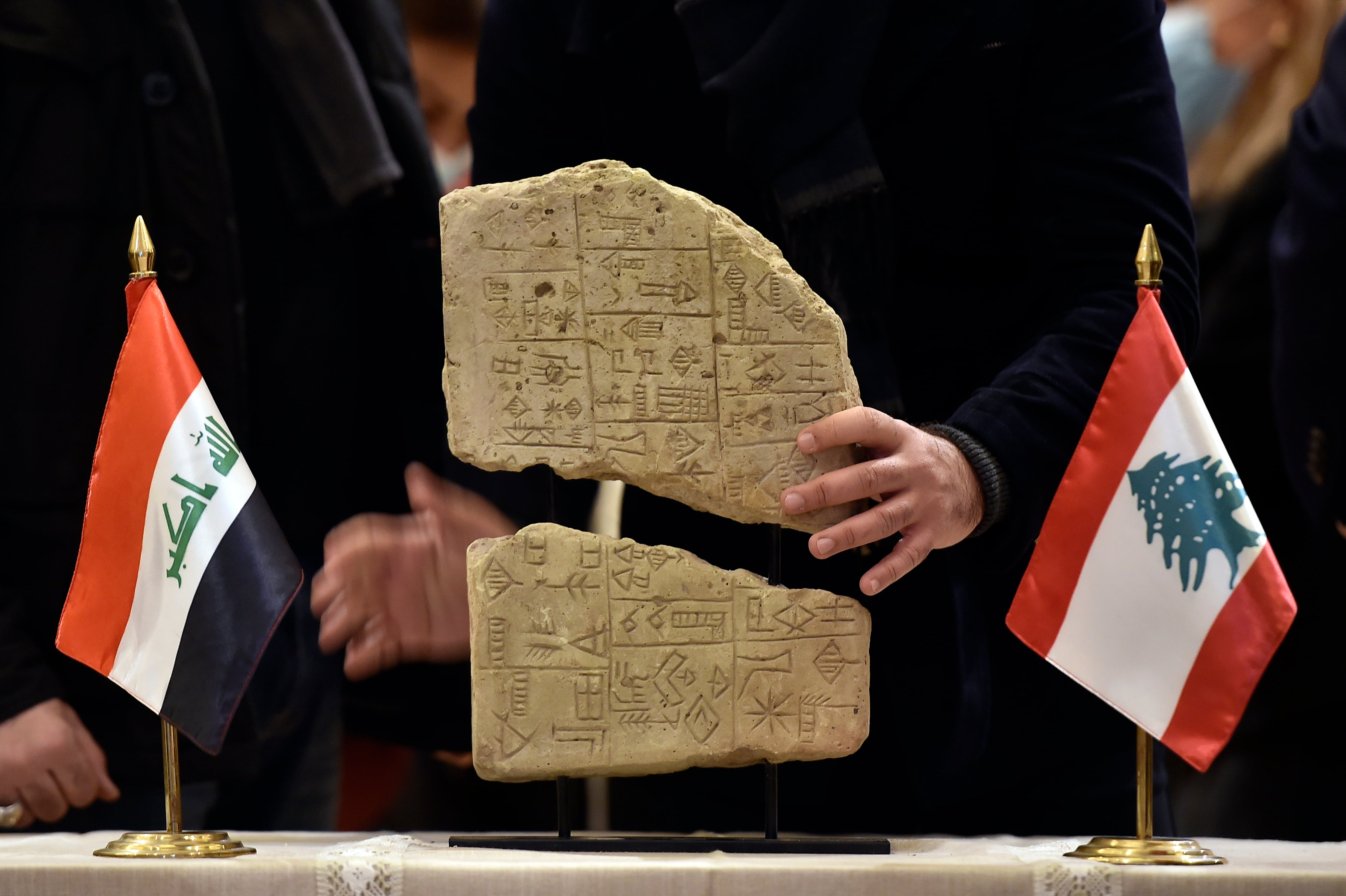
Iraq and Lebanon share a history of facing similar challenges, having grappled with poor governance, sectarianism, corruption, and external allegiances for decades. These issues have not only hindered their progress but have also had a ripple effect on their neighboring countries. Both nations possess immense historical and cultural richness, and possess significant potential, yet decades have been wasted due to mismanagement and corrupt practices.
As the Middle East seeks to prioritize prosperity and prosperity over narrow interests, Iraq and Lebanon find themselves in a similar predicament once again.
The time has arrived for these countries to transcend foreign allegiances, particularly with Iran, dismantle the state-within-a-state phenomenon, and confront corruption head-on. However, the choice is no longer theirs to make; the problems of Iraq and Lebanon have spilled over their borders, and there is little hope for other countries to engage in trade, invest, or provide substantial support unless these challenges are addressed.
The recent Iran war has altered the strategic calculus, with the United States taking the lead in pressuring both Iraq and Lebanon to tackle these long-standing issues, with the primary objective of curbing Tehran's influence and dismantling the networks that enable its power projection throughout the region.
Iraqi Prime Minister Ali Al Zaidi has made the disarmament of influential militias, groups that have exacerbated sectarianism, corruption, and the state-within-a-state model, a central focus of his administration. He has also made strides in combating corruption, recovering millions in stolen assets, and setting important precedents.
Lebanon, too, now has a president and government with an agenda centered around addressing the same issues. They aim to restore the state's monopoly on arms, eliminate armed groups operating outside its authority, and tackle a corrupt financial and political system that has led to the bankruptcy of the state and the devastation of many citizens' dreams.
Both nations are navigating these challenges under intense US pressure and supervision. Washington's involvement has occasionally extended to specific governance aspects, such as overseeing Lebanon's electricity sector and scrutinizing appointments in sensitive state institutions. As Iraq takes steps to hold suspected thieves accountable and challenge the power of armed factions, Lebanon has also begun its path, albeit cautiously, in a similar direction.
Lebanon's history includes a landmark agreement in 1989, signed by warlords and politicians, to end the civil war and establish a regime based on sectarianism, which has resulted in a governance model that divides fortunes and businesses among sects and warlords. The consequences of this model have been dire, as Lebanon has lost its brightest minds and its confidence in a stable future, with many services remaining unresolved to benefit those in power.
Written by urgent.news from The National UAE's reporting — not their text. Machine-written — may contain errors; check the original before relying on it.