Integrated command centres planned in border areas as India upgrades land-border management
The “smart border” architecture will integrate artificial intelligence, sensors, surveillance systems and unified command-and-control centres to strengthen border security and enable faster responses to threats, says official
The Ministry of Home Affairs is constructing a technology-driven command-and-control system for India's land borders, according to a senior government official. This initiative, part of a new border management policy, aims to bolster monitoring and response capabilities in border regions where physical fencing is impractical, such as the 3,488-kilometer border with China. A pilot project will commence soon at the Pakistan border, the official further disclosed.
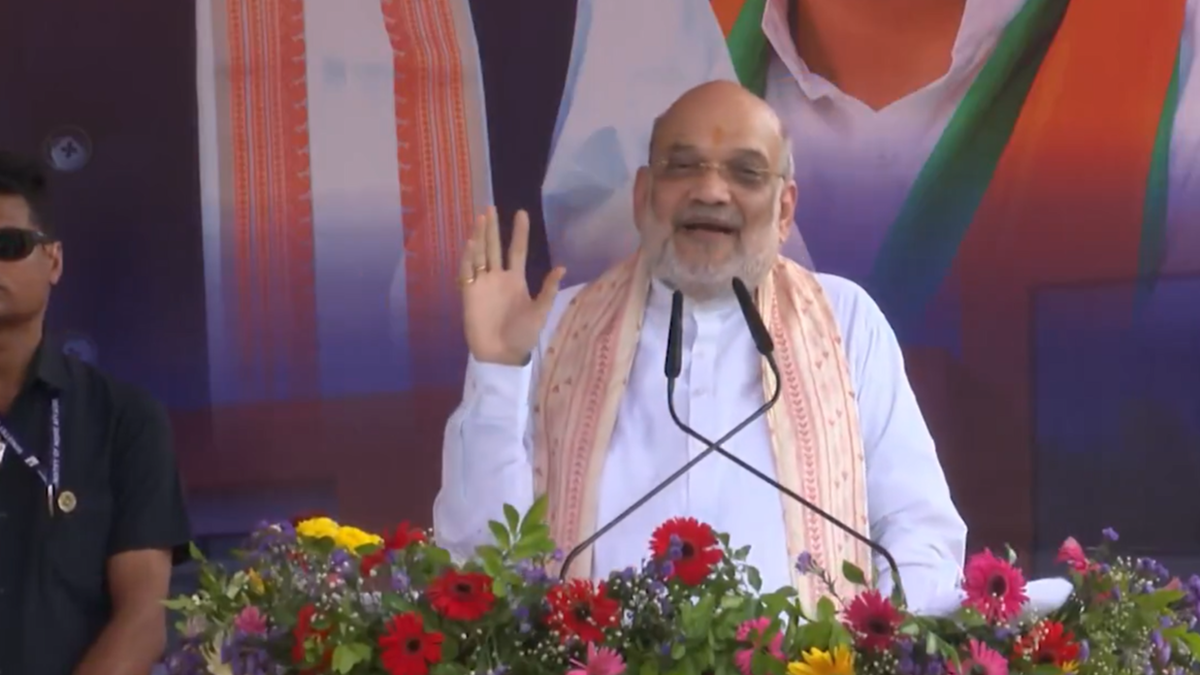
The four-pronged border security strategy proposed by Home Minister Amit Shah involves border guarding forces, local population, State police, and technological solutions. The plan includes establishing numerous small command centres along the land borders, which will be interconnected with the field headquarters and the Delhi headquarters. The real-time feed will empower border guarding forces to monitor and conserve resources, diminishing the necessity for extensive physical patrolling.
The proposed "smart border" architecture for all of India's land frontiers will incorporate artificial intelligence, sensors, surveillance systems, and unified command-and-control centres. This will enhance border security and facilitate swifter responses to threats. India shares a 15,106.7-kilometer land border with seven nations.
The framework is designed to amalgamate surveillance inputs from various technologies, including cameras, sensors, image-processing tools, drones, and other monitoring systems, to construct a unified operational picture for agencies stationed along India's borders.
The system is envisioned as an integrated platform where data acquired on the ground can be transmitted promptly to command-and-control centres, enabling authorities to respond more proficiently to infiltration attempts, smuggling networks, and other security concerns. A significant focus area, particularly along the Pakistan border, is countering the escalating drone menace, which poses threats regarding smuggling and reconnaissance.
Border-management technologies will be tailored to local circumstances rather than deployed uniformly. India's land borders traverse deserts, mountains, riverine stretches, forests, and densely populated areas, necessitating bespoke solutions for diverse terrains and operational requisites. The official emphasized, "No two borders are identical.
Similar to the China border, which cannot be fenced, there are riverine stretches along the Bangladesh border, which are susceptible to flooding. We are transitioning towards a concept where physical presence is not invariably essential."
On July 9, Home Minister Amit Shah inaugurated the inaugural Land Border Districts' Superintendents of Police Conference-2026. The conference convened Superintendents of Police (SPs) from 119 border districts in 17 states and union territories sharing land borders with Pakistan, Nepal, Bangladesh, Bhutan, China, and Myanmar. The states were instructed to submit their proposals by December, and the quadrangular security grid, which entails border communities and local police, will be finalized within the next 1.5 years.
Written by urgent.news from The Hindu's reporting — not their text. Machine-written — may contain errors; check the original before relying on it.
This story
This is one outlet's version. Read the fullest account.