Institutional integrity and the universal imperative of due process — Steven Thiru
AUGUST 26 — “There is no doubt that one of the virtues of procedurally fair decision making is that it is li...
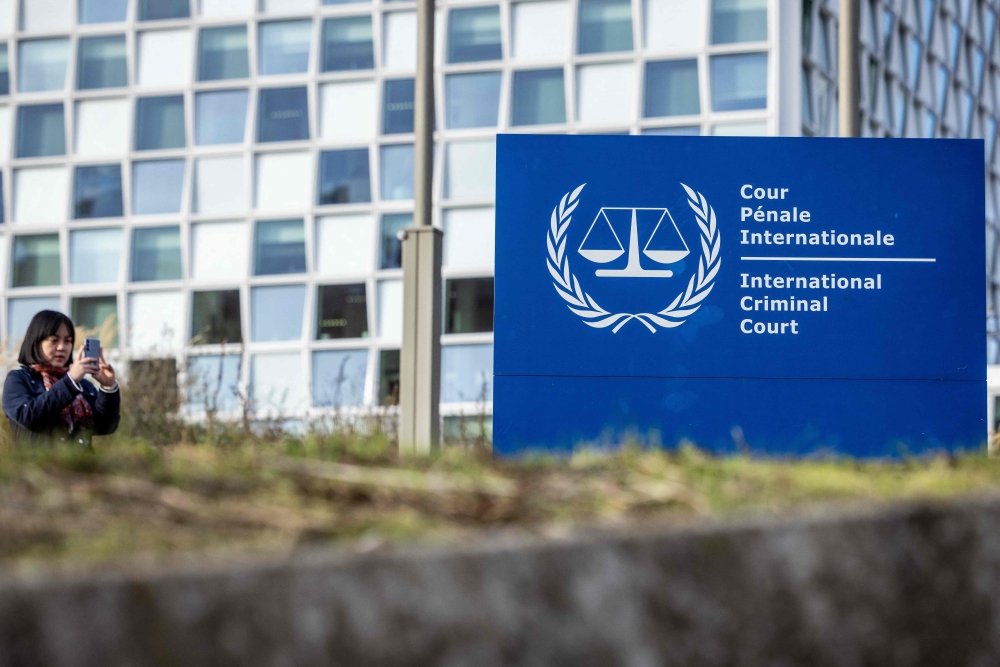
August 26 — Procedural fairness has long been recognized as a crucial component of sound decision making, whether by courts, administrative tribunals, committees or international institutions. Lord Reed, speaking in R (Osborn) v Parole Board [2013] UKSC 61, observed that justice requires a procedure that respects the rights of those affected.
Due process, as examined in this story, goes beyond a mere technicality. It ensures decisions are rational, lawful and just. When institutions fail to uphold these principles, they risk flawed outcomes and cause significant harm to those affected. The duty to act fairly applies to a broad range of bodies, from workplace disciplinary hearings to proceedings before international courts.
The universal principles of due process have been challenged in the handling of serious misconduct allegations against ICC Prosecutor Karim Khan. His case has been under investigation for nearly two years, during which time procedural issues have come under scrutiny. The investigation began with the ICC’s Independent Oversight Mechanism, but was later referred to the UN Office of Internal Oversight Services following decisions by the Assembly of States Parties.
During the proceedings, questions arose about the identity of the official involved, amendments to procedural rules made by the Assembly, and whether these changes were appropriate. An ad hoc panel of judicial experts ultimately concluded that there was insufficient evidence to establish misconduct, but the Bureau of the Assembly nevertheless decided to proceed with the disciplinary process.
Karim Khan was suspended on June 8, 2026, and a full plenary of the Assembly was convened on July 24, 2026, to determine whether he should be removed from office under Article 46 of the Rome Statute. The outcome, reached by an affirmative vote of 82 States Parties, made Karim Khan the first Prosecutor of the ICC to be removed from office.
While some argue the process strengthened public confidence, others maintain that political considerations may have influenced the outcome. Regardless, the proceedings have raised important questions about the relationship between legal process, institutional governance and political accountability within the ICC.
Written by urgent.news from Malay Mail's reporting — not their text. Machine-written — may contain errors; check the original before relying on it.