How pressure and months of stalling finally brought about the SDF’s dissolution in Syria
The writing has been on the wall for Syria 's armed Kurds since early 2025 as the US, once their close ally, forged ties with its rivals in the Syrian government. In March 2025, Washington pressured the Syrian Democratic Forces, the mostly Kurdish militia set up in 2015, to sign an integration deal with President Ahmad Al Shara. A community that was on the political ascendancy during Syria's…
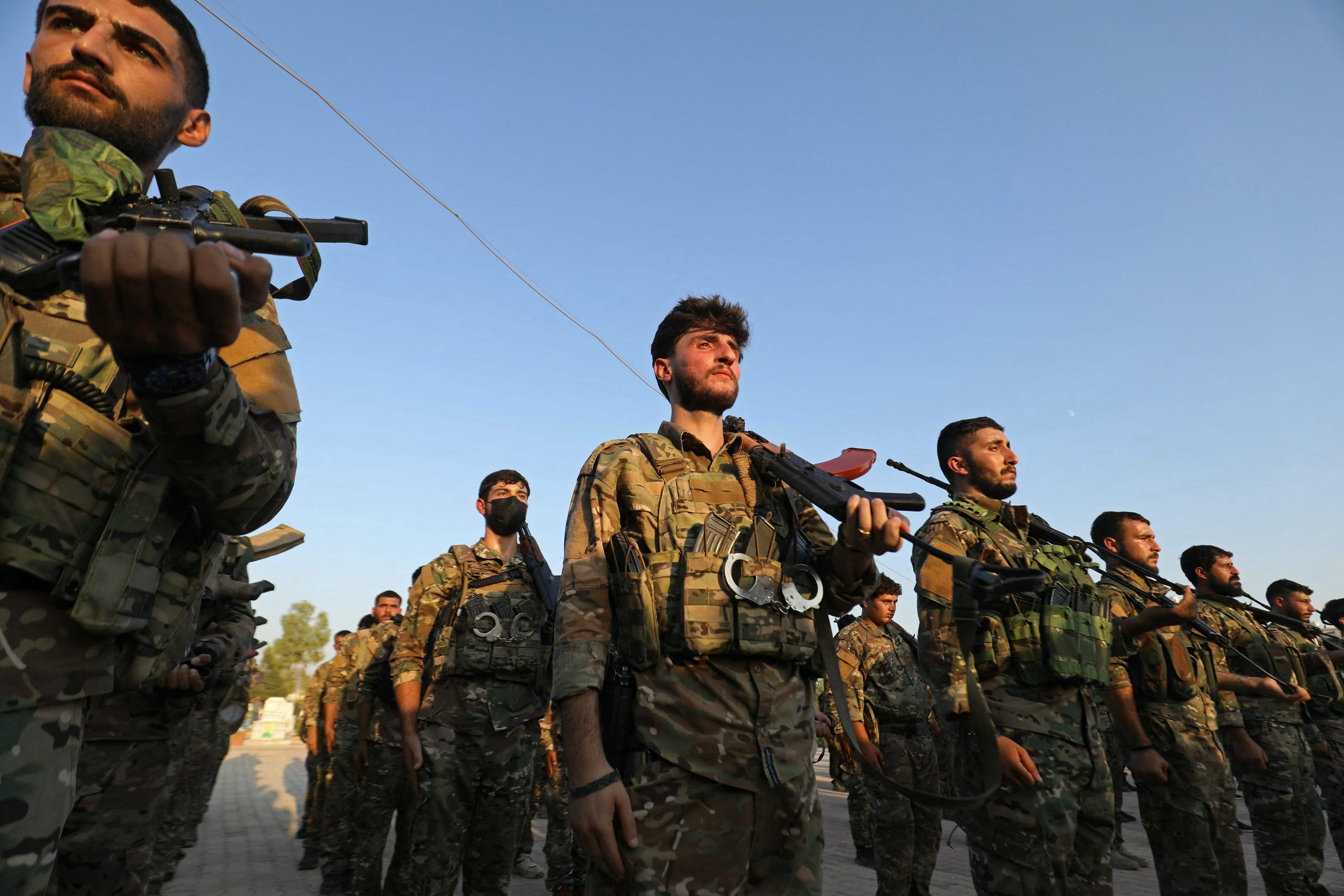
From early 2025, the US, once a close ally of Syria's armed Kurds, forged ties with the Syrian government, putting pressure on the Syrian Democratic Forces (SDF), a mostly Kurdish militia established in 2015. In March 2025, Washington urged the SDF to sign an integration deal with President Ahmad Al Shara. The integration, which saw SDF fighters merge into the regular Syrian security forces, was completed according to SDF leader Mazloum Abdi.
However, it was only on Tuesday that Abdi officially announced the SDF's dissolution, ending the aspirations of supporters and other Kurds for autonomy. Abdi admitted he only realized the political game was over when it was too late. Despite the US's initial support, the integration deal was vague and failed to address the SDF's demand for federalism.
Two months later, in July 2024, the SDF retreated to Kurdish areas in the northeast, relinquishing most of its territorial gains in the Euphrates Valley, which includes most of Syria's oil, gas, commodities, and power production. The SDF, though comprising mostly Kurdish militias, is not solely Kurdish, and many of its members defected or left after a government military sweep stripped them of their territorial gains.
Turkey, with tacit approval from Washington, supported the campaign, playing a major role in ensuring a relatively peaceful outcome.
Written by urgent.news from The National Business's reporting — not their text. Machine-written — may contain errors; check the original before relying on it.
Also reported by 1 other outlet
- The SDF's dissolution is a historic moment for Syria thenationalnews.com