H1N1 surge: IMA urges caution, warns against self-medication with antibiotics and antivirals
The IMA advised people to follow preventive measures including frequent handwashing with soap and water for at least 20 seconds or using an alcohol-based hand sanitiser
The Indian Medical Association (IMA) warned the public on August 26, 2026, about the seasonal rise in Influenza A (H1N1), commonly known as swine flu, during monsoon season, and cautioned against self-medicating with antibiotics and antivirals. India is experiencing an increase in H1N1 cases, with Delhi reporting over 1,770 laboratory-confirmed cases, alongside instances in Maharashtra, Karnataka, and West Bengal.
The IMA noted that no novel genetic mutations have been detected in the circulating virus, which remains seasonal Influenza A (H1N1).
The association emphasized that the majority of H1N1 cases are mild and self-limiting. Symptoms include sudden onset of high fever, persistent dry cough, sore throat, severe muscle aches, fatigue, headache, runny or congested nose, and sometimes nausea, vomiting, or loose stools in children. They stressed that antibiotics are ineffective against viruses and could lead to Antimicrobial Resistance (AMR) if used indiscriminately.
Azithromycin, Amoxicillin-Clavulanate, Cefixime, and other antibiotics should not be consumed for flu symptoms.
Antiviral medication, such as Oseltamivir, should only be used under medical supervision for specific clinical categories. The IMA listed several warning signs requiring immediate emergency medical attention, including difficulty breathing, shortness of breath, chest pain, bluish discoloration of the lips or fingers, coughing up blood, drowsiness, confusion, seizures, persistent vomiting, inability to tolerate oral fluids, and inability to feed in children.
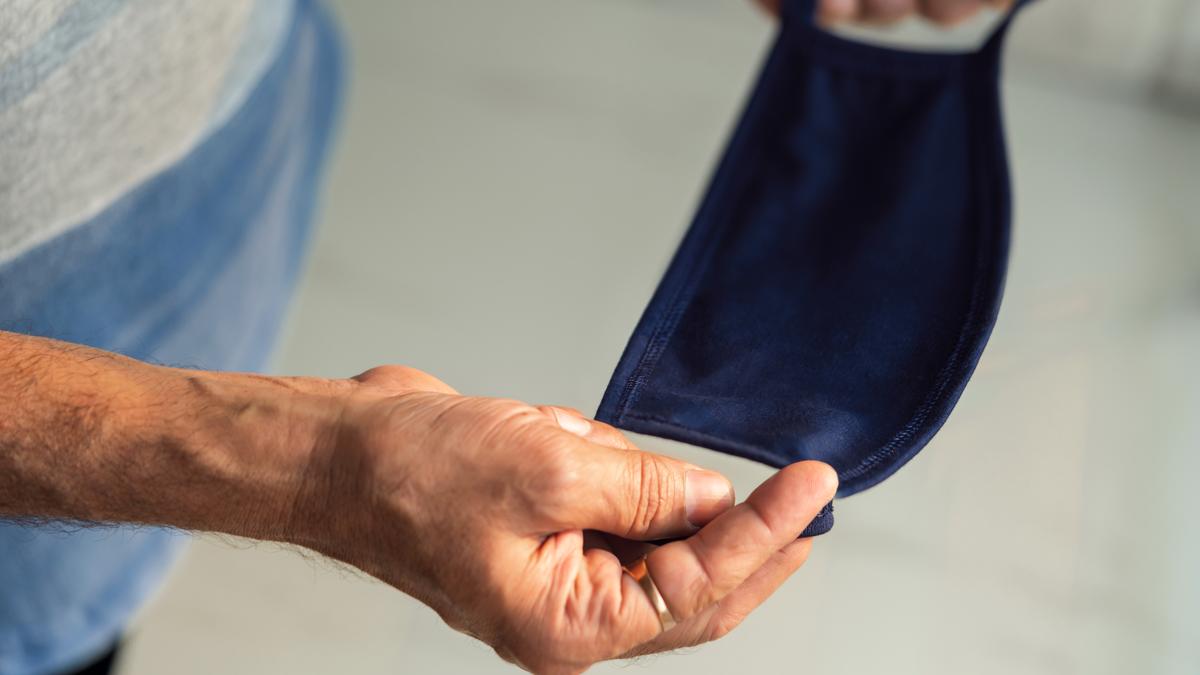
To prevent infection, the IMA advised frequent handwashing for at least 20 seconds or using alcohol-based hand sanitiser, covering the mouth and nose while coughing or sneezing, wearing a well-fitted mask in crowded areas, and staying home when sick for at least 24 hours after fever has resolved without fever-reducing medications. They also recommended annual seasonal influenza vaccination for healthcare workers, pregnant women, the elderly, and individuals with chronic medical conditions.
Written by urgent.news from The Hindu Health's reporting — not their text. Machine-written — may contain errors; check the original before relying on it.